How to Prune Cushion spurge?
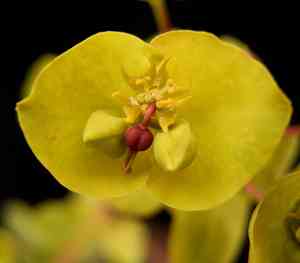
Cushion spurge, a perennial featuring brilliant chartreuse blossoms, introduces a splash of springtime hue to landscapes. Trimming is recommended in late spring, following the flowering period, to preserve its form and inhibit self-propagation. Removing spent blooms fosters a neat look and could extend the flowering duration. During autumn, reduce the foliage to stimulate robust development for the subsequent season. Maintaining cushion spurge through pruning is advantageous for managing its dimensions, fostering fresh development, and averting undesirable dissemination.
What Are the Benefits of Pruning Cushion Spurge?
What Are the Benefits of Pruning Cushion Spurge?
Cushion spurge greatly benefits from trimming, as it promotes abundant flowering while maintaining lively growth. Pruning helps cushion spurge stay compact and structured, preventing excessive growth that could diminish its aesthetic appeal.
What Is the Best Time for Pruning Cushion Spurge?
What Is the Best Time for Pruning Cushion Spurge?
Pruning cushion spurge in the Spring is optimal as it stimulates robust growth and aids in preserving an attractive form. It also enables gardeners to remove any winter damage and encourage new shoots. Furthermore, deadheading spent blooms during this period fosters a healthier plant with potential for additional flowering. Autumn pruning is beneficial as it prepares cushion spurge for dormancy by eliminating any weak or diseased stems, which might otherwise harbor pests and diseases throughout the winter months. Pruning in Summer is not advised as it can stress the plant during its peak growing season and reduce its resilience for the upcoming winter.
What Tools Do I Need to Prune Cushion Spurge?
Bypass Pruners
Perfect for making neat and accurate cuts on cushion spurge, bypass pruners are well-suited for snipping off old flower stalks and shaping the plant without crushing its stems.
Gardening Gloves
Given that cushion spurge contains a milky sap that can irritate skin, wearing gloves will safeguard the gardenerâs hands during pruning.
Long-Sleeved Clothing
To avoid any potential skin irritation from the sap of cushion spurge, itâs wise to wear long-sleeved attire as an extra protective measure.
Garden Shears
Useful for trimming larger areas and soft foliage of cushion spurge when shaping is needed or to remove significant plant material during seasonal pruning.
Pruning Saw
If cushion spurge has any larger, woody stems requiring removal, a pruning saw can execute these tougher cuts smoothly and effectively.
How to Prune Cushion Spurge
Clean And Prepare Tools
Sanitize pruning tools using a solution of 1 part bleach to 9 parts water to prevent disease spread when trimming cushion spurge.
Remove Diseased Leaves
Carefully remove any leaves showing signs of illness from cushion spurge using pruning shears, ensuring cuts are made at the base of the problematic leaf to avoid leaving stubs that can harbor pests or diseases.
Trim Withered Leaves
Identify and cut away dried or yellowing leaves from cushion spurge to encourage healthy growth and improve air circulation. Make cuts close to the base, but be careful not to harm new shoots or stems.
Deadhead Withered Flower
Deadhead spent flowers on cushion spurge to promote a tidier appearance and potentially extend blooming. Snip the withered flower stems close to the base but above new lateral flower buds if present.
Dispose Of Trimmed Material
Discard the trimmed diseased leaves, withered leaves, and dead flowers in a bin or compost away from cushion spurge to minimize the risk of infection or unwanted pests.
Common Pruning Mistakes with Cushion Spurge
Overpruning
Beginner gardeners might remove too much foliage, potentially weakening cushion spurge and reducing its vitality.
Improper Cut Location
Cutting too far from a bud can leave a stem stub vulnerable to pests and diseases. Conversely, cutting too close can damage the bud.
Using Dull Tools
Blunt pruning tools can cause jagged cuts that serve as entry points for disease, rather than clean cuts that heal quickly.
Neglecting Tool Hygiene
Failing to clean and disinfect tools before use can facilitate the spread of diseases between plants.
Ignoring Plant Shape
Lack of attention to the natural form of cushion spurge can result in an unattractive plant after pruning.
Common Pruning Tips for Cushion Spurge
Clean Cuts
Making precise cuts just above outward-facing buds promotes healthy regrowth in the desired direction.
Tool Selection
Choose sharp, appropriately sized pruning tools for accurate cuts to ensure minimal harm to cushion spurge.
Growth Monitoring
Observe cushion spurge's growth to determine when selective thinning might be necessary to enhance air circulation.
Prevent Overcrowding
Thin out congested stems to prevent competition for resources, reducing the risk of stress and disease in cushion spurge.
Post Bloom Care
After cushion spurge has flowered, remove spent blooms to maintain a neat appearance and possibly encourage a second flush of flowers.
Safety First
Wear gloves and protective eyewear when pruning cushion spurge to guard against its sap, which can irritate skin and eyes.



