Enhancing Your Garden Design with the Cushion spurge Plant: A Landscaping Guide
1
Cushion spurge provides a distinct burst of color year-round, making it a superb option for diverse garden aesthetics.
2
Selecting an appropriate spot in your garden for Cushion spurge is vital for its best development and aesthetic impact.
3
Incorporating Cushion spurge into your garden can improve both structured and relaxed landscape layouts.
Appreciating the Visual Appeal of Cushion Spurge
What Makes Cushion Spurge Unique in Garden Design?
For injecting vivid color and distinct texture into your garden, Cushion spurge is a prime selection. Its abundant foliage and striking blossoms are ideal for establishing focal points or enhancing current garden features. Furthermore, Cushion spurge is renowned for its capacity to thrive in diverse settings, making it adaptable for numerous landscape designs. Whether you aim to introduce a fresh element to your formal garden or impart a whimsical touch to an informal cottage garden, Cushion spurge offers unparalleled visual interest.
Seasonal Transformations: Cushion Spurge's Continuous Visual Impact
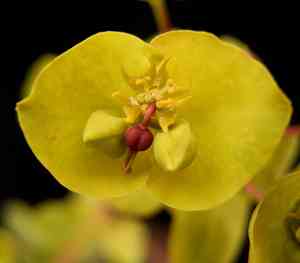
A key strength of Cushion spurge is its ability to provide year-round beauty. In spring and summer, its bright yellow-green buds offer a stunning contrast against verdant backdrops. As autumn arrives, the plant shifts to a brilliant golden shade, bringing warmth to the colder months. Even in winter, Cushion spurge's enduring structure and texture can serve as an architectural feature, providing visual appeal when most other plants have receded. With Cushion spurge, you are assured constant charm, regardless of the season.
Selecting the Ideal Spot for Cushion Spurge in Your Garden
Understanding Sunlight Requirements for Optimal Growth
Choosing the perfect location for Cushion spurge involves comprehending its light needs. Typically, Cushion spurge flourishes in full sun to partial shade. Ideally, you should plant it in an area that receives at least 4-6 hours of direct sunlight daily. If your garden is in a region with intense summer heat, providing some afternoon shade can help keep the plant cool and prevent scorching.
Soil Considerations: What Does Cushion Spurge Need to Thrive?
For Cushion spurge to prosper, it's crucial to plant it in well-draining soil. This plant does not tolerate waterlogged conditions, so ensure the soil has good drainage capabilities. Incorporating organic matter or compost can improve soil fertility and structure, providing Cushion spurge with the nutrients it requires for robust growth. If you're dealing with heavy clay soil, consider amending it with sand or perlite to enhance drainage.
Proximity to Other Plants: Complementary Planting Concepts
When planning your garden layout, consider complementary planting options for Cushion spurge. Its yellow-green hues blend beautifully with purple, blue, or red flowering plants. Think about pairing Cushion spurge with lavender or catmint for a lovely color contrast. Additionally, its compact form makes it an excellent border plant, neatly defining garden edges without overwhelming nearby species.
Integrating Cushion Spurge into Various Landscape Styles
How Cushion Spurge Enhances Formal Gardens
In formal garden settings, Cushion spurge can be utilized effectively due to its symmetrical shape and tidy growth habits. Employing geometric patterns and structured layouts, Cushion spurge can be planted in uniform rows or as part of manicured garden beds. Its bright coloration can create striking boundary lines or provide a vivid backdrop for other formally arranged plants.
Using Cushion Spurge in Informal/Cottage Garden Styles
Conversely, Cushion spurge can also excel in informal or cottage garden styles. Its airy, carefree appearance complements the more relaxed, eclectic arrangements typical of these gardens. Intermingle Cushion spurge with a mix of perennials and wildflowers to create a vibrant, textured landscape that feels both organic and charmingly haphazard.
Cushion Spurge in Modern Landscape Designs: A Daring Choice
For those favoring a contemporary landscape design, Cushion spurge can serve as a bold and exciting addition. Its unique form and bright color make it perfect for minimalist gardens focusing on clean lines and limited color palettes. Pair Cushion spurge with sleek hardscaping elements like concrete or metal to achieve a modern, stylish aesthetic.
Maintaining Cushion Spurge to Preserve Beauty and Health
Pruning Techniques for Form and Vigor
Pruning is vital for maintaining Cushion spurge's shape and overall health. Regularly trim any dead or damaged stems to encourage new growth and prevent disease. Early spring is the optimal time for heavier pruning, allowing the plant to recover and flourish throughout the growing season. Aim to create a balanced, attractive shape that complements your garden's overall design.
Seasonal Care Tips to Keep Cushion Spurge Thriving
Maintaining Cushion spurge through different seasons ensures it remains vibrant and healthy year-round. In the spring, apply a balanced fertilizer to encourage strong growth. During hot summer months, keep the soil moist but not waterlogged, and mulch around the base to retain moisture. In autumn, clear away any fallen leaves or debris to prevent rot, and consider applying a slow-release fertilizer to support winter resilience. In colder climates, protect the plant from frost by covering it with a light mulch or gardening fabric.
Creative Projects Featuring Cushion Spurge
DIY Landscape Features Incorporating Cushion Spurge
Incorporating Cushion spurge into DIY landscape projects can add a personal touch to your garden. Consider creating mixed borders, combining Cushion spurge with other perennials for a dynamic and colorful display. Another idea is designing a rock garden where Cushion spurge can stand out against stones and gravel, bringing life to otherwise static elements. Raised garden beds or container gardens are also excellent options for showcasing Cushion spurge while making maintenance easier.
Combining Cushion Spurge with Hardscaping Elements
Hardscaping elements like pathways, walls, and patios can be beautifully enhanced with Cushion spurge. Use this plant along the edges of walkways to soften hard lines and add color. Positioning Cushion spurge near garden structures like gazebos or pergolas can create a lush, welcoming atmosphere. Its vibrant hues can also add a pop of color to otherwise monochromatic hardscaping elements, offering a balanced and harmonious garden aesthetic.



