How Much Sunlight Do Japanese persimmon Need?
1
Japanese persimmons require a minimum of 6 hours of direct sun each day to achieve peak development and fruit bearing.
2
Japanese persimmon trees can endure partial sun, though this might diminish both the quantity and caliber of their fruit.
3
Varying sunlight levels across seasons may necessitate relocating the plant or offering cover when needed.
Optimal Light Conditions for Japanese Persimmon
Full Sun vs. Partial Sun
Achieving robust growth for your Japanese persimmon tree largely depends on adequate light. This plant ideally prefers full sun, meaning it flourishes with at least six hours of direct sunlight daily. This intensity promotes vigorous development and an abundant harvest of sweet, flavorful fruits. While partial sun (3-6 hours of light) is tolerable, it often results in less energetic growth and diminished fruit yield. For maximum fruit production, full sun exposure is highly recommended.
Seasonal Light Fluctuations
The amount of light your Japanese persimmon receives varies significantly throughout the year. Spring and summer typically offer extended daylight hours and higher sun angles. However, as autumn and winter arrive, days shorten, and the sun's lower position can create longer shadows. When selecting a planting site, consider these seasonal shifts. A tree that gets winter shade but full sun during its active growing season should still perform well. Pruning nearby trees or reconfiguring garden layouts can help ensure consistent light access year-round.
How to Guarantee Sufficient Light for Japanese Persimmon
Prime Planting Locations
Selecting the correct spot for your Japanese persimmon is crucial for it to obtain the necessary light. Seek areas in your garden unhindered by shade-casting structures like tall buildings, fences, or other trees. In the Northern Hemisphere, south-facing sites generally receive the most sun throughout the day. If your yard has limited sunlight, planting in a raised bed can sometimes elevate the tree above surrounding obstacles, increasing light exposure.
Managing Shade and Light
Dealing with shaded areas is sometimes unavoidable, especially in smaller gardens or urban settings. In these situations, effective shade management involves thoughtful planning. Employ reflective materials such as white gravel or garden mirrors to direct additional light onto your plant. This technique can significantly enhance light access for garden areas that typically remain in shadow. Furthermore, trimming back overhanging branches from adjacent trees can substantially increase the light reaching your Japanese persimmon.
Common Problems Related to Light Exposure in Japanese Persimmon
Indicators of Excessive Light
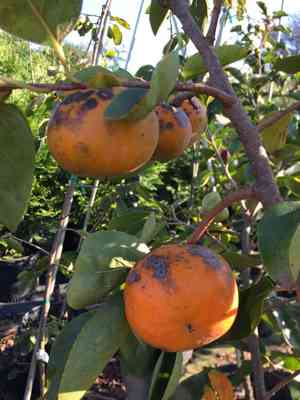
Just as inadequate light can be harmful, too much sun can also cause issues. Signs that your Japanese persimmon is receiving excessive light include leaf scorch, where foliage turns brown and crisp, particularly along the edges. You might also notice sunburn on the fruit, appearing as discolored patches on the skin. If these symptoms emerge, consider providing some afternoon shade using shade cloth or temporary screens, especially during the peak sunlight hours of mid-summer.
Indicators of Insufficient Light
Conversely, a lack of adequate light can hinder the growth and fruiting capacity of your Japanese persimmon. Symptoms of insufficient light include elongated, sparse growth (legginess) and a reduction in flowering and fruit development. Leaves may also appear smaller and a darker green than normal. If you observe these signs, consider relocating your tree to a brighter area or utilizing reflective materials, as previously discussed, to boost light exposure.
Additional Advice for Maximizing Light Exposure
Utilizing Reflective Surfaces
Reflective materials can be transformative in gardens with limited natural light. By strategically placing white gravel or mirrors around your Japanese persimmon, you can augment the amount of light it receives. These surfaces redirect sunlight towards the tree, boosting overall light availability. This approach is especially valuable in city gardens or confined spaces where buildings or walls may obstruct sunlight.
Pruning for Enhanced Light Penetration
Pruning serves purposes beyond shaping your tree or removing dead wood; it's also crucial for improving light penetration. Regularly thinning the canopy of your Japanese persimmon allows sunlight to reach deeper into the tree's core, promoting overall health and encouraging fruit development. Conduct pruning in late winter or early spring before new growth begins, focusing on removing crossing branches and thinning overcrowded areas to foster an open, well-ventilated canopy.



