How Much Sunlight Do Crenate pride-of-rochester Need?
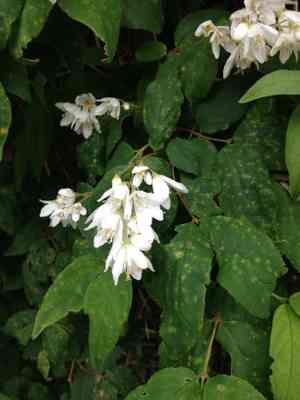
1
Crenate pride-of-rochester flourishes with over six hours of direct sun each day.
2
It can handle some shade, but full sun exposure yields the most vibrant flowers.
3
Insufficient or excessive light can cause Crenate pride-of-rochester to exhibit distress, so monitor leaf hue and development for any alterations.
Optimal Light Conditions for Crenate pride-of-rochester
Ideal Sun Exposure Duration
The Crenate pride-of-rochester flourishes when it gets over 6 hours of direct sun daily. Its bloom production and general health significantly improve under full sun. Full sun exposure typically means the plant receives direct sunlight for most of the day. This consistent exposure fosters vigorous growth and abundant flowers, making your garden a vibrant spectacle.
Morning vs. Afternoon Light
While Crenate pride-of-rochester can endure direct sunlight all day, it particularly benefits from morning sun. Morning sun is less harsh and aids in drying morning dew, lowering the chance of fungal diseases. Conversely, afternoon sunlight is often hotter and more intense, which can sometimes stress the plant if temperatures climb too high. For peak growth, a spot offering morning sun and afternoon shade can be perfect.
Indicators of Excessive or Insufficient Light
Symptoms of Overexposure
Too much sunlight can cause scorched and withered leaves on your Crenate pride-of-rochester. The foliage might brown at the edges or develop bleached patches. This clearly signals that the plant is getting too much direct sun, especially during peak afternoon hours. If you observe these signs, consider moving the plant to a partially shaded area during the day's hottest period.
Symptoms of Inadequate Light
Insufficient sunlight can lead to the Crenate pride-of-rochester becoming etiolated, with long, thin stems as it reaches for available light. Furthermore, you might notice fewer blooms, with flowers appearing sparsely or not at all. The leaves may also become pale green or yellow. Ensuring the plant receives enough light helps it maintain its vibrant flowers and healthy foliage.
Modifying Light for Crenate pride-of-rochester
Seasonal Light Adjustments
As seasons change, the sun's angle and intensity can vary considerably. During summer, when sunlight is more intense, you might need to provide some afternoon shade to your Crenate pride-of-rochester to prevent sunburn. In contrast, during winter, when sunlight is less intense, ensure the plant gets as much light as possible, as days are shorter, and the sun's angle is lower.
Utilizing Shade and Reflective Surfaces
Strategic use of shade from nearby trees or garden structures can shield your Crenate pride-of-rochester from intense summer heat. Additionally, reflective surfaces like white walls or garden mirrors can help direct light to shaded spots, ensuring your plant receives adequate sunlight without the risks of overexposure. These modifications can help you balance the light exposure for your plant throughout the year.
Common Questions About Crenate pride-of-rochester Sunlight
Can Crenate pride-of-rochester Withstand Full Sun?
Yes, the Crenate pride-of-rochester can endure full sun and, in fact, prefers it. However, during periods of extreme heat, some afternoon shade can be beneficial to prevent leaf scorch. Ensuring the plant receives sufficient watering can also help it cope with extended sun exposure.
What Occurs if Crenate pride-of-rochester Is Grown in Shade?
When grown in shade, the Crenate pride-of-rochester may show reduced flowering and leggy growth. The plant stretches towards the light, resulting in an unbalanced appearance. Additionally, its leaves may turn pale green or yellow due to insufficient chlorophyll production. For optimal results, select a location that allows for at least 6 hours of daily sunlight.



