How to Prune Crenate pride-of-rochester?
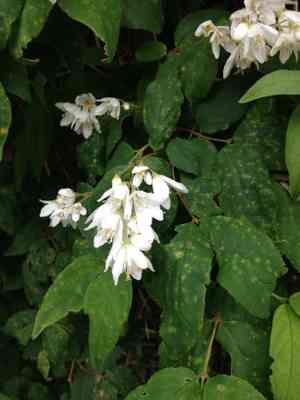
This leaf-shedding bush, recognized for its floral groupings, greatly profits from trimming to preserve its form and boost its flowering. Trim crenate pride-of-rochester right after its blooming phase in late spring or early summer. Utilize thinning cuts to eliminate older branches and encourage vigorous new development, which is crucial for the subsequent year's flowers. This post-flowering schedule enables crenate pride-of-rochester to develop buds for the upcoming season, guaranteeing a brilliant show annually. Trimming not only stimulates strong development but also enhances air movement within the plant, lowering the chance of illness.
What Are the Benefits of Pruning Crenate Pride-of-rochester?
What Are the Benefits of Pruning Crenate Pride-of-rochester?
Trimming crenate pride-of-rochester promotes abundant flowering by removing spent blossoms and shaping the shrub, directing its energy towards producing vibrant new buds. It also deters pests and diseases by eliminating potentially infested or diseased branches, fostering healthier and more vigorous plant growth.
What Is the Best Time for Pruning Crenate Pride-of-rochester?
What Is the Best Time for Pruning Crenate Pride-of-rochester?
Pruning crenate pride-of-rochester in late spring or early summer is ideal, as this occurs immediately after its primary flowering period. Crenate pride-of-rochester blooms on the previous year's growth, meaning pruning must be timed to allow the plant to develop new growth for the next season's flowers without removing the mature stems that will produce the current season's blooms. Pruning in late spring or early summer gives crenate pride-of-rochester ample time to recover from cuts and produce new growth that will form buds for the following year. This timing also prevents potential frost damage to new growth, which can happen if pruning is done in late winter or early spring. Additionally, removing dead, damaged, or diseased wood at this time helps maintain the health and appearance of crenate pride-of-rochester, ensuring a strong structure and robust growth.
What Tools Do I Need to Prune Crenate Pride-of-rochester?
Hand Pruners
Excellent for making precise cuts on crenate pride-of-rochester's smaller branches. Opt for bypass pruners for clean cuts that encourage better healing.
Lopping Shears
Perfect for reaching into crenate pride-of-rochester's canopy to trim thicker branches, up to 1.5 inches in diameter, offering leverage and control.
Pruning Saw
Used for crenate pride-of-rochester's mature and larger branches that loppers cannot manage. A folding saw is preferred for its ease of use and safety.
Hedge Shears
Effective for shaping crenate pride-of-rochester when a more formal hedge appearance is desired. Best for trimming soft growth and creating crisp lines.
How to Prune Crenate Pride-of-rochester
Disinfect tools
Before pruning crenate pride-of-rochester, sanitize all cutting tools with isopropyl alcohol or a 10% bleach solution to prevent the spread of diseases.
Remove dead material
Cut away all dead branches, diseased branches, and withered leaves from crenate pride-of-rochester using clean, sharp pruning shears or a saw for thicker branches to promote healthy growth and improve air circulation.
Thin out
Thin excessive growth branches by pruning out crowded areas, reducing density to ensure light reaches the center of crenate pride-of-rochester, and maintaining the natural shape.
Shape plant
Trim back withered flowers and shape crenate pride-of-rochester by selectively cutting back overgrown branches to maintain or enhance the plant's natural form without compromising its structure.
Cleanup
After pruning crenate pride-of-rochester, remove all cuttings from around the plant to discourage disease and pests, and dispose of the diseased material properly, away from compost or healthy plant areas.
Common Pruning Mistakes with Crenate Pride-of-rochester
Over-pruning
Gardeners may accidentally remove too much growth, which can stress crenate pride-of-rochester and reduce its flowering potential. It's vital to avoid cutting back more than one-third of the shrub's size at a time.
Improper cut placement
Making cuts too far from a bud can leave stubs that won't produce new growth and are vulnerable to pests and disease. Cuts too close can damage the bud, hindering crenate pride-of-rochester's ability to sprout robustly.
Using dull tools
Pruning with dull blades can create jagged cuts that are more susceptible to disease, and can also damage crenate pride-of-rochester's branches, making clean cuts essential.
Neglecting to sanitize tools
Failing to clean tools between cuts and plants can spread disease to crenate pride-of-rochester or from it to other plants in the garden.
Pruning for shape over health
Prioritizing aesthetic shaping over the health and natural growth pattern of crenate pride-of-rochester can lead to weak structure and reduced vigor.
Common Pruning Tips for Crenate Pride-of-rochester
Identify growth pattern
Understanding that crenate pride-of-rochester flowers on old wood will guide gardeners to prune just after blooming finishes to preserve the next season's blooms.
Selective thinning
Encouraging air circulation and light penetration by selectively thinning out the center of crenate pride-of-rochester can boost its health and reduce the risk of fungal diseases.
Promote strong leaders
Supporting the development of strong leader stems by removing competing, weak, or crossed branches can improve crenate pride-of-rochester's overall structure.
Gradual rejuvenation
For older or overgrown crenate pride-of-rochester, employ a gradual approach over several seasons by removing a portion of the oldest stems each year, which minimizes stress and promotes healthy regrowth.
Use sharp, sanitized tools
Ensure pruning tools are sharp and sanitized before and after use on crenate pride-of-rochester to make clean cuts and prevent the spread of disease.



