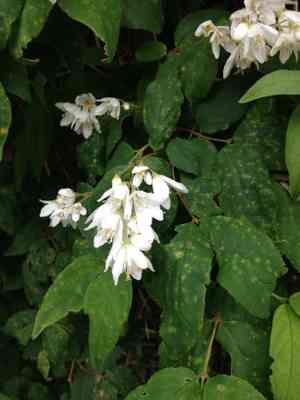
Crenate pride-of-rochester (Deutzia crenata)
Also known as: Pride of Rochester, Japanese Snowflower
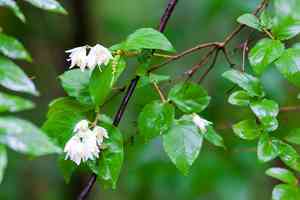
Deutzia crenata is a deciduous shrub with opposite, dentate leaves that are somewhat thick. Unlike Deutzia scabra, its leaves do not show significant dimorphism and are attached to the stem on short petioles. Additionally, the filaments of Deutzia crenata's flowers are distinctively toothed.
In This Article
Attributes of Crenate pride-of-rochester
Lifespan
Perennial
Plant Type
Shrub
Plant Height
1.8 m to 2 m
Spread
90 cm to 1.5 m
Leaf Color
Green
Flower Size
3 cm to 6 cm
Flower Color
White
Images of Crenate pride-of-rochester
Quickly Identify Crenate pride-of-rochester
1
Dense foliage, reaching 3-9 feet (90-270 cm) in height.
2
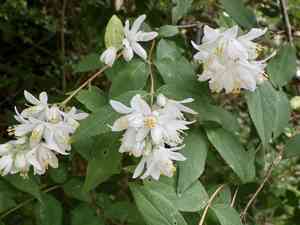
White star-shaped flowers, clustered and hairy, blooming in spring.
3
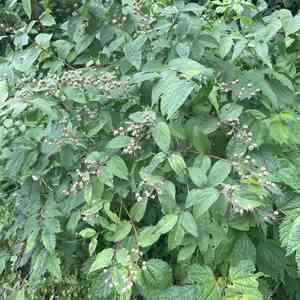
Half-circle fruit capsule, sparsely hairy, maturing from August to October.
4
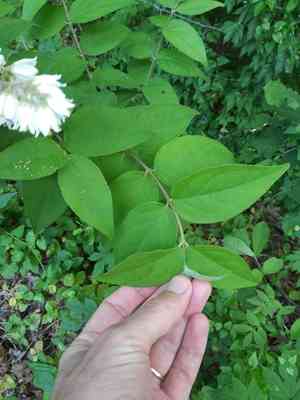
Opposite, serrated leaves, 2-3 inches (5-8 cm) long, with a pointed tip.
5
Reddish-brown stems, smooth texture, 0.2-0.4 inches (0.5-1 cm) in diameter.
Scientific Classification of Crenate pride-of-rochester
Phylum
Vascular plants
Class
Dicotyledons
Order
Cornales
Family
Hydrangea
Genus
Deutzia
Species
Crenate pride-of-rochester
Planting and Growing of Crenate pride-of-rochester
Care Difficulty
Easy
Watering Schedule
Every 3 days
Sunlight Requirements
Full sun
Sunshine Duration
4-8 hours
Ideal Temperature
60-75℉
Soil Type
Potting Mix, Peat Mix
Soil pH
6.5-7.5
Fertilizer Type
Balanced
Pruning Season
Spring, Summer
Pruning Area
Branches, Leaves
Pruning Frequency
2 times a year
Repotting Season
Spring
Pot Type
Plastic, Terracotta
 How to Water Crenate pride-of-rochester?
For Deutzia crenata, you should aim to water it until the soil is consistently moist but not waterlogged. A general rule is to water until you see moisture draining from the bottom of the pot, which indicates thorough saturation without excess pooling.
What are the symptoms of an underwatered Crenate pride-of-rochester?
›
What should I do if my Crenate pride-of-rochester is not getting enough water?
›
What are the symptoms of an overwatered Crenate pride-of-rochester?
›
How to save an overwatered Crenate pride-of-rochester?
›
 What Are the Sunlight Requirements for Crenate pride-of-rochester?
Deutzia crenata thrives best with full to partial sun exposure, ideally receiving around 6 hours of sunlight daily. Proper lighting promotes healthy blooms and strong foliage structure, enhancing its aesthetic value in gardens.
More About Sunlight Requirements Techniques→
Why is Full Sun Beneficial?
›
Challenges of Partial Sun
›
Solutions for Optimal Lighting
›
 What Is the Ideal Temperature Range for Crenate pride-of-rochester?
Deutzia crenata thrives best between 60-75°F because these temperatures offer a conducive environment for optimal metabolic activities, ensuring healthy growth and robust flowering. This range simulates the mild climate conditions of its native habitat.
 What Soil is Best for Crenate pride-of-rochester?
Deutzia crenata thrives in well-draining soil that prevents water from pooling around its roots. This helps avoid root rot and other water-related diseases, ensuring the plant remains healthy and vibrant. This plant prefers moderately fertile soil, capable of supporting its growth without excessive nutrient input. This environment helps Deutzia crenata maintain balanced growth patterns and efficient blooming cycles. While Deutzia crenata prefers good drainage, it also benefits from soils that retain some moisture without turning soggy. This balance supports consistent hydration while preventing root damage.
 How to Fertilize Crenate pride-of-rochester?
For Deutzia crenata, a balanced approach to fertilizing is crucial. Liquid fertilizers should be diluted to half strength for each application to avoid nutrient burns. For slow-release fertilizers, follow the product instructions, typically around 25 grams per plant, ensuring an even distribution around the root zone.
 How to Prune Crenate pride-of-rochester?
Prune Deutzia crenata after its blooming season in late spring to early summer. Cut back the flowering stems to a pair of strong, healthy buds. This encourages new growth and ensures a robust flowering display next year. Remove older branches at their base to enhance air circulation and sunlight penetration within the shrub. This will help reduce disease risk and improve the overall health and aesthetics of the plant. Focus on shaping the shrub by selectively cutting back any overly long branches. Aim to create a balanced and natural form, accentuating its natural arching habit while maintaining an open center.
More About Pruning Techniques→
 How to Propagate Crenate pride-of-rochester plant?
1
Select a time in early spring when the plant is coming out of dormancy. This timing ensures cuttings have the entire growing season to establish roots and grow.
2
Cut healthy, non-flowering shoots from the plant, approximately 4-6 inches long. Make sure to remove any leaves from the base to prevent rot when planting.
3
Dip the cut ends of the cuttings in rooting hormone and plant them in a well-draining soil mix. Keep the soil moist and maintain a stable temperature around the cuttings.
 How to Repot Crenate pride-of-rochester plant?
1
Deutzia crenata shows signs of needing repotting when you notice roots beginning to grow through the drainage holes or the plant seems to be outgrowing its current pot. Additionally, a decline in soil quality or reduced growth during the growing season can indicate it’s time to give your plant a new home.
2
Opt for a pot that is one size larger than the current one, preferably made from materials such as ceramic or terracotta to help regulate moisture. Ensure it has good drainage holes; this prevents waterlogging and encourages healthy root growth, ensuring your Deutzia crenata can thrive and expand with minimal risk of root rot.
3
Select a well-draining loamy mix that retains some moisture but does not remain soggy. A suitable soil composition will allow adequate aeration and nutrient availability, aiding root respiration and promoting healthier plant growth. This type of soil helps avoid issues related to poor drainage, such as root rot or fungal infections.



