How Much Sunlight Do Chinese thorn-apple Need?
1
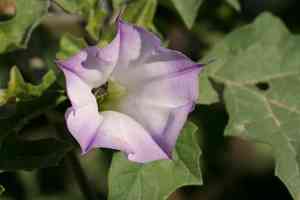
Chinese thorn-apple flourishes optimally in direct sunlight.
2
Confirm Chinese thorn-apple gets a minimum of 6 hours of sun each day for peak development.
3
Excessive sun exposure may cause scorched leaves, whereas insufficient light can hinder the plant's development.
Ideal Light Conditions for Chinese Thorn-Apple
Full Sun Needs
The Chinese thorn-apple thrives in full sun, meaning it requires direct sunlight for over six hours daily. This consistent light exposure is vital for the plant's overall health and strength. Full sun encourages abundant flowering and maintains the plant's structural integrity. If planting outside, select a spot with peak midday sun.
Partial Shade Acceptance
While full sun is best, the Chinese thorn-apple can endure partial shade. In extremely hot climates, some afternoon shade can actually shield the plant from severe heat stress. However, partial shade must not mean low light; the plant still needs significant, though diffused, sunlight for most of the day.
Seasonal Light Changes
Seasonal shifts can impact the amount of light your Chinese thorn-apple receives. In summer, long days and intense sun are perfect. Yet, in winter, shorter days and weaker light can hinder its growth. If potted, consider relocating it to a brighter spot during winter to offset reduced sunlight.
Impacts of Excessive or Insufficient Light
Symptoms of Overexposure
Too much sunlight, especially in very hot areas, can cause leaf scorch. This appears as browning or a crisp texture on leaf edges. If these signs appear, providing afternoon shade or moving the plant may be necessary. Ensure sufficient water to help the plant manage increased light intensity.
Signs of Inadequate Light
Conversely, insufficient light can impede growth, leading to leggy and weak plants. The Chinese thorn-apple might produce fewer blooms, and leaves may look pale or yellow. To fix this, increase the plant's light exposure by moving it to a sunnier location or using grow lights if grown indoors.
Best Practices for Managing Chinese Thorn-Apple Sunlight
Strategic Plant Placement
Placement is key for Chinese thorn-apple. When planting outdoors, choose an area with ample direct sunlight, ideally facing south. For potted plants, place them near a window with plenty of light, but be ready to adjust their position seasonally for consistent exposure.
Using Shade Cloths
In regions with very strong sunlight, shade cloths can protect your Chinese thorn-apple from burning. These cloths filter some sun rays, reducing leaf burn risk while still allowing essential light. Choose a cloth with appropriate shading, typically 30% to 50%, to avoid blocking too much light.
Seasonal Adjustments
Adjust your plant care throughout the year to match changing light levels. During summer, more watering might be needed due to increased evaporation. In winter, consider moving potted plants to sunny indoor spots or greenhouse setups. Regularly check to ensure the Chinese thorn-apple gets enough light year-round.
FAQ: Chinese Thorn-Apple Sunlight Needs
Can Chinese thorn-apple be grown indoors?
Yes, Chinese thorn-apple can be grown indoors, provided it gets sufficient sunlight. Position the plant near a south-facing window for at least 6 hours of direct light daily. Supplement with grow lights if natural light is inadequate, especially during shorter winter days.
What is the optimal daily sunlight duration?
The optimal daily sunlight duration for a Chinese thorn-apple is a minimum of 6 hours of direct sunlight. This duration promotes vigorous growth, vibrant flowering, and overall plant health. Monitoring sunlight exposure is crucial, particularly when growing the plant in varying seasonal conditions.



