How to Prune Chinese thorn-apple?
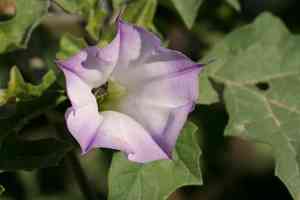
Belonging to the Solanaceae family, chinese thorn-apple is recognized by its foliage resembling oak and its trumpet-form blossoms. Trim chinese thorn-apple in the initial part of spring to encourage robust development and preserve its form. Reducing dense branches and eliminating deceased or ailing wood can boost air movement and the plant's well-being. Trimming following each flowering period, which spans from spring through autumn, stimulates ongoing blooming. Primary advantages encompass enhanced plant architecture and heightened resilience against pests and ailments.
What Are the Benefits of Pruning Chinese Thorn-apple?
What Are the Benefits of Pruning Chinese Thorn-apple?
Trimming chinese thorn-apple encourages robust development and helps maintain a desired form. This practice stimulates new growth, prevents illness by improving air flow, and contributes to the plant's overall structure and shape.
What Is the Best Time for Pruning Chinese Thorn-apple?
What Is the Best Time for Pruning Chinese Thorn-apple?
Trimming chinese thorn-apple aligns with its periods of active growth. Spring pruning removes winter damage and promotes new shoots. In early summer, it's good to shape chinese thorn-apple and manage its size after initial spring growth. Late fall pruning is ideal for removing dead or diseased branches post-growing season, preparing chinese thorn-apple for winter dormancy without encouraging new growth susceptible to frost damage.
What Tools Do I Need to Prune Chinese Thorn-apple?
Bypass Pruners
Perfect for making clean cuts on live stems of chinese thorn-apple, causing minimal harm to plant tissues.
Pruning Saws
Essential for cutting through thicker branches that bypass pruners cannot handle, ensuring accurate and efficient cuts.
Lopping Shears
Useful for reaching thicker stems located deeper within the canopy of chinese thorn-apple, offering leverage and precision.
Gloves
Crucial for protecting the gardener's hands from the thorny nature of chinese thorn-apple, providing a safer trimming experience.
How to Prune Chinese Thorn-apple
Sanitize
Before trimming chinese thorn-apple, disinfect your pruning shears with alcohol or a bleach solution to prevent disease spread.
Inspect
Examine chinese thorn-apple thoroughly to locate all withered leaves that require removal.
Pruning Withered
Using your sanitized shears, carefully cut the withered leaves at their base where they meet the stem or branch, making a clean cut without leaving stubs.
Disposal
Collect the withered leaves and dispose of them properly, away from your garden, to prevent potential spread of diseases or pests.
Cleanup
Clean your pruning tools again after finishing, and wash your hands to remove any plant sap, which may be toxic or irritating due to the nature of chinese thorn-apple.
Common Pruning Mistakes with Chinese Thorn-apple
Over-Pruning
Removing too much foliage at once can stress chinese thorn-apple, leading to poor development or even plant demise.
Improper Cut Placement
Making cuts too far from a node, where leaves or branches emerge, can result in unsightly stubs and increase the risk of disease and pest infestation.
Using Dull Tools
Trimming with dull tools can cause jagged cuts, which heal poorly and leave chinese thorn-apple vulnerable to diseases.
Pruning During Active Growth
Cutting back chinese thorn-apple during its active growth phase can disrupt its natural growth cycle and may reduce its vigor and bloom potential.
Ignoring Diseased Or Dead Material
Failing to remove diseased, dead, or damaged material can hinder the health and aesthetic appeal of chinese thorn-apple, as it can be a vector for disease.
Common Pruning Tips for Chinese Thorn-apple
Sterile Techniques
Disinfect trimming tools before and after use on chinese thorn-apple to prevent the spread of disease.
Sharp Cuts
Use sharp, clean pruning shears to make precise cuts on chinese thorn-apple, ensuring quick healing and reducing stress to the plant.
Cutting Angle
Cut branches of chinese thorn-apple at a 45-degree angle just above a leaf node to promote healthy new growth.
Thinning
Thin out crowded areas to improve air circulation and light penetration within chinese thorn-apple's foliage, encouraging a healthier plant.
Shaping
Gradually shape chinese thorn-apple over several seasons rather than drastically changing its shape in one trimming session to maintain plant health and aesthetics.



