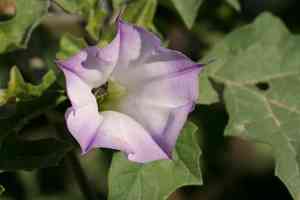
Chinese thorn-apple (Datura quercifolia)
Also known as: Oak-leaved Datura, Thorn Apple
The small shrub known as the Chinese thorn-apple is Datura quercifolia. It is often cultivated for its decorative leaves but is toxic if ingested and can cause skin irritation upon contact.
In This Article
Attributes of Chinese thorn-apple
Lifespan
Annual, Perennial
Plant Type
Herb
Plant Height
1.5 m
Spread
2 to 3 feet (about 0.6 to 0.9 meters)
Leaf Color
Green
Flower Size
4.5 cm to 6 cm
Flower Color
White Purple
Images of Chinese thorn-apple
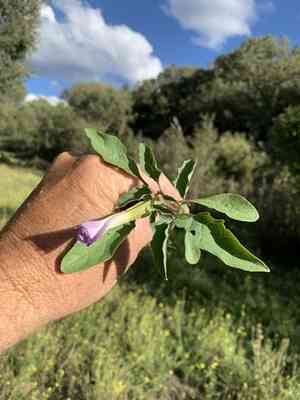
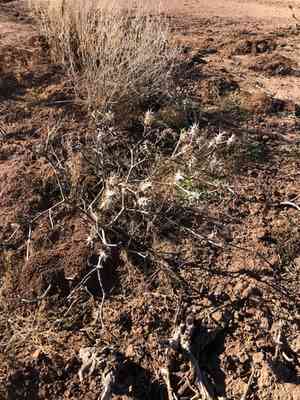
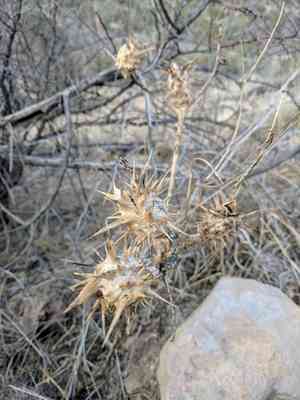
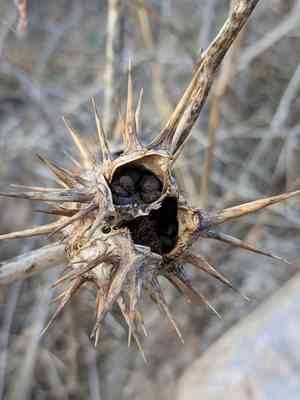
Quickly Identify Chinese thorn-apple
1
Datura quercifolia can be identified by its oak-like, deeply lobed leaves, and large, trumpet-shaped flowers that are typically white or pale purple.
Scientific Classification of Chinese thorn-apple
Phylum
Vascular plants
Class
Dicotyledons
Order
Solanales
Family
Nightshade
Genus
Thornapples
Species
Chinese thorn-apple
Planting and Growing of Chinese thorn-apple
Care Difficulty
Easy
Watering Schedule
Every 2 days
Sunlight Requirements
Full sun
Sunshine Duration
6-10 hours
Ideal Temperature
68-77℉
Soil Type
Potting Mix, Peat Mix
Soil pH
6.5-7.5
Fertilizer Type
Balanced
Pruning Season
Spring, Summer
Pruning Area
Branches, Leaves
Pruning Frequency
2 times a year
Repotting Season
Spring
Pot Type
Plastic, Ceramic
 How to Water Chinese thorn-apple?
For Datura quercifolia, water thoroughly so that the entire root ball is moistened. The plant benefits from deep watering, allowing the water to reach roots located deeper in the soil. This approach ensures that the roots can efficiently access water without the risk of sitting in stagnant water.
What are the symptoms of an underwatered Chinese thorn-apple?
›
What should I do if my Chinese thorn-apple is not getting enough water?
›
What are the symptoms of an overwatered Chinese thorn-apple?
›
How to save an overwatered Chinese thorn-apple?
›
 What Are the Sunlight Requirements for Chinese thorn-apple?
Datura quercifolia flourishes best under full sun to partial sun conditions, benefiting from 6-8 hours of sun exposure. This light range facilitates optimal flowering and strong, healthy foliage.
More About Sunlight Requirements Techniques→
How much sun does Datura quercifolia need daily?
›
What if my location does not have full daylight exposure?
›
Can I grow Datura quercifolia indoors?
›
 What Is the Ideal Temperature Range for Chinese thorn-apple?
Datura quercifolia thrives best in a temperature range of 68 to 77 degrees Fahrenheit. This range supports optimal growth and flowering. Maintaining this ideal range helps maximize the plant's potential and resilience to stress.
 What Soil is Best for Chinese thorn-apple?
Datura quercifolia thrives in well-draining soil to prevent root rot. Adequate drainage ensures roots receive necessary oxygen, promoting vigorous growth and vibrant flowering. Rich soil boosts Datura's growth, providing ample nutrients for its large leaves and flowers. Incorporate organic matter to maintain fertility and soil structure. Maintain moderate soil moisture to support Datura's lush foliage. Avoid waterlogged conditions, as excess moisture can lead to root diseases and hinder plant development.
 How to Fertilize Chinese thorn-apple?
The recommended fertilizer amount for Datura quercifolia is moderate. It requires a balanced 10-10-10 liquid fertilizer mixed at half the recommended strength, about 1 tablespoon per gallon of water. For slow-release fertilizers, apply one tablespoon per plant, ensuring even distribution around the root zone.
 How to Prune Chinese thorn-apple?
Start by sterilizing your pruning shears to prevent disease. Identify dead, damaged, or diseased branches and remove them first. Trim back any wayward or excessively long branches to maintain shape. Always make cuts just above a node to promote healthy growth. To give Datura quercifolia a desirable shape, prune lightly and strategically. Focus on encouraging a bushier appearance by cutting back long stems to promote lateral growth. Use your shears to remove spindly or unattractive growth to enhance its aesthetic appeal.
More About Pruning Techniques→
 How to Propagate Chinese thorn-apple plant?
1
Collect seeds from mature Datura quercifolia pods once they have dried on the plant. This ensures the seeds are fully developed and ready for germination.
2
Use a well-draining potting mix for sowing seeds or planting cuttings. The soil should be light, airy, and capable of retaining some moisture while allowing excess water to drain away.
3
For seed propagation, scatter seeds over the soil surface and lightly cover them. For cuttings, insert them into the soil deep enough to support the cutting upright and cover a few leaf nodes to encourage root development.
 How to Repot Chinese thorn-apple plant?
1
Repot Datura quercifolia when the roots begin to outgrow the current pot, which can lead to root circling or coming out of drainage holes. Another signal is when water drains too quickly or the plant shows signs of stunted growth. Spring or early summer is ideal in order to minimize stress and leverage warm weather for active growth.
2
Select a pot that is 2-3 inches larger in diameter than the current one. Ensure it has drainage holes to prevent waterlogged roots. The larger pot size supports root expansion and promotes healthier plant growth by providing ample room.
3
Opt for a well-draining potting mix that retains some moisture while allowing excess water to escape. This kind of soil mix prevents root rot and promotes healthy root development, ensuring the Datura thrives in its new environment.
Toxicity
Ingestion, Inhalation, Skin Absorption
WARNING
The judgment on toxicity and danger is for reference only. We DO NOT GUARANTEE any accuracy of such judgment. Therefore, you SHALL NOT rely on such judgment. It is IMPORTANT TO SEEK PROFESSIONAL ADVICE in advance when necessary.
Learn More About Chinese thorn-apple Diseases
Anthracnose
Bacterial Leaf Spot
Bacterial Wilt
Chemical Injury
Crown Gall
Cyst Nematode
Damping-off
Downy Mildew
Drought Stress
Fusarium Wilt
Gray Mold
Late Blight
Leaf Curl
Leaf Spot
Mosaic
Nutrient Deficiency
Nutrient Toxicity
Powdery Mildew
Root Rot
Root-knot Nematode
Rusts
Sooty Mold
Spider Mites
Temperature Stress
Thrips Damage
White Mold



