How Much Sunlight Do Teddy bear cholla Need?
1
Teddy bear cholla flourishes optimally in direct sun exposure.
2
Confirm Teddy bear cholla gets a minimum of 6 hours of sun each day for peak development.
3
Teddy bear cholla may experience sun damage or hindered development from inadequate sun exposure.
Optimal Light Conditions for Teddy bear cholla
Full Sun Requirements
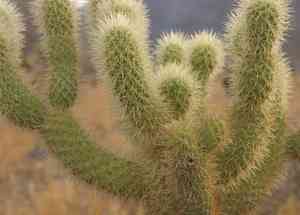
The Teddy bear cholla is a heliophilic plant that prospers in direct sunlight. Originating from arid regions, this robust cactus has evolved to flourish under the intense, unshielded rays of the sun. Providing full sun exposure fosters its best development, aiding in its sturdy growth and preserving its characteristic spiky appearance. Ample sunlight is essential, as it replicates the plant's natural environment, ensuring it acquires the necessary energy for photosynthesis and development.
Ideal Daily Sun Exposure
For peak growth, ensure your Teddy bear cholla receives at least 6 to 8 hours of direct sunlight daily. This duration enables the plant to maximize its photosynthetic process, which is crucial for its healthy progression. If cultivating this cactus in areas with less intense solar radiation, such as northern latitudes, aim to increase its exposure to as much direct sunlight as feasible throughout the day. Remember, consistent access to sufficient sunlight guarantees the Teddy bear cholla maintains its vigor and resilience.
Positioning Teddy bear cholla for Maximum Light
Best Outdoor Locations
When planting your Teddy bear cholla outdoors, placement is critical. Select a garden spot that receives uninterrupted sunlight throughout the day. Ideally, situate it in an area free from the shade of buildings, trees, or other structures. Elevated garden beds can also ensure optimal light access while providing good drainage. If you reside in a region prone to cloudy weather, consider orienting your Teddy bear cholla to face south to maximize sun exposure.
Indoor Placement Strategies
If cultivating your Teddy bear cholla indoors, choosing the correct position is equally important. Place the cactus near a south-facing window where it can obtain the greatest amount of natural sunlight. If natural light is inadequate, supplement with artificial grow lights to ensure it gets the required 6 to 8 hours of illumination. Rotate the plant periodically to ensure all sides receive an equal amount of light, promoting a balanced growth pattern.
Potential Light Issues for Teddy bear cholla
Signs of Excessive Sunlight
While the Teddy bear cholla thrives in full sun, overly intense sunlight without gradual acclimatization can cause harm. Look for indications of sunburn, such as yellowing or brownish-black marks on the stems. These suggest the plant is receiving more sunlight than it can tolerate. To prevent further damage, consider providing light shade during the hottest parts of the day, especially if the cactus has been recently relocated or if it's an unusually hot period.
Signs of Insufficient Sunlight
Conversely, inadequate sunlight poses a significant problem for Teddy bear cholla. If the plant does not receive enough light, it may exhibit stunted development, pale or elongated stems, and a reduced number of spines. To remedy this, ensure the plant is moved to a brighter location or receives supplemental lighting. Regular observation and adjustment can help avert these issues, ensuring robust growth and vitality.
Modifying Light Exposure for Teddy bear cholla
Seasonal Light Adjustments
Seasonal shifts can significantly impact sunlight availability. During the summer, when sunlight is more intense and plentiful, consider gradually acclimating your Teddy bear cholla to prevent sunburn. In the winter months, when sunlight is scarcer, you might need to relocate the cactus to a sunnier spot or provide additional artificial light to meet its requirements. Regularly adjust the plant's position and lighting based on the season to maintain its health.
Utilizing Shade and Reflective Surfaces
In situations where direct sunlight is too strong, employing shade cloths or reflective surfaces can help regulate exposure. Shade cloths can filter the sunlight, safeguarding your Teddy bear cholla from the harshest rays during peak hours, particularly in the afternoon. Reflective surfaces, such as white walls or light-colored stones, can also enhance light distribution around the plant without causing sunburn. Using these methods strategically can help balance the light exposure, ensuring your cactus flourishes throughout the year.



