The Teddy bear cholla Plant Advantage: Maximizing Home and Office Appeal and Wellness
1
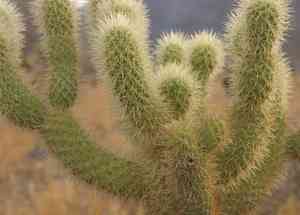
Teddy bear cholla serves as an outstanding natural barrier because of its thick, thorny form.
2
This plant exhibits exceptional tolerance to dry conditions, making it perfect for desert environments.
3
Teddy bear cholla offers a safe haven for diverse desert wildlife, contributing to regional ecosystems.
Why Is Teddy bear cholla Ideal for Natural Fencing?
The Protective Structure
Teddy bear cholla is well-known for its thick, thorny build, which acts as an outstanding natural barrier. Its dense layer of spines can deter animals and even potential intruders, making it an effective and eco-friendly alternative to artificial fences. Its capacity for dense growth ensures that once established, it forms an almost impenetrable barrier.
Low Maintenance
Unlike traditional fencing materials that might need regular upkeep or replacement, Teddy bear cholla requires little maintenance. Once planted, it needs minimal watering and care, thanks to its adaptation to dry conditions. This makes it a cost-effective choice long-term, reducing the need for constant attention and repairs.
How Does Teddy bear cholla Thrive in Arid Conditions?
Drought Resistance
Teddy bear cholla is exceptionally resistant to drought, making it perfect for areas with limited water. Its thick, water-storing stems allow it to survive and even flourish in extremely dry environments. This resilience not only conserves water but also makes it a sustainable option for xeriscapingâa landscaping method that reduces or eliminates the need for supplemental irrigation.
Soil Adaptability
Teddy bear cholla is highly adaptable to poor soil conditions common in dry environments. It can grow in sandy, rocky, and even nutrient-deficient soils, where other plants might struggle. This adaptability means you can use Teddy bear cholla to green up areas that might otherwise remain barren, positively contributing to the local ecosystem.
What Ecological Benefits Does Teddy bear cholla Offer?
Habitat Creation
Teddy bear cholla provides a safe haven for various desert wildlife. Birds, small mammals, and insects often seek shelter within its spiny branches, which offer protection from predators and the harsh sun. By planting Teddy bear cholla in your garden, you are not just adding a plant but creating a microhabitat that can support local biodiversity.
Pollinator Support
The flowers of Teddy bear cholla attract a variety of pollinators, including bees and butterflies. These pollinators are crucial for the reproduction of many plants and the overall health of ecosystems. By supporting these pollinators, Teddy bear cholla indirectly contributes to the flourishing of other plant species in your garden and surrounding areas.
How to Incorporate Teddy bear cholla into Your Landscape Design?
Design Versatility
Teddy bear cholla can be used in various ways within garden and landscape designs. Its striking appearance makes it an excellent focal point in rock gardens or xeriscapes. It can also be used in groupings to create natural barriers or as a solitary specimen for dramatic visual effect. The plantâs aesthetics and structure add both form and function to any landscape.
Companion Planting
Teddy bear cholla pairs well with other drought-tolerant plants such as agave, yucca, and various succulents. These combinations can create visually appealing and low-maintenance garden spaces that require minimal water and care. Companion planting with Teddy bear cholla not only enhances the visual appeal but also ensures the efficient use of resources, contributing to a more sustainable garden ecosystem.



