How Much Sunlight Do Hottentot fern Need?
1
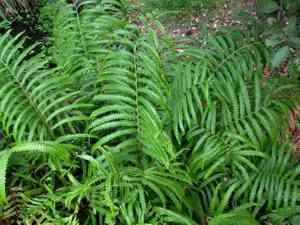
Hottentot ferns flourish optimally in dappled light, making them ideal for interior spaces receiving filtered sun.
2
Excessive direct sun exposure can burn the tender leaves of your Hottentot fern, resulting in discoloration and shedding.
3
During colder months, contemplate relocating your Hottentot fern nearer to windows to optimize light access.
Optimal Illumination Conditions for Hottentot Fern
Filtered Light
The Hottentot fern thrives in settings that provide filtered light. This means the plant should receive diffused sunlight rather than direct exposure. Place the fern in spots where it can enjoy the speckled light that filters through tree leaves or window coverings. This type of illumination mimics the fern's natural environment and supports robust development.
Diffused Sunlight
Diffused sunlight is crucial for keeping your Hottentot fern content. Position the plant near windows that allow ample light in but soften it with sheer drapes or blinds. Avoid placing the fern directly in sunlight's path as this can be too strong and may cause leaf scorching. Diffused sunlight helps preserve the vibrant green hue of the leaves and promotes vigorous growth.
Influence of Light Levels on Hottentot Fern Vitality
Consequences of Excessive Sunlight
Despite being a resilient plant, the Hottentot fern can suffer if exposed to too much direct sunlight. Overexposure can cause the fronds to turn brown at their tips and edges, potentially leading to complete leaf loss. If your fern exhibits signs of sunburn, such as scorched areas or a faded leaf color, it's important to relocate it to a spot with less intense light or provide additional shading.
Consequences of Insufficient Sunlight
Conversely, inadequate sunlight can also impact the health of your Hottentot fern. Low light levels can hinder growth, cause the fronds to become pale or yellow, and make the plant more vulnerable to diseases. If your fern appears leggy or weak, it might require a brighter location, though still out of direct sunlight. Balancing the correct amount of light is vital for maintaining a healthy and lush fern.
Adjusting Illumination for Indoor Hottentot Fern
Utilizing Sheer Drapes
One of the best methods to manage indoor light for your Hottentot fern is by using sheer drapes. These curtains diffuse the light entering through windows, providing the ideal amount of brightness without risking sunburn on the delicate fronds. Position your fern behind these curtains to ensure it receives adequate yet gentle light throughout the day.
Placement Near Windows
Strategic placement of your Hottentot fern near windows can optimize light exposure while preventing direct sunlight damage. East or north-facing windows are perfect as they offer bright, indirect light for most of the day. If only south or west-facing windows are available, keep the fern a few feet away from the window or use blinds to filter the sun's intensity.
Seasonal Light Modifications for Hottentot Fern
Adapting to Seasonal Changes
Throughout the year, the angle and intensity of sunlight shift, necessitating adjustments to your Hottentot fern's position. During the summer months, ensure the fern is shielded from intense midday sun by providing extra shade if needed. In the winter, as daylight hours shorten, move the fern closer to the light source to maintain its health.
Anticipated Growth Patterns
Seasonal light changes will also influence your Hottentot fern's growth patterns. Expect more vigorous growth during spring and summer when light levels are higher. In contrast, the plant may enter a dormant phase with slower growth during fall and winter. Understanding these growth cycles helps you anticipate and meet your fern's needs throughout the year.



