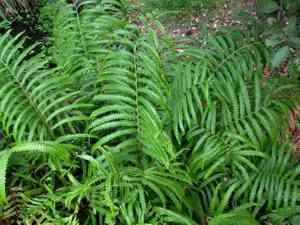
Hottentot fern (Cyclosorus interruptus)
Also known as: Willdenow’s fern
Hottentot fern (*Cyclosorus interruptus*) is a fern native to tropical and subtropical regions, typically found thriving in freshwater swamps and wetlands. It was first documented during Captain James Cook's initial expedition to Australia. Although the fern's attractive foliage makes it appealing for gardens, it is recommended to grow it in containers to manage its spreading nature.
In This Article
Attributes of Hottentot fern
Lifespan
Perennial
Plant Type
Herb
Plant Height
1 m
Spread
0.3 to 0.5 meters
Leaf Color
Bright green
Flower Size
N/A
Flower Color
N/A
Images of Hottentot fern
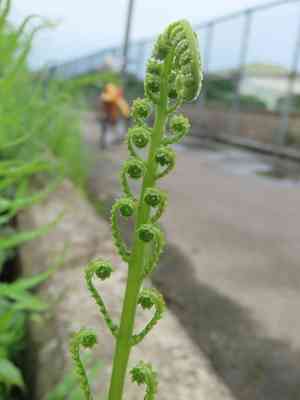
Quickly Identify Hottentot fern
1
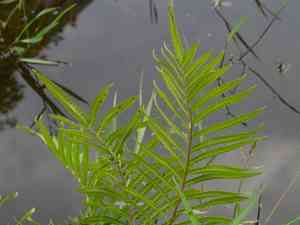
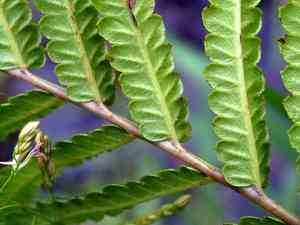
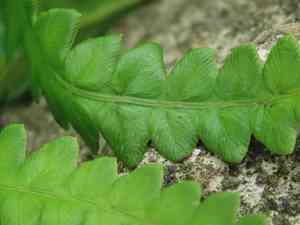
Cyclosorus interruptus can be identified by its pinnate fronds which are typically bright green in color. The fronds are interrupted at intervals by pinnae that are slightly offset, giving a unique appearance. The rhizomes tend to be creeping and can form dense mats.
Scientific Classification of Hottentot fern
Phylum
Vascular plants
Class
Ferns
Order
Polypodiales
Family
Marsh fern
Genus
Cyclosorus
Species
Hottentot fern
Planting and Growing of Hottentot fern
Care Difficulty
Easy
Watering Schedule
Every 4 days
Sunlight Requirements
Partial sun
Sunshine Duration
6-10 hours
Ideal Temperature
70-90℉
Soil Type
Potting Mix, Peat Mix
Soil pH
6.5-7.5
Fertilizer Type
Balanced
Pruning Season
Spring, Summer
Pruning Area
Branches, Leaves
Pruning Frequency
2 times a year
Repotting Season
Spring
Pot Type
Plastic, Ceramic
 How to Water Hottentot fern?
The watering for Cyclosorus interruptus should ensure that the soil remains consistently moist but not soggy. Aim to provide roughly 250ml of water per watering session, ensuring the water reaches the root zone without causing waterlogging.
What are the symptoms of an underwatered Hottentot fern?
›
What should I do if my Hottentot fern is not getting enough water?
›
What are the symptoms of an overwatered Hottentot fern?
›
How to save an overwatered Hottentot fern?
›
 What Are the Sunlight Requirements for Hottentot fern?
Cyclosorus interruptus prefers partial sun to full shade, offering filtered light ideal for sustaining its lush growth. Ideal light supports rich, vibrant frond development, and consistent plant health.
More About Sunlight Requirements Techniques→
What is the ideal lighting condition for Cyclosorus interruptus?
›
How to achieve ideal lighting for Cyclosorus interruptus?
›
What are the benefits of ideal lighting for Cyclosorus interruptus?
›
 What Is the Ideal Temperature Range for Hottentot fern?
The ideal temperature range for Cyclosorus interruptus is between 70°F and 90°F. This warm temperature range mimics the natural subtropical environments where this fern thrives. Maintenance of these temperatures facilitates optimal growth and health, ensuring the plant remains lush and vibrant. Staying within this range allows for effective metabolic processes and photosynthesis.
 What Soil is Best for Hottentot fern?
Cyclosorus interruptus thrives in soil that retains moisture well. Peat and sandy loam soils offer a balance between drainage and water retention, ensuring its roots always have access to the water necessary for optimal growth. Loam and peat soils are naturally rich in organic matter, which is crucial for the plant's nutrient uptake. The organic content breaks down slowly, providing a steady supply of nutrients, thus promoting healthy and robust growth. Though the plant needs moisture, it's critical to avoid waterlogging. Sandy loam's natural structure facilitates good drainage, preventing root rot while maintaining necessary humidity, thereby creating an ideal growing environment.
 How to Fertilize Hottentot fern?
For Cyclosorus interruptus, use a liquid fertilizer diluted to half-strength, applying approximately 100ml per application. For slow-release granular fertilizers, spread uniformly around the base of the plant, ensuring about 5 grams per plant.
 How to Prune Hottentot fern?
While pruning is beneficial, it's crucial not to over-prune. Removing too much foliage can weaken Cyclosorus interruptus and stress the plant. Always ensure that at least two-thirds of the plant's fronds remain after pruning. Take care not to cut new growth when pruning. New shoots and fronds are essential for the plant's continued growth and development. Trim around these areas carefully to avoid inhibiting growth.
More About Pruning Techniques→
 How to Propagate Hottentot fern plant?
1
Identify a healthy and mature Cyclosorus interruptus plant that is ready for division. Look for a well-developed plant with multiple stems and a robust root system that indicates it can withstand separation.
2
Ensure that the soil in the new location is similar to its natural habitat: moist and rich in organic material. Loosen the soil and add compost to improve its nutrient content and drainage.
3
Using a sharp spade, carefully lift the plant, shake off excess soil, and gently tease apart sections of the roots, handling the plant with care to avoid breaking too many roots in the process.
 How to Repot Hottentot fern plant?
1
Cyclosorus interruptus should be repotted when you notice roots circling inside the pot or emerging through drainage holes, indicating that the current pot is too small. Additionally, if plant growth has slowed down or the soil retains too much moisture, these are clear signals for repotting.
2
Selecting the right pot is crucial for the healthy development of Cyclosorus interruptus. Opt for a container that is one size larger than its current pot to give roots enough space to grow and prevent waterlogging. A pot with ample drainage holes helps maintain ideal moisture levels and prevent root rot.
3
Cyclosorus interruptus thrives in well-draining soil that retains some moisture but doesn't remain soggy. A mix of peat and light potting soil with perlite or sand offers the perfect balance, enhancing aeration and promoting healthy root development.
Learn More About Hottentot fern Diseases
Anthracnose
Bacterial Leaf Spot
Bacterial Soft Rot
Bacterial Wilt
Chemical Injury
Cyst Nematode
Damping-off
Downy Mildew
Drought Stress
Fusarium Wilt
Gray Mold
Leaf Spot
Mosaic
Nutrient Deficiency
Nutrient Toxicity
Powdery Mildew
Root Rot
Root-knot Nematode
Sooty Mold
Spider Mites
Temperature Stress
Thrips Damage
White Mold



