How Much Sunlight Do Morrito Need?
1
Morrito flourishes optimally in bright, direct sunlight, needing over six hours of direct sun each day.
2
Observing seasonal shifts aids in guaranteeing your Morrito gets adequate light throughout the year.
3
Employing reflective materials can boost light exposure, particularly in areas with less direct sun.
Understanding Morrito's Light Needs
Morrito's Native Environment
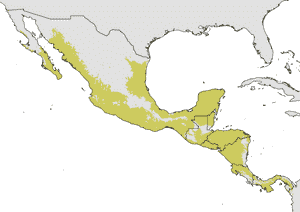
The Morrito plant originates from areas with warm climates and abundant sunshine. In its natural setting, Morrito is accustomed to receiving ample direct sunlight throughout the day, which is crucial for its development. This resilient plant has evolved to flourish under intense light, making it important to replicate these conditions when cultivating it indoors.
Sunlight's Role in Development
Sunlight is essential for photosynthesis, the process by which plants convert light energy into chemical energy for growth. For Morrito, sufficient sunlight ensures robust leaf formation and overall plant vitality. Inadequate light can lead to stunted growth, poor flowering, and increased susceptibility to diseases.
Optimal Light Conditions for Morrito
Full Sun vs. Partial Sun
Morrito plants thrive with full sun exposure, requiring at least 6 hours of direct sunlight daily. While it can tolerate partial sun, where it receives less direct light, its growth will be less vigorous. If grown in partial sun, aim to provide as much direct sunlight as possible during peak daylight hours for best results.
Direct vs. Filtered Light
Direct sunlight means the plant receives unfiltered sun, which is ideal for Morrito. Indirect light, which passes through a medium like a curtain or a nearby wall, can still be beneficial but may not provide the energy level needed for optimal growth. Ensure your Morrito is placed where it can receive direct light for most of the day.
Adjusting to Varying Light Conditions
Seasonal Light Changes
As seasons shift, the available sunlight changes, impacting how much natural light your Morrito gets. During winter, with shorter daylight hours, you might need to move your plant to brighter spots or consider supplemental lighting. Pay attention to the duration and intensity of sunlight across seasons to adjust the plant's placement accordingly.
Supplemental Lighting Options
When natural light is insufficient, artificial lighting can be a valuable aid for your Morrito. LED grow lights are an excellent choice, offering the necessary light spectrum to mimic natural sunlight. Position the grow light approximately 30-45 cm (12-18 inches) above the plant and leave it on for 12-16 hours daily during darker periods to maintain ideal growth conditions.
Signs of Improper Light Exposure
Symptoms of Excessive Sun
Too much sunlight can cause your Morrito to show symptoms like scorched or bleached leaves, appearing as brown or white patches on the foliage. The plant may also wilt due to excessive heat. If you observe these signs, try moving the plant to a slightly shadier spot or provide afternoon shade during peak sun hours.
Symptoms of Insufficient Sun
Conversely, inadequate sunlight can result in weak, elongated stems and smaller leaves. The Morrito may also lose its vibrant color and exhibit slow growth. To fix this, move the plant to a brighter location where it can absorb more direct sunlight. Early detection of these signs can help adjust your plant care routine for healthy development.
Tips for Ensuring Adequate Sunlight
Positioning Your Morrito
Strategic placement of your Morrito is key to ensuring it receives the correct amount of sunlight. South-facing windows are generally the best indoor spots in the Northern Hemisphere, as they get the most consistent sunlight throughout the day. For outdoor plants, choose a location where Morrito can receive unobstructed sunlight for the majority of the day.
Utilizing Reflective Surfaces
Reflective surfaces like mirrors or white walls can help boost available light for your Morrito. Place mirrors or other reflective objects near the plant to bounce additional light onto it, especially if your home has several shaded areas. This can be particularly useful for increasing light exposure for indoor plants in less brightly lit rooms.



