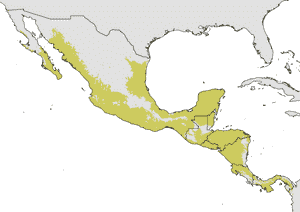
Morrito (Crescentia alata)
Also known as: Crossleaf catabash tree, Mexican calabash
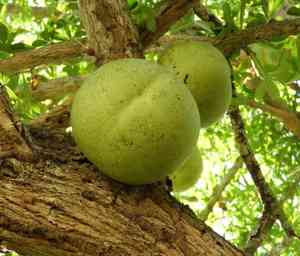
The Morrito tree, known for its night-blooming flowers and sizable, durable fruit, has some unique characteristics. The fruit's tough shell, which is difficult to open without human or animal intervention, makes natural seed dispersal uncommon. Locals creatively repurpose the woody fruit into items like containers, cups, and decorative pieces.
In This Article
Attributes of Morrito
Lifespan
Perennial
Plant Type
Tree
Plant Height
8 m
Spread
8 m
Leaf Color
Dark green
Flower Size
4-6 centimeters
Flower Color
Yellow Green Red Brown
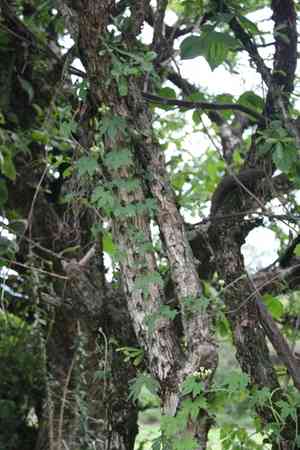
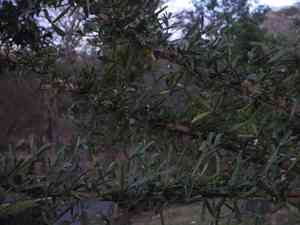
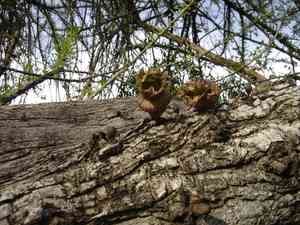
Images of Morrito
Quickly Identify Morrito
1
The species can be identified by its broad, spreading canopy; hard, woody, and gourd-shaped fruit; and characteristic leathery leaves with a glossy surface.
Scientific Classification of Morrito
Phylum
Vascular plants
Class
Dicotyledons
Order
Lamiales
Family
Bignonia
Genus
Calabash trees
Species
Morrito
Planting and Growing of Morrito
Care Difficulty
Easy
Watering Schedule
Every 3 days
Sunlight Requirements
Full sun
Sunshine Duration
4-8 hours
Ideal Temperature
68-86℉
Soil Type
Potting Mix, Peat Mix
Soil pH
6.5-7.5
Fertilizer Type
Balanced
Pruning Season
Spring, Summer
Pruning Area
Branches, Leaves
Pruning Frequency
2 times a year
Repotting Season
Spring
Pot Type
Plastic, Ceramic
 How to Water Morrito?
Crescentia alata, commonly known as the calabash tree, requires moderate watering. Ensure that the soil is thoroughly moist but not waterlogged, aiming for about 500ml per session. Ensure the top inch of soil dries out before rewatering to prevent root rot, and always adjust based on the plant’s location, temperature, and seasonal changes.
What are the symptoms of an underwatered Morrito?
›
What should I do if my Morrito is not getting enough water?
›
What are the symptoms of an overwatered Morrito?
›
How to save an overwatered Morrito?
›
 What Are the Sunlight Requirements for Morrito?
Full sun to partial sun allows Crescentia alata to maximize photosynthetic activity, yielding lush foliage and optimal fruit production in its native environment.
More About Sunlight Requirements Techniques→
What type of sunlight is ideal?
›
What solutions can help achieve ideal lighting?
›
What are the benefits of ideal lighting?
›
 What Is the Ideal Temperature Range for Morrito?
For optimal growth of Crescentia alata, the ideal temperature range is between 68°F and 86°F. This range provides the best environment for healthy vegetation and adequate flowering, as it simulates the natural habitat conditions where this species thrives. Maintaining temperatures within this range ensures robust growth and prevents thermal stress that could harm the plant.
 What Soil is Best for Morrito?
Crescentia alata thrives in well-drained soil which prevents root rot by allowing excess water to escape, thus maintaining a healthy root system essential for nutrient and water uptake. The plant requires moderate moisture levels. While it does not tolerate waterlogged conditions, consistent moisture encourages steady growth and helps avoid drought stress. A nutrient-rich soil enhances the plant's growth by providing essential macro and micronutrients. Adding organic matter or compost can improve soil fertility, boosting overall health and vigor.
 How to Fertilize Morrito?
For Crescentia alata, it is optimal to use approximately 1 ounce (about 30 grams) of a balanced 10-10-10 fertilizer for container plants. For ground plants, apply 3-4 ounces (85-115 grams) per plant in a circle around the base. This allows even distribution without overwhelming the soil.
 How to Prune Morrito?
Begin by inspecting the tree for any dead or diseased branches. Use clean, sharp tools to make cuts just above leaf nodes or lateral branches. This encourages new growth and helps maintain a pleasing shape. Always cut at a slight angle to prevent water accumulation and potential rot. Shape Crescentia alata by trimming back overgrown branches. Focus on maintaining a rounded canopy to allow sunlight to penetrate, which ensures even growth. Avoid cutting more than a third of the branch length at a time to prevent stress.
More About Pruning Techniques→
 How to Propagate Morrito plant?
1
Collect mature seeds from Crescentia alata pods. Clean them thoroughly to remove pulp, which could harbor pests or diseases. Sow them in a seed tray filled with moist, well-draining soil.
2
Choose a healthy stem from the parent plant during spring. It should be about 4 to 6 inches long with several leaves. Cut it using sanitized pruning shears to avoid transmitting diseases.
3
Dip the cut end of the stem in rooting hormone to encourage root development. Plant the cutting in a pot filled with a moist potting mix and ensure it remains stable as roots develop.
 How to Repot Morrito plant?
1
You'll know it's time to repot Crescentia alata when you observe roots circling the pot's surface, stunted growth, or water pooling excessively on top. Ideally, repot during actively growing seasons like spring or summer for best results.
2
Select a pot that has adequate drainage holes to prevent waterlogging, which could lead to root rot. The new pot should be about 2-3 inches larger in diameter than the previous one—providing space for root growth without overwhelming the plant.
3
Opt for a well-draining soil mix containing sand or perlite to ensure good aeration and prevent water retention. This enhances root health and promotes vigorous growth in Crescentia alata, helping the plant thrive.
Learn More About Morrito Diseases
Anthracnose
Bacterial Leaf Spot
Bacterial Soft Rot
Bacterial Wilt
Black Spot
Chemical Injury
Crown Gall
Damping-off
Drought Stress
Fusarium Wilt
Gray Mold
Leaf Spot
Mosaic
Nutrient Deficiency
Nutrient Toxicity
Powdery Mildew
Root Rot
Root-knot Nematode
Sooty Mold
Spider Mites
Temperature Stress
Thrips Damage
White Mold



