How to Prune Morrito?
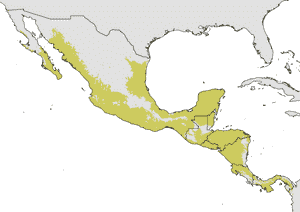
For morrito, a unique tree recognized for its spherical fruit and therapeutic qualities, trimming is best performed in late winter, prior to the commencement of the growing period. Eliminate any lifeless, ailing, or intersecting branches to preserve the plant's well-being and structure. Reducing thick foliage improves air movement and light access. As morrito withstands extensive pruning, substantial reductions can revitalize mature trees, boosting fruit yield. Exercise care to uphold the tree's inherent silhouette.
Advantages of Trimming Morrito
Advantages of Trimming Morrito
Trimming morrito is vital as it can significantly boost harvest yields by eliminating surplus growth, thereby channeling energy towards fruit development. It promotes robust growth and maintains the plant's desired form, enhancing both its output and visual appeal.
Optimal Time for Trimming Morrito
Optimal Time for Trimming Morrito
Trimming morrito in late winter is considered ideal because it coincides with the end of its dormant phase, just before the start of the spring growth cycle. This timing allows gardeners to shape the plant and remove any dead or damaged branches without stressing morrito, as it prepares for vigorous growth. Additionally, with less foliage during this period, it is easier to discern the structure of morrito for more effective trimming. Trimming in late winter also minimizes the risk of disease transmission, as many pathogens are less active during colder months. It avoids disrupting the flowering or fruiting periods of morrito, ensuring that the plant's energy is directed efficiently towards producing blooms and fruits in the upcoming season.
Essential Tools for Trimming Morrito
Hand Pruners
Perfect for making precise cuts on morrito's smaller branches, which helps in shaping the plant and removing any dead or diseased wood. Hand pruners come in bypass and anvil styles, but bypass pruners are generally recommended for live plant material to provide cleaner cuts and prevent crushing tissues.
Loppers
Useful for cutting through thicker branches of morrito that hand pruners cannot manage. The long handles provide leverage to make cutting easier and can reach into the canopy without disrupting the plant's overall shape.
Pruning Saw
Required for trimming any large or mature branches of morrito that are too thick for hand pruners and loppers. A pruning saw allows for accurate cuts on branches with diameters exceeding 1.5 inches without causing harm to the surrounding plant tissue.
How to Trim Morrito
Sanitize tools
Before trimming morrito, sterilize all cutting implements using a solution of 1 part bleach to 9 parts water. This prevents the spread of diseases.
Remove dead branches
Identify and eliminate any dead branches first. Cut these branches at the point where they meet healthy wood, using sharp, clean pruners. Ensure cuts are clean and do not tear the bark.
Eliminate diseased branches
Inspect morrito for any diseased branches, indicated by discoloration or growths. Remove these branches by making a cut into healthy tissue well below the diseased portions.
Thin canopy
Thin out the canopy of morrito to enhance air circulation and light penetration. Selectively remove overlapping branches, ensuring to make cuts close to a bud, leaf node, or main branch.
Disposal
Dispose of all removed material from morritoâespecially diseased branchesâappropriately to prevent the spread of disease. Do not compost diseased material.
Common Trimming Errors with Morrito
Excessive trimming
Removing too much foliage from morrito can stress the plant, slow its growth, and reduce its overall vigor.
Incorrect cuts
Making jagged or torn cuts can harm morrito, as it can introduce disease and pests or delay healing.
Trimming too often
Frequent trimming can lead to a weak structure and poor health, since morrito may not require constant pruning to maintain its shape.
Neglecting dead or diseased branches
Failing to remove dead or diseased wood can spread decay and affect the health of morrito.
Trimming without sterilizing tools
Using unsterilized tools can spread disease between plants, compromising the health of morrito.
General Trimming Advice for Morrito
Selective trimming
Focus on removing only the necessary branches to shape morrito and encourage growth without over-thinning.
Clean cuts
Use sharp, clean tools to make precise cuts that morrito can heal from quickly and efficiently.
Monitor plant health
Regularly check morrito for signs of pests or diseases before and after trimming to ensure the plant remains healthy.
Structural trimming
Encourage a strong framework for morrito by trimming for good branch architecture and reducing the likelihood of damage due to weak branches.
Tool sterilization
Before and after trimming morrito, sterilize tools with alcohol or bleach solution to prevent the transmission of diseases.



