How Much Sunlight Do Spring blue eyed mary Need?
1
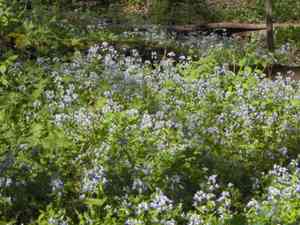
Spring blue-eyed Mary flourishes optimally in areas with partial shade.
2
Exposure to morning sun is especially advantageous for Spring blue-eyed Mary, supplying necessary energy without inducing harm.
3
Too much direct afternoon sun can result in leaf burn and drooping for Spring blue-eyed Mary.
Optimal Light Conditions for Spring blue eyed mary
Partial Shade Preference
The Spring blue eyed mary thrives in partial shade. This typically means it benefits from receiving sunlight for approximately 3-6 hours daily. Too little light can impede its development, while too much can be harmful. For this plant, finding the right balance of partial exposure helps it flourish.
Morning Sunlight Advantages
Providing your Spring blue eyed mary with morning sunlight is ideal. Morning light is less intense than afternoon light, reducing the risk of plant stress and overheating. It supplies sufficient energy for photosynthesis without exposing delicate leaves to extreme heat.
Avoiding Harsh Afternoon Sun
Shielding the Spring blue eyed mary from direct afternoon sunlight is vital. Afternoon rays can be severe, causing the plant's leaves to burn and wilt. Placing it in an area where it can be protected from these intense rays ensures it remains healthy and robust.
Impact of Insufficient Light on Spring blue eyed mary
Weak Growth and Elongation
Without adequate sunlight, the Spring blue eyed mary may exhibit weak growth and elongation. This occurs when the plant stretches toward the light source, appearing tall and thin with sparse foliage. Ensuring proper light levels is key to maintaining its compact and lush form.
Reduced Flowering
Sunlight is a crucial element for blooming in the Spring blue eyed mary. Insufficient light can lead to fewer flowers. The plant's energy is redirected to seeking light rather than producing its characteristic vibrant blooms. Appropriate light levels promote abundant flowering.
Impact of Excessive Light on Spring blue eyed mary
Leaf Scorch and Wilting
Too much sunlight can cause leaf scorch and wilting in the Spring blue eyed mary. Leaves may develop brown, crispy edges and eventually shrivel. This damage often results from the intense heat and UV exposure associated with prolonged direct sunlight.
Stress Indicators
Exposing the Spring blue eyed mary to excessive sunlight can induce various stress indicators. These may include drooping leaves, slower growth, and a pale, faded appearance. Protecting your plant from too much light is essential to prevent these issues and ensure its longevity.
Optimizing Light Exposure for Spring blue eyed mary
Utilizing Shade Cloth
To optimize light exposure for your Spring blue eyed mary, consider using a shade cloth. These materials help diffuse light, offering protection from the harshest rays while still allowing enough light for the plant to thrive. This method is especially useful in regions with intense summer sun.
Strategic Placement
Strategically positioning your Spring blue eyed mary is another way to manage its light intake. Place it in areas where it can receive morning sunlight but is shaded in the afternoon. For instance, planting it near taller plants or structures can provide the necessary shade during peak sunlight hours.
Consistent Observation and Adjustments
Consistent observation and adjustments are crucial when optimizing light conditions for your Spring blue eyed mary. Regularly check the plant for signs of either insufficient or excessive sunlight and modify its location accordingly. Minor changes can significantly improve your plant's health and appearance.



