How to Prune Spring blue eyed mary?
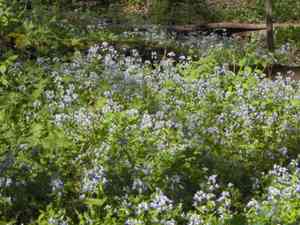
A small, biennial wild blossom, spring blue eyed mary thrives in damp, shaded environments, displaying vivid purple blossoms. Crucial trimming takes place after blooming to stimulate seed distribution. Cut back faded flower stems in late spring or early summer to foster an orderly growth pattern. Removing spent blooms is not mandatory but can deter self-propagation if a more managed garden appearance is preferred. Autumn pruning is slightâsimply eliminate deceased or discolored foliage to preserve the plant's vitality and visual attractiveness.
What Are the Benefits of Pruning Spring Blue Eyed Mary?
What Are the Benefits of Pruning Spring Blue Eyed Mary?
Trimming spring blue eyed mary promotes robust development and helps maintain its desired form. It stimulates fresh, healthy growth while keeping its size appropriate for garden aesthetics.
What Is the Best Time for Pruning Spring Blue Eyed Mary?
What Is the Best Time for Pruning Spring Blue Eyed Mary?
Trimming spring blue eyed mary in late spring allows removal of winter-damaged or dead foliage, fostering healthier growth during its active season. Pruning in early fall helps shape the plant and prepare it for winter, preventing new growth from cold damage. These periods are ideal as they align with post-flowering and natural dormancy, ensuring pruning doesn't hinder blooms or cause undue stress.
What Tools Do I Need to Prune Spring Blue Eyed Mary?
Hand Pruners
Spring blue eyed mary is a delicate, soft-stemmed plant that benefits from precise, clean cuts to minimize damage during pruning. Hand pruners are perfect for accurate cuts on thin stems when deadheading or shaping.
Micro-Tip Snips
Micro-tip snips offer high precision for reaching dense foliage of spring blue eyed mary. They are suitable for snipping spent flowers or light trimming without harming adjacent stems or blooms.
Gloves
Though not a cutting tool, gloves are crucial for protecting the gardener's hands from potential cuts and scrapes while pruning spring blue eyed mary. They provide better grip and enhanced control during the pruning process.
How to Prune Spring Blue Eyed Mary
Clean tools
Sanitize pruning shears or scissors with isopropyl alcohol or a 10% bleach solution to prevent disease spread to spring blue eyed mary.
Identify
Locate withered leaves on spring blue eyed mary by checking the plant for any brown, dry, or visibly dead foliage.
Cut
Carefully snip off withered leaves at their base where they meet the stem, making a clean cut without harming the healthy tissue of spring blue eyed mary.
Dispose
Remove the cut withered leaves from the area to prevent disease and pests from being drawn to the decaying plant material.
Inspect
After pruning, examine spring blue eyed mary for any signs of stress or further pruning needs, ensuring the plant's overall shape and health.
Common Pruning Mistakes with Spring Blue Eyed Mary
Overpruning
Removing too much foliage can stress spring blue eyed mary, leading to poor growth or reduced vigor.
Improper cut placement
Cutting too close or too far from nodes can damage spring blue eyed mary and hinder new growth or healing.
Using dull tools
Dull pruning tools can cause ragged cuts that are more prone to disease and may harm spring blue eyed mary.
Pruning without reason
Unnecessarily cutting spring blue eyed mary can limit its natural shape and flowering potential.
Neglecting sanitize pruning tools
Failing to clean tools before pruning can spread disease to spring blue eyed mary.
Common Pruning Tips for Spring Blue Eyed Mary
Sharp clean tools
Utilize sharp, sanitized pruning shears to ensure clean cuts that heal quickly.
Consider plants natural habit
Prune with an understanding of spring blue eyed mary's growth pattern for a more natural shape.
Timing pruning sessions
Schedule pruning sessions to remove spent flowers or damaged stems, encouraging healthy new growth.
Proper cut technique
Make cuts at a 45-degree angle just above a leaf node or branching point to promote healthy regrowth.
Gentle pruning approach
Adopt a conservative approach by pruning only what is necessary, to support spring blue eyed mary's health and vigorous flowering.



