
Spring blue eyed mary (Collinsia verna)
Also known as: Spring Blue-eyed Mary, China Violet
The Blue-eyed Mary (Collinsia verna) is a native North American annual. It boasts small clusters of white and blue flowers. In woodlands, it often forms dense, blue carpet-like colonies. Seeds sprout in the fall, and seedlings are capable of surviving through the winter.
In This Article
Attributes of Spring blue eyed mary
Lifespan
Annual
Plant Type
Herb
Plant Height
30 cm to 61 cm
Spread
30 cm to 60 cm
Leaf Color
Green
Flower Size
2.5 cm
Flower Color
White Blue
Images of Spring blue eyed mary
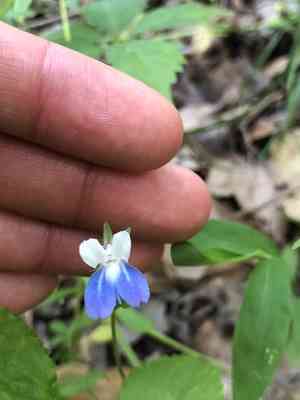
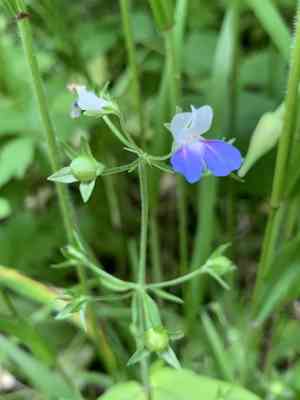


Quickly Identify Spring blue eyed mary
1
Collinsia verna can be identified by its distinctive two-lipped flowers, which are typically blue and white. The leaves are opposite, ovate, and finely toothed.
Scientific Classification of Spring blue eyed mary
Phylum
Vascular plants
Class
Dicotyledons
Order
Lamiales
Family
Plantain
Genus
Blue eyed Marys
Species
Spring blue eyed mary
Planting and Growing of Spring blue eyed mary
Care Difficulty
Easy
Watering Schedule
Every 3 days
Sunlight Requirements
Partial sun
Sunshine Duration
4-6 hours
Ideal Temperature
60-75℉
Soil Type
Potting Mix, Peat Mix
Soil pH
6.5-7.5
Fertilizer Type
Balanced
Pruning Season
Spring, Summer
Pruning Area
Branches, Leaves
Pruning Frequency
Once a year
Repotting Season
Spring
Pot Type
Plastic, Ceramic
 How to Water Spring blue eyed mary?
Collinsia verna prefers consistent moisture, so ensuring its soil remains damp to the touch is key. Never let it dry out completely, but avoid waterlogging. A general guideline is around 200 ml per watering session, ensuring the water reaches the root zone without sitting on top of the soil.
What are the symptoms of an underwatered Spring blue eyed mary?
›
What should I do if my Spring blue eyed mary is not getting enough water?
›
What are the symptoms of an overwatered Spring blue eyed mary?
›
How to save an overwatered Spring blue eyed mary?
›
 What Are the Sunlight Requirements for Spring blue eyed mary?
Partial sun to full sun suits Collinsia verna best. Adequate light promotes healthy blooming and bushy growth, while also intensifying the vibrant colors of the flowers and foliage. Balancing exposure ensures maximal aesthetic and health benefits.
More About Sunlight Requirements Techniques→
What is the best time for exposure?
›
How to ensure proper light allocation?
›
Benefits of ideal light conditions?
›
 What Is the Ideal Temperature Range for Spring blue eyed mary?
Collinsia verna thrives best in a temperature range of 60 to 75 °F. This range supports optimal growth, ensuring healthy foliage and vibrant blooms. Maintaining these temperatures promotes stable enzyme activity within the plant, essential for metabolic processes.
 What Soil is Best for Spring blue eyed mary?
Collinsia verna thrives in well-draining soil, which prevents the roots from sitting in waterlogged conditions. This helps avoid root rot and supports healthy growth and vibrant blooms. While this plant is not particularly demanding, it benefits from soil with moderate fertility. A balanced mix of nutrients encourages robust plant development and enhances blooming. The soil should retain moisture reasonably well. Consistent moisture is crucial to keep the plant hydrated, especially during dry spells, ensuring continuous growth and flowering.
 How to Fertilize Spring blue eyed mary?
For Collinsia verna, it's important to strike a balance with fertilizer application. Use a diluted liquid fertilizer at a quarter strength, around 1/4 teaspoon per gallon of water, to avoid overwhelming the plant. In terms of slow-release granules, a small sprinkle lightly covering the soil once in early spring should suffice.
 How to Prune Spring blue eyed mary?
Begin by removing any dead or damaged stems, cutting them down to the base. This promotes the plant's overall health and vitality. Use sharp, clean pruning shears to make clean cuts, avoiding any ragged edges that could lead to infection. To maintain its natural shape, prune back any overly tall or leggy stems. Trim them just above a leaf node to encourage bushier growth. This will help your Collinsia verna maintain its aesthetic appeal and promotes more prolific flowering.
More About Pruning Techniques→
 How to Propagate Spring blue eyed mary plant?
1
Begin by selecting viable seeds from a reliable source. Ensure the seeds are not damaged or discolored, as these are indicators of poor viability. It's also important to check the expiration date to guarantee freshness.
2
Prepare your seed trays by filling them with potting soil, ensuring the soil is evenly distributed. Lightly moisten the soil before planting, as overly wet conditions can promote fungal growth detrimental to seeds.
3
Scatter Collinsia verna seeds on the surface of the moistened soil. Cover them with a thin layer of potting soil, gently patting it down to ensure good seed-to-soil contact, which aids in germination.
 How to Repot Spring blue eyed mary plant?
1
Recognize the need to repot Collinsia verna when you see roots protruding from the drainage hole, or if the plant's growth has noticeably slowed. Spring is ideal since the plant is coming out of dormancy and will have ample time to adapt to its new space before its peak growing season.
2
Select a pot that is one size larger than the current one, with good drainage holes to allow excess water to escape. A slightly larger pot ensures the roots will have room to expand, reducing the risk of root rot and promoting healthier growth.
3
Opt for a well-draining loamy soil rich in organic matter, which provides essential nutrients and helps retain moisture without waterlogging. Such soil supports strong root development and vigorous plant growth, crucial for a thriving Collinsia verna.



