How Much Sunlight Do Tube clematis Need?
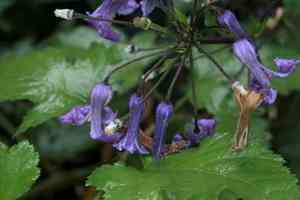
1
Tube clematis flourishes when exposed to more than six hours of direct sunlight.
2
The plant exhibits resilience in partial sun conditions, allowing flexibility in placement within a garden.
3
Consistent trimming helps avoid shadows, fostering more robust plant development.
Deciphering Light Needs for Tube Clematis
The Importance of Light for Tube Clematis
Light is fundamental for the vigorous development of Tube Clematis. This lively plant depends on sunlight to conduct photosynthesis, the process converting light into the energy required to thrive and produce its charming, hyacinth-like blooms. Without adequate sun, the plant may weaken, yield fewer flowers, and become more prone to pests and illnesses.
Different Light Conditions
Tube Clematis benefits from various light conditions including full sun, partial sun, and partial shade. Full sun means six or more hours of direct daylight daily, perfect for peak flowering. Partial sun, receiving around 3-6 hours, can still support growth, though with less vibrancy.
Optimal Light Exposure for Growth
For Tube Clematis, over 6 hours of daily sunlight is ideal. This level of exposure ensures the plant receives sufficient light for efficient photosynthesis, leading to robust growth and abundant blooms. However, in areas with extreme heat, some afternoon shade could be advantageous to prevent scorching.
Prime Spots for Tube Clematis Cultivation
Selecting a Well-Lit Location
When deciding where to plant your Tube Clematis, seek a location that gets full sun for at least part of the day. East or west-facing spots are often perfect, as they offer ample morning or afternoon sun while potentially shielding the plant from the most intense midday rays.
Considering Shade and Light Fluctuations
While light is essential, it's also crucial to consider areas that provide protection from excessive heat. Partial shade during the hottest period of the day can be advantageous, especially in warmer climates. These variations help maintain the plant's health and prevent leaf burn.
Indoor vs. Outdoor Light Requirements
Tube Clematis is primarily an outdoor specimen. However, if growing indoors, ensure it's near a south or west-facing window for ample light. Alternatively, supplementing with full-spectrum grow lights can emulate natural light conditions.
Enhancing Light Absorption for Tube Clematis
Pruning for Improved Light Access
Pruning is a vital method for maintaining the health of your Tube Clematis. Regularly remove any dead or overly dense branches to allow sunlight to penetrate the entire plant. This not only boosts light absorption but also improves air circulation, lowering the risk of fungal ailments.
Utilizing Reflective Surfaces
Strategically placing reflective materials around your clematis can help maximize the light it receives. Mirrors or light-colored stones can bounce sunlight onto lower sections of the plant, ensuring all areas get the illumination needed to prosper.
Thoughtful Companion Plant Arrangement
By positioning shorter companion plants around your Tube Clematis, you can prevent sunlight obstruction. Choose ground covers or low-growing blooms that won't overshadow your clematis, enabling it to absorb every ray of sun required for optimal growth.
Common Light Issues and Remedies for Tube Clematis
Indicators of Insufficient Light
Lack of light can manifest in Tube Clematis through various signs such as spindly growth, pale foliage, and reduced blooming. If you observe these symptoms, consider moving the plant to a sunnier position or trimming back nearby plants that might be casting too much shade.
Managing Excessive Light Exposure
In regions with intense sunlight, Tube Clematis might suffer from leaf scorch or wilting. To prevent this, provide partial shade during peak sun hours or use garden fabric to diffuse the light. Ensuring adequate watering can also shield the plant from the stress of too much direct sunlight.
Adapting Light Through the Seasons
As seasons shift, the amount and intensity of sunlight can vary greatly. In spring and fall, when sun exposure is lower, ensure your Tube Clematis gets enough light by pruning nearby plants and removing obstructions. During high summer, extra shading methods might be necessary to protect the plant from the scorching sun.



