How to Prune Tube clematis?
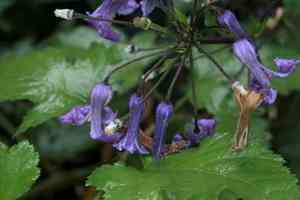
A robust, climbing perennial, tube clematis thrives with trimming to preserve its form, foster a denser habit, and enhance airflow. Perform pruning on tube clematis in late winter or early spring, eliminating any deceased or frail stems and shortening excessively long sections. Make cuts directly above a robust pair of buds or leaf nodes to stimulate fresh development. Consistent trimming boosts flowering, as the plant generates blossoms on the current season's shoots. Guarantee precise cuts to avert illness.
What Are the Benefits of Pruning Tube Clematis?
What Are the Benefits of Pruning Tube Clematis?
Trimming tube clematis promotes abundant flowering, encourages strong development, and maintains a desired shape. This procedure is crucial for revitalizing the plant and ensuring its continued health and vibrancy.
What Is the Best Time for Pruning Tube Clematis?
What Is the Best Time for Pruning Tube Clematis?
Pruning tube clematis in early spring is optimal as it allows for the removal of any dead or damaged stems before new growth emerges, leading to a healthier and more robust plant. This timing also ensures that pruning does not hinder the development of the current year's flowers, as tube clematis blooms on new growth. Winter pruning, while the plant is dormant, can be advantageous for shaping and controlling its size, as well as for eliminating any diseased or weak stems, thereby preventing potential issues in the upcoming growing season. Pruning during these periods helps to stimulate growth, enhance air circulation, and boost the overall flowering potential of tube clematis.
What Tools Do I Need to Prune Tube Clematis?
Hand Pruners
These are essential for making clean cuts on the thinner stems of tube clematis. Given tube clematis's relatively slender stems, bypass pruners are ideal for their precise cuts, which are vital for the plant's healthy regeneration. They are also easier to maneuver in confined areas within the plant's foliage.
Loppers
For thicker stems that hand pruners cannot manage, loppers provide the extra leverage needed for a clean cut. They are especially useful for reaching into the plant's interior or addressing higher growth without causing undue harm to the plant's structure.
Pruning Saw
If tube clematis has any woody, thick stems too large for hand pruners and loppers, a pruning saw is appropriate. The saw allows for cutting through significant wood without splintering, which is important for the plant's health.
Gardening Gloves
To protect the gardener's hands from thorns and sharp stem edges. Since tube clematis can have delicate stems and foliage, gardening gloves can also prevent accidental bruising or damage to the plant during the pruning process.
Disinfectant for Tools
To prevent the spread of disease, it is necessary to disinfect pruning tools before and after use on tube clematis. This ensures that the pruning process promotes the health and vitality of the plant by minimizing the risk of infection.
How to Prune Tube Clematis
Disinfect tools
Before starting, ensure all pruning tools are properly sanitized to prevent disease transmission to tube clematis.
Remove diseased leaves
Carefully trim off diseased leaves from tube clematis, taking care not to harm healthy parts of the plant.
Trim witheread and dead
Cut away withered leaves and dead branches. For withered flowers, use clean cuts to remove only the spent blossoms and stems.
Cut diseased branches
Identify and remove any diseased branches from tube clematis, trimming back to healthy tissue to prevent further infection.
Shape plant
Finally, shape tube clematis by selectively pruning overcrowded areas to improve air circulation and light penetration, which promotes healthy growth.
Common Pruning Mistakes with Tube Clematis
Over-pruning
Removing too much of tube clematis's growth in one session, which can stress the plant and lead to poor flowering or even plant death.
Cutting into old wood
Since tube clematis blooms on new growth, slicing into the woody stems from previous seasons may remove potential bloom sites and can damage the plant's natural structure.
Improper tool use
Utilizing dull or unclean pruning tools can create jagged cuts that are more susceptible to disease and can harm tube clematis's delicate stems.
Pruning at wrong stage
Cutting back tube clematis before it completes its bloom can reduce the number of flowers. It is essential to allow the plant to grow and only prune at the appropriate stage of its life cycle.
Neglecting plant health
Failing to assess the overall health of tube clematis before pruning can result in removing healthy, productive parts of the plant instead of targeting dead or diseased areas.
Common Pruning Tips for Tube Clematis
Identify dead or diseased stems
These should be the first parts removed to improve the health and appearance of tube clematis, promoting more vigorous growth and flowering.
Disinfect tools
Clean and sterilize all pruning tools before use on tube clematis to prevent the spread of pathogens and ensure clean cuts.
Make angled cuts
Cut at a 45-degree angle just above a set of strong buds to promote optimal healing and new growth on tube clematis.
Thin out
Remove any tangled or crowded stems to improve air circulation and light exposure, which helps tube clematis to thrive and reduces the likelihood of disease.
Routine maintenance
Regularly prune back the dead and weak stems of tube clematis after flowering to maintain plant vigor and shape, and encourage bountiful future blooms.



