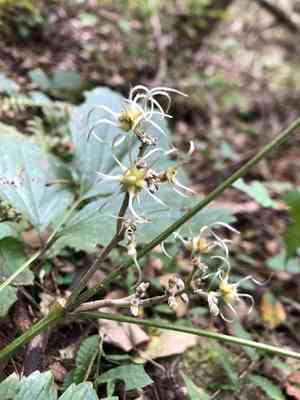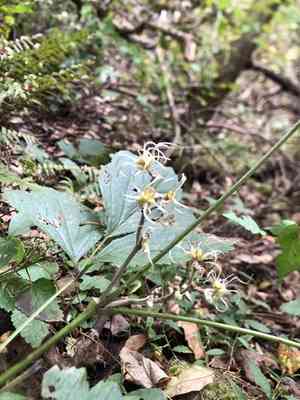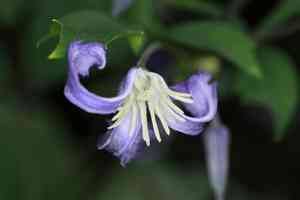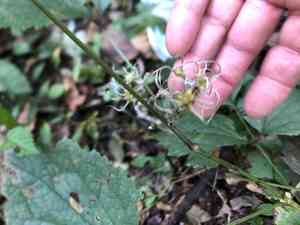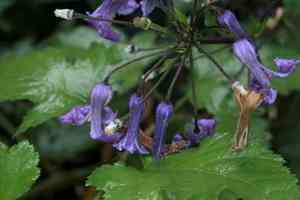
Tube clematis(Clematis heracleifolia)

Tube clematis (Clematis heracleifolia)

Also known as: Tube Clematis, Heracleifolia Tube Clematis

Clematis heracleifolia, commonly known as tube clematis, is a flowering plant species belonging to the buttercup family, Ranunculaceae. It originates from central and northern China. Unlike most clematis species, this plant has a scrambling growth habit rather than climbing. It typically reaches a height of about 1 meter and a width of up to 50 cm. This deciduous sub-shrub features broad, downy leaves grouped in threes and produces delicate clusters of elongated tubular blue flowers in late spring and summer, which mature into a trumpet shape. Occasionally, it may flower again in autumn. The Latin specific epithet "heracleifolia" translates to "with leaves resembling those of Heracleum" (hogweed), emphasizing the similarity in leaf appearance. The cultivar 'Cassandra', known for its fragrant flowers, has been awarded the Royal Horticultural Society's Award of Garden Merit.

Attributes of Tube clematis

Lifespan
Perennial
Plant Type
Herb
Plant Height
61 cm to 91 cm
Spread
60 cm
Leaf Color
Green
Flower Size
2.5 cm
Flower Color
Blue Purple

ForwardPlant - Identify plants with a snap

Identify and diagnose plants, get toxicity alerts, and explore safety guides for all types of fungi.

Try for Free

Images of Tube clematis

Tube clematis(Clematis heracleifolia)

Quickly Identify Tube clematis

1
Tube Clematis can be identified by its woody, semi-shrubby growth habit with sprawling stems. Its leaves are large, lobed, and resemble those of hogweed, which is why it is sometimes referred to as heracleifolia—named after Heracleum, the genus for hogweed.

Scientific Classification of Tube clematis

Phylum
Vascular plants
Class
Dicotyledons
Order
Buttercups, poppies and allies
Family
Buttercup
Genus
Clematis
Species
Tube clematis

Planting and Growing of Tube clematis

Care Difficulty
Easy
Watering Schedule
Every 4 days
Sunlight Requirements
Partial sun
Sunshine Duration
6-10 hours
Ideal Temperature
65-75℉
Soil Type
Potting Mix, Peat Mix
Soil pH
6-7.5
Fertilizer Type
Balanced
Pruning Season
Spring, Summer
Pruning Area
Branches, Leaves
Pruning Frequency
2 times a year
Repotting Season
Spring
Pot Type
Plastic, Ceramic

water icon How to Water Tube clematis?

Clematis heracleifolia requires a balanced watering approach. The soil should be kept evenly moist but not waterlogged. Water about 500 ml per session, enough to moisten the soil up to 15 cm deep, ensuring the roots get adequate hydration.
What are the symptoms of an underwatered Tube clematis?
What should I do if my Tube clematis is not getting enough water?
What are the symptoms of an overwatered Tube clematis?
How to save an overwatered Tube clematis?

sunlight icon What Are the Sunlight Requirements for Tube clematis?

Sunlight Requirements: Partial sun
Duration of light: 4 to 6 hours
Clematis heracleifolia ideally requires partial sun, enjoying 4 to 6 hours of light daily. Proper lighting encourages lush growth, vibrant blooms, and improved resistance to environmental stresses.
Optimal Sunlight Exposure
Potential Solutions for Sunlight Control
Benefits of Adequate Lighting
More About Sunlight Requirements Techniques

temperature icon What Is the Ideal Temperature Range for Tube clematis?

Ideal Temperature: 65 ~ 75℉
Clematis heracleifolia thrives best in temperatures ranging from 65°F to 75°F. This range is optimal as it allows the plant to absorb nutrients efficiently and facilitates healthy growth. Staying within this temperature helps in maintaining the vibrant color of flowers and prevents potential stress.

soil icon What Soil is Best for Tube clematis?

Soil type: Loam, Sandy loam
Soil PH: 6 ~ 7.5
Clematis heracleifolia thrives in nutrient-rich soil that provides essential elements for healthy growth. Ensuring a nutrient-rich environment helps maintain vibrant blooms and strong plant structure. This plant requires well-drained soil to prevent waterlogging, which can cause root rot. Proper drainage ensures the roots are healthy, preventing the plant from wilting and supporting overall vigor. While Clematis heracleifolia can tolerate some dryness, it prefers soil with moderate moisture levels. Consistent moisture supports continuous growth and helps sustain blossoming throughout the growing season.

fertilize icon How to Fertilize Tube clematis?

Fertilizer type: Balanced
For Clematis heracleifolia, apply a balanced liquid fertilizer, such as a 10-10-10 mix, at a rate of 1 tablespoon per gallon of water. This ensures the plant receives adequate nutrients without the risk of over-fertilization.

prune icon How to Prune Tube clematis?

Pruning Time: Spring, Summer
Start by removing any dead, damaged, or diseased wood. Cut back to healthy wood to ensure it's free from any infections. This encourages robust growth and reduces the risk of disease spreading. Prune to shape and control the size of the plant, cutting back stems to just above a pair of healthy, strong buds. This helps maintain the desired form while ensuring the plant doesn't overgrow its space. More About Pruning Techniques

propagate icon How to Propagate Tube clematis plant?

Propagate Time: Spring, Early spring, Late spring
1
Collect seeds from ripe pods at the end of the flowering season. Sow them immediately or store them in a cool, dry place until spring. Use a seed-starting mix and cover lightly with soil.
2
Select healthy stems and use pruning shears to cut below a node. Remove any leaves at the base and dip the cut end in rooting hormone before placing it in soil or water for rooting.
3
In early spring, dig up mature plants and separate the root clumps carefully. Replant the divisions in well-prepared soil, ensuring each has a good portion of roots and shoots.
More About Propagating Techniques

repot icon How to Repot Tube clematis plant?

Repotting frequency: Every 2-3 years
1
Clematis heracleifolia needs repotting when roots start protruding from the drainage holes or when the growth it produces seems to stall. The best time to do this is in early spring or late autumn, allowing the plant to settle before the full growth season.
2
Select a pot that's 1-2 inches larger in diameter than the current one. Ensure it has ample drainage holes to prevent waterlogging, which could damage the roots. A terracotta or ceramic pot is ideal for breathability, which helps to keep the roots healthy.
3
Go for a well-draining loamy mix with added organic matter. This type of soil supports Clematis heracleifolia by providing nutrients while preventing water accumulation around the roots, reducing the risk of root rot.

ForwardPlant - Identify plants with a snap

Find the best spots for them to optimize their health, simply using your phone.

Try for Free

Toxicity

Ingestion or significant physical contact with sap

Identify toxic plants for your safety

Learn which plants are harmful to you and your pets, and make informed choices for a safer home!

Try for Free
WARNING
The judgment on toxicity and danger is for reference only. We DO NOT GUARANTEE any accuracy of such judgment. Therefore, you SHALL NOT rely on such judgment. It is IMPORTANT TO SEEK PROFESSIONAL ADVICE in advance when necessary.