How Much Sunlight Do Bitter orange Need?
1
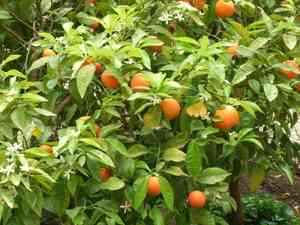
For optimal growth, Bitter orange requires over six hours of direct sun daily.
2
Although Bitter orange can survive in partial shade, it will exhibit less vigorous growth and yield fewer fruits.
3
Relocating your Bitter orange throughout the seasons can help maximize its access to sunlight.
Optimal Light Conditions for Bitter Orange
Full Sun vs. Partial Shade for Bitter Orange
For successful Bitter Orange cultivation, understanding its light requirements is critical. This heliophilic (sun-loving) plant thrives in full sun, necessitating a minimum of 6 hours of direct sunlight daily. Under full sun exposure, the plant will exhibit stronger growth, more vibrant foliage, and increased fruit yield. However, in regions with intense afternoon sun, providing some filtered shade during peak heat can prevent leaf scorching.Conversely, Bitter Orange can endure partial shade, but it's important to note this may result in slower development and reduced fruiting. The ideal scenario usually involves keeping the plant in full sun for most of the day, with partial shade offered only when necessary to protect it.
Seasonal Sunlight Changes
Grasping how sunlight varies seasonally will help you care for your Bitter Orange year-round. During spring and summer, days are longer and light intensity is higher, which is perfect for the plant's vigorous growth phase. Throughout these months, ensure your Bitter Orange receives ample sunlight by positioning it optimally in your garden or rotating its pot regularly.In autumn and winter, the sun's angle changes, leading to shorter days and less intense light. This means your Bitter Orange may not get the same strong light as in summer. Observing light patterns and making adjustments, such as moving the plant to a brighter location, can help sustain its health and productivity.
Positioning Your Bitter Orange for Best Sunlight
Prime Planting Locations
Selecting the correct planting site for your Bitter Orange is essential to ensure it gets sufficient sunlight. If planting directly into the ground, choose a spot that receives full sun for the majority of the day. South-facing areas are often preferred in the Northern Hemisphere for their year-round maximum sun exposure. Additionally, confirm the site is clear of large trees or structures that could create shade.For Bitter Orange grown in containers, their portability is a significant benefit. You can easily relocate the plant to follow the sun. During warmer periods, a sunny patio or balcony is an excellent choice. Just make sure the chosen spot offers enough light while shielding the plant from intense midday sun if needed.
Adapting Position Throughout the Year
The sunlight needed for optimal Bitter Orange development isn't constant all year, requiring changes in the plant's placement. In spring and summer, locations with high sun exposure will most benefit your plant. However, in fall and winter, you might notice decreased light levels. In such instances, moving the plant to a position that maximizes exposure to the limited available sunlight can ensure it continues to receive the light it needs.If growing indoors, observe how light shifts through your windows seasonally. A south or west-facing window is generally best for maximizing light in winter. If possible, periodically rotate the pot to promote even growth, as plants tend to orient themselves towards the light source.
Indicators of Too Much or Too Little Sun for Your Bitter Orange
Signs of Excessive Sunlight Exposure
While sunlight is beneficial, an overabundance can harm your Bitter Orange. Look for indications of overexposure, such as scorched or sunburned leaves, which frequently appear brown and brittle. Furthermore, you'll observe leaf edges beginning to curl and dry out, potentially diminishing the plant's overall vitality.If these symptoms appear, try to provide filtered shade, especially during the hottest part of the day. A straightforward solution like placing a lightweight shade cloth over the plant can shield it without severely reducing its necessary light levels.
Signs of Insufficient Sunlight
Inadequate sunlight can also negatively impact your Bitter Orange. Common symptoms include weak, elongated growth and leaves that are pale or yellow. The plant may also produce fewer flowers and fruits, as sunlight is crucial for energy generation through photosynthesis.If these signs emerge, the solution involves moving the plant to a brighter location. Consider pruning any nearby plants or branches that might be casting shadows, and ensure the spot receives ample direct sunlight throughout the day.
Tips for Enhancing Sunlight Exposure for Indoor Bitter Orange Plants
Selecting the Appropriate Window
Cultivating Bitter Orange indoors demands strategic placement to optimize sunlight reception. Positioning your plant near a south-facing window is ideal, as these windows typically receive the most light throughout the day. West-facing windows are also a good choice, offering bright afternoon sunlight.However, be aware that direct sunlight filtering through windows can sometimes be overly intense, potentially leading to leaf sunburn. In such cases, using sheer curtains to diffuse the light can help provide an adequate yet gentle light source for your plant.
Utilizing Grow Lights
When natural sunlight is insufficient, particularly in winter, grow lights can be invaluable for indoor Bitter Orange plants. Full-spectrum LED grow lights that emulate natural sunlight are the best options. Position the grow lights approximately 6-12 inches (15-30 cm) above the plant and operate them for about 12-16 hours daily to supplement natural light.Ensure to monitor the plant's reaction by regularly observing its growth and leaf coloration. Adjust the light's intensity or duration if you notice any unfavorable symptoms like leaf discoloration or overheating.



