How Much Sunlight Do White Turtlehead Need?
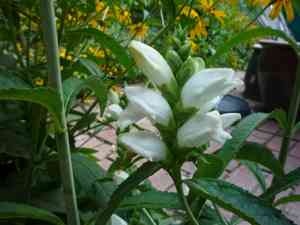
1
White Turtlehead flourishes optimally in areas with some sun, preferably getting around 3-6 hours of daily sunlight.
2
Early day sun is especially advantageous since it's less strong and promotes development without scorching.
3
During peak summer, offering partial shade or employing a reflective barrier can avert excessive exposure to strong sun rays.
Optimal Light Requirements for White Turtlehead
Understanding Its Natural Environment
The White Turtlehead is a perennial plant typically found in wetlands, forests, and along North American waterways. It naturally thrives in areas where sunlight filters through tree canopies. This natural setting suggests that while it can endure full sun, it flourishes best in partial shade. Replicating these conditions in your garden promotes healthier, more vibrant plants.
Partial Shade vs. Full Sun: Which is Better?
While the White Turtlehead can withstand full sun, partial shade is generally preferred for optimal growth. Full sun, defined as over 6 hours of direct sunlight, may cause leaf scorching or stress, particularly in warmer climates. Instead, providing 3-6 hours of direct morning sunlight, followed by afternoon shade, balances its light needs without overexposure risk.
Advantages of Morning Sun
Morning sunlight is less intense than midday sun, reducing the chance of leaf burn and moisture loss. This gentle light period allows the White Turtlehead to photosynthesize efficiently, encouraging robust growth and abundant flowering. Morning rays also help dry dew, lowering the risk of fungal diseases. Ensuring ample morning light is crucial for a thriving plant.
How to Ensure White Turtlehead Receives Adequate Sunlight
Selecting the Correct Garden Location
When choosing a planting spot for your White Turtlehead, pick a location that gets morning sun and afternoon shade. Placing it beneath a tree canopy or beside taller plants that offer dappled shade works well. In cooler regions, you might choose a spot with more direct sunlight, but always observe the plant for signs of stress.
Utilizing Reflective Surfaces
If your garden has limited direct sunlight, employing reflective surfaces like mirrors or white walls can boost available light. These surfaces bounce indirect sunlight onto the plant, enhancing growth without exposing the White Turtlehead to harsh direct rays. This method is especially useful in garden areas shaded by structures or dense foliage.
Preventing Common Sunlight-Related Issues
To avoid problems such as leaf burn or stunted development, do not place White Turtlehead in locations with intense, all-day sunlight, especially in summer. Ensure the plant isn't overshadowed by thick foliage, which can lead to insufficient light. Regularly check the plant for stress indicators and adjust its position or the amount of shade it receives accordingly.
Adjusting Sunlight Conditions for White Turtlehead Seasonally
Maximizing Winter Sunlight
During winter, when daylight hours are shorter and the sun is weaker, position your White Turtlehead in areas receiving the most sun. Pruning overhead branches or using reflective surfaces can help maximize available sunlight. If grown indoors, consider using grow lights to supplement natural light and maintain plant health during darker months.
Protecting from Summer Intensity
In summer, intense midday sun can be too harsh for White Turtlehead. To prevent leaf burn, ensure the plant receives shaded protection during peak sunlight hours. Using shade cloths or moving potted plants to a shadier spot can help manage light exposure. Consistent early morning watering can also keep the plant hydrated and less prone to sun damage.
Indicators of Incorrect Sunlight for White Turtlehead
Identifying Sun-Scorched Leaves
Sunburn in White Turtlehead typically appears as brown or bleached spots on the leaves, signaling excessive direct sunlight. If these symptoms are observed, move the plant to a shadier location, particularly during midday. Ensure the soil is adequately moist but not waterlogged to aid recovery.
Signs of Light Deprivation
If the White Turtlehead isn't getting enough sunlight, it might show signs like leggy growth, fewer blooms, or pale, yellowing leaves. Relocate the plant to a brighter spot and trim back any overhead foliage blocking necessary light. Regularly monitor its progress and adjust its light exposure as needed.
Modifying Sunlight Exposure
To fine-tune sunlight exposure for your White Turtlehead, observe its growth patterns and leaf coloration. Gradually adjust its placement, alternating between more sun and shade based on the plant's reaction. Use temporary shading devices like garden umbrellas during extreme weather changes and ensure consistent checks to maintain optimal lighting conditions.



