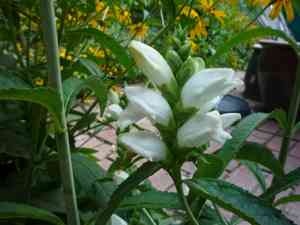
White Turtlehead (Chelone glabra)
Also known as: White Turtlehead
The Chelone glabra, commonly known as white turtlehead due to its flowers' resemblance to a turtle's head, is a herbaceous plant. It generally reaches a height of 2 to 3 feet (61 to 91 cm) and produces its characteristic blooms from summer to fall.
In This Article
Attributes of White Turtlehead
Lifespan
Perennial
Plant Type
Herb
Plant Height
20 cm to 2.5 m
Spread
45 cm to 75 cm
Leaf Color
Green
Flower Size
2.5 cm to 4 cm
Flower Color
White Pink
Images of White Turtlehead
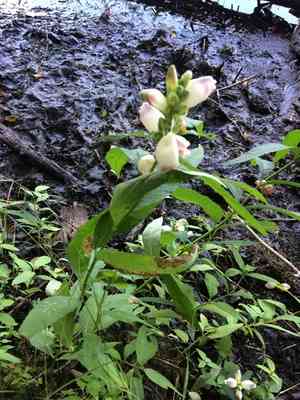
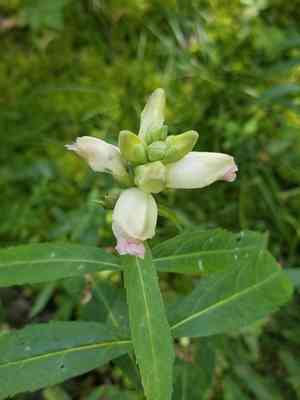
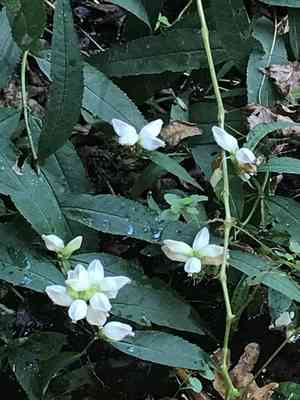
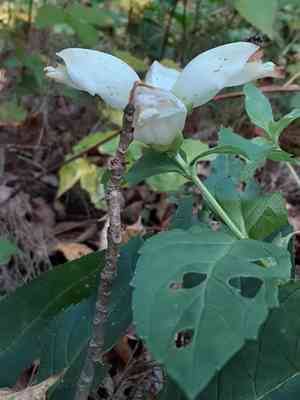
Quickly Identify White Turtlehead
1
Distinctive flower spikes reaching 6-8 inches in height, blooming successively from late summer to fall.
2
Upper lip of flowers arches over lower lip resembling a snapdragon or turtlehead.
3
Oval-shaped seed capsule with uniquely flattened seeds bearing broad wings for dispersal.
4
Leaves narrow, sharply toothed, growing in pairs at right angles with prominent veins.
5
Green stem, round or square in cross-section, branching at nodes in an opposite pattern.
Scientific Classification of White Turtlehead
Phylum
Vascular plants
Class
Dicotyledons
Order
Lamiales
Family
Plantain
Genus
Chelone
Species
White Turtlehead
Planting and Growing of White Turtlehead
Care Difficulty
Easy
Watering Schedule
Every 4 days
Sunlight Requirements
Full sun
Sunshine Duration
6-12 hours
Ideal Temperature
60-75℉
Soil Type
Potting Mix, Peat Mix
Soil pH
5.5-7.5
Fertilizer Type
Balanced
Pruning Season
Spring, Summer
Pruning Area
Branches, Leaves
Pruning Frequency
2 times a year
Repotting Season
Spring
Pot Type
Plastic, Ceramic
 How to Water White Turtlehead?
The turtlehead plant, also known as Chelone glabra, requires a moderate yet consistent watering approach. The goal is to keep the soil evenly moist, simulating its natural wetland habitat. Pour about 500 ml of water per session, ensuring that the topsoil remains damp without being soggy.
What are the symptoms of an underwatered White Turtlehead?
›
What should I do if my White Turtlehead is not getting enough water?
›
What are the symptoms of an overwatered White Turtlehead?
›
How to save an overwatered White Turtlehead?
›
 What Are the Sunlight Requirements for White Turtlehead?
Chelone glabra enjoys partial to full sun. This lighting fosters compact growth and vibrant blooms, which are essential for the plant's reproductive success and longevity.
More About Sunlight Requirements Techniques→
Optimal Duration of Sunlight
›
Sunlight Timing Strategy
›
Sunlight Angle Consideration
›
 What Is the Ideal Temperature Range for White Turtlehead?
Chelone glabra thrives best within temperatures ranging from 60°F to 75°F. This range supports optimal growth, flowering, and overall health of the plant. Within this range, plants can efficiently carry out photosynthesis and maintain physiological balance.
 What Soil is Best for White Turtlehead?
Chelone glabra thrives in moist conditions, but it's crucial to have soil that drains well to prevent root rot. Opt for loamy or sandy loam soils that maintain moisture without becoming waterlogged, providing an ideal balance for the plant. This plant prefers slightly acidic to neutral soil conditions with a pH between 5.5 and 7.5. Maintaining this range ensures optimal nutrient availability, enhancing the health and vibrancy of the foliage. A soil rich in organic content, such as compost or well-decomposed leaf litter, supports the robust growth of Chelone glabra by improving soil structure, providing nutrients, and sustaining beneficial soil organisms.
 How to Fertilize White Turtlehead?
Chelone glabra benefits from a balanced fertilizer with an N-P-K ratio of 10-10-10 at half the recommended strength. Apply 1 tablespoon per gallon of water for liquid fertilizers, ensuring uniform coverage over the root zone.
 How to Prune White Turtlehead?
Always sterilize your pruning shears before use to prevent the spread of diseases. This simple step is crucial for maintaining the health of Chelone glabra and ensuring successive flowering seasons. Begin by cutting away any dead or damaged stems at their base. This clears out space and light for new growth and keeps the plant vigorous and productive. Focus on thinning the plant to allow sunlight to reach the center. Cut back leggy or unruly growth to maintain a balanced shape, allowing Chelone glabra to thrive aesthetically and healthily in your garden space.
More About Pruning Techniques→
 How to Propagate White Turtlehead plant?
1
For Chelone glabra, use a well-draining potting mix with adequate moisture retention. Adding perlite or vermiculite to the mix can improve aeration, which is essential for root development. Ensure the soil is sterile to prevent fungal diseases that can affect germination.
2
Sow the seeds on the soil surface and lightly cover them with a thin layer of soil. Keep the soil consistently moist but not waterlogged. Provide indirect sunlight and maintain a warm environment to enhance germination rates, which can vary from two to six weeks.
3
Select healthy shoots from the parent plant during late spring. Cut 4-6 inch long sections, remove the lower leaves, and dip the cut end in rooting hormone. Plant the cuttings into a moist, sterile rooting medium and cover with a plastic dome to maintain humidity.
 How to Repot White Turtlehead plant?
1
For Chelone glabra, the best time to repot is when you notice it becoming root-bound, with roots growing out of the drainage holes or circling the pot. It often happens every couple of years. Another signal to look for is reduced growth or yellowing leaves, which suggest the plant might need fresh soil and more space for development.
2
Select a pot that's one size larger than the current one with good drainage holes. A slightly bigger pot allows space for root growth, preventing the plant from becoming root-bound too quickly. Clay pots are a good option as they allow moisture to evaporate, reducing the risk of overwatering.
3
Opt for a rich, well-draining soil mix to ensure nutritious support and proper drainage. This will accommodate Chelone glabra’s preference for moist soil while preventing issues related to waterlogging. A mix of peat, perlite, and a bit of compost works excellently.



