How to Prune White Turtlehead?
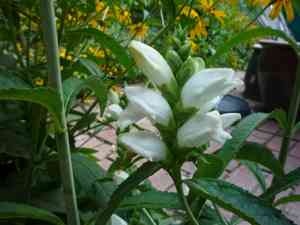
Showcasing hooded, pale blossoms that evoke a turtle's cranium, white Turtlehead thrives in damp ground. Trimming ought to happen post-bloom to foster a fuller shape and deter self-propagation. Reduce stems by one-third in springtime for more compact development. Remove faded flowers in summer and autumn to preserve appearance and vitality. Gentle thinning improves air movement, which is vital for white Turtlehead's well-being. Pruning while the plant is inactive increases the chance of winter harm and should be refrained from.
What Are the Benefits of Pruning White Turtlehead?
What Are the Benefits of Pruning White Turtlehead?
Trimming white Turtlehead promotes more abundant flowering, revitalizes growth, and maintains its desired shape for visual appeal and garden compatibility.
What Is the Best Time for Pruning White Turtlehead?
What Is the Best Time for Pruning White Turtlehead?
Pruning white Turtlehead in late spring coincides with the period after blooming, allowing for the removal of spent flowers, which encourages further development and prevents the plant from using energy on seed production. Early summer is ideal for light trimming to maintain form and encourage a bushier habit, ensuring the plant has enough time to recover and produce new buds for the next flowering cycle. Early fall is suitable for removing any dead or diseased foliage and for shaping the plant before dormancy; this must be done well before the first frost to avoid new growth that could be damaged by cold weather. These seasons ensure the health and vitality of white Turtlehead, as well as optimal blooming in its natural growth cycle.
What Tools Do I Need to Prune White Turtlehead?
Bypass Hand Pruners
These pruners are perfect for cleanly cutting through the soft stems of white Turtlehead without crushing plant tissue, as they feature a sharp, curved blade that operates like scissors. This tool is crucial for precise cuts when thinning or shaping the plant.
Gardening Gloves
Given the need to protect one's hands while pruning white Turtlehead, a good pair of gloves will guard against thorns and potential skin irritants that can be present when handling plants and garden tools.
Pruning Saw
For older, woodier stems or for more extensive pruning of white Turtlehead, a small pruning saw is appropriate for cutting through thicker branches that bypass pruners cannot handle effectively.
How to Prune White Turtlehead
Disinfection
Before beginning the pruning process, sanitize your pruning shears or scissors with a solution of one part bleach to nine parts water to prevent the spread of diseases among plants.
Diseased Leaves
Carefully inspect white Turtlehead for any diseased leaves, which often display signs such as discoloration, spots, or decay. Using your disinfected shears, snip these leaves off at the base where they meet the stem, taking care not to harm healthy tissue.
Withered Leaves Flowers
Look for withered or dead leaves and spent flower heads on white Turtlehead. Trim these off just above a set of leaves or a growth node. This encourages new growth and helps maintain the plant's vigor and appearance.
Clean Up
After pruning white Turtlehead, remove all debris from around the base of the plant. This will help prevent the development of fungal diseases and eliminate potential habitats for pests.
Post Pruning Care
Water white Turtlehead thoroughly after pruning to minimize stress on the plant and to support recovery and new growth. Avoid overwatering, as white Turtlehead prefers moist but well-drained soil.
Common Pruning Mistakes with White Turtlehead
Overpruning
Removing too much foliage can stress white Turtlehead and reduce its ability to photosynthesize, which is vital for its growth and blooming.
Improper cutting
Cutting too close to the main stem or too far from it can create wounds that don't heal properly, making white Turtlehead vulnerable to pest infestations or diseases.
Pruning at wrong growth stage
Pruning white Turtlehead during active growth can disrupt its growth cycle and flowering potential.
Not sterilizing tools
Using dirty tools can introduce diseases to the white Turtlehead, which may lead to infection and poor health.
Ignoring plant shape
Cutting without understanding the natural shape of white Turtlehead can lead to an unnatural appearance and potentially harm the plant's structural integrity.
Common Pruning Tips for White Turtlehead
Selective pruning
Focus on removing only the dead, diseased, or damaged stems of white Turtlehead to improve its overall health and aesthetic appeal without compromising its vigor.
Cutting technique
Make sure to cut at an angle to prevent water from sitting on the cut surface, which can promote rot or disease in white Turtlehead.
Cleaning tools
Always use sterilized pruning shears or scissors to prevent transferring diseases between plants when pruning white Turtlehead.
Maintaining plant architecture
Consider the natural shape and growth pattern of white Turtlehead while pruning to maintain its structural beauty and encourage better airflow within the foliage.
Judicious thinning
Thin out the interior of white Turtlehead if necessary, to improve light penetration and air circulation, which can help reduce disease occurrence and promote more vigorous growth.



