How Much Sunlight Do Bearded beggarticks Need?
1
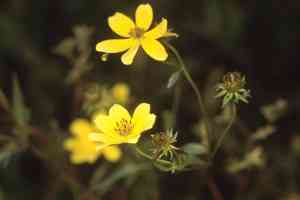
Bearded beggarticks flourish in direct sunlight but can endure some shade.
2
Target approximately 3-6 hours of daily sun exposure for peak development.
3
Observe indicators such as stretched stems or faded foliage, signaling insufficient light.
Optimal Light Conditions for Bearded beggarticks
Full Sun Requirements
Bearded beggarticks thrive best with full sun exposure. This means they require a minimum of six hours of direct sunlight daily. Ample sun ensures these plants develop robustly and produce vibrant blooms.
Partial Sun Tolerance
While full sun is preferred, Bearded beggarticks can also endure partial sun environments. This translates to receiving approximately 3-6 hours of sunlight each day. If your garden lacks full sun, these resilient plants can still flourish and flower beautifully with partial sun exposure.
Daylight Duration
The amount of daylight your Bearded beggarticks receive significantly impacts their development. Aim for a consistent daily sunlight duration. During extended summer days, they'll naturally get more light, but in shorter winter days, consider their placement for optimal light absorption.
Placing Bearded beggarticks in Your Garden
Prime Spots for Sunlight
To maximize sun exposure, position your Bearded beggarticks in garden areas that receive the most sunlight. South-facing locations are typically ideal in the Northern Hemisphere, as they get the most consistent light throughout the day.
Avoiding Obstructions
Ensure your Bearded beggarticks are not shaded by larger plants or structures. Avoid planting them near tall trees, buildings, or fences that could block sunlight. Clear paths for sunlight to reach them unhindered for at least part of the day.
Impact of Seasonal Changes on Sunlight Needs
Summer vs. Winter Sunlight
In summer, Bearded beggarticks will naturally receive more sunlight due to longer days. This is a period of vigorous growth and flowering. However, in winter, with shorter days, they need careful placement to ensure they still get their daily sunlight.
Adapting to Daylight Variations
As seasons shift, adjust the positioning of your Bearded beggarticks if necessary. You might need to relocate potted plants to sunnier spots during autumn and winter. For garden plants, consider temporary reflective materials or garden mirrors to enhance sunlight during darker months.
Signs Bearded beggarticks is Getting Insufficient Sunlight
Identifying Sunlight Deficiency Symptoms
A lack of adequate sunlight can lead to several recognizable symptoms in Bearded beggarticks. Look for etiolated growth â where stems lengthen and become thin â and pale or yellowing leaves. These signs indicate the plant is stretching to find more light.
Sunlight-Related Growth Problems
If your Bearded beggarticks arenât receiving enough sunlight, they may also exhibit stunted growth and fewer, smaller blooms. Address these issues by moving them to a sunnier location and ensuring they meet their daily sunlight requirements.
Maximizing the Benefits of Sunlight for Bearded beggarticks
Supplementing Natural Sunlight
If natural sunlight is insufficient, especially during winter, consider supplementing with artificial grow lights. Position these lights approximately 30 cm (12 inches) above the plants and operate them for about 12-16 hours daily to mimic natural sunlight.
Pruning and Sunlight Exposure
Regular pruning can help ensure your Bearded beggarticks get maximum sunlight exposure. Remove any dead or excessive foliage that could shade the healthy parts of the plant. Pruning not only improves light access but also encourages better air circulation, contributing to overall plant health.



