How to Prune Bearded beggarticks?
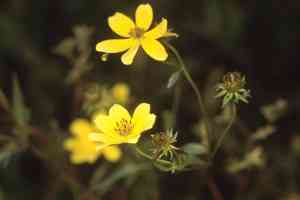
Sporting bright yellow blossoms and burr-like seeds, Bidens aristosa flourishes in diverse settings. Essential trimming methods include removing spent flowers to stimulate additional blooming and shortening elongated or sparse stalks to foster denser development. The most effective time for pruning spans from early spring through late autumn, coinciding with its developmental period. Consistent trimming aids Bidens aristosa by preserving plant vigor and deterring unwanted self-seeding. Caution is advised against excessive pruning, as this may diminish the floral display.
What Are the Benefits of Pruning Bearded Beggarticks?
What Are the Benefits of Pruning Bearded Beggarticks?
Trimming bearded beggarticks promotes vigorous development by eliminating dead or diseased foliage and maintains its form, preventing excessive growth and potential shading of nearby plants.
What Is the Best Time for Pruning Bearded Beggarticks?
What Is the Best Time for Pruning Bearded Beggarticks?
Pruning bearded beggarticks in early spring is beneficial as it encourages robust new growth following winter dormancy. This period allows for the removal of any dead or damaged stems before the start of active growth. The timing also aligns with the plant's natural renewal cycle. Late fall is another suitable time for pruning bearded beggarticks since the plant's growth slows as it prepares for dormancy. Pruning then helps shape the plant and removes spent flowers, preventing self-seeding if seed dispersal is not desired. These times avoid the main flowering season, thus preserving the plant's blooming potential while maintaining its overall health and appearance.
What Tools Do I Need to Prune Bearded Beggarticks?
Hand Pruners
Perfect for making accurate cuts on bearded beggarticks. These are specifically designed for cutting through stems and small branches typically under 1/2 inch in diameter.
Pruning Shears
These are similar to hand pruners but may offer extra leverage for slightly larger stems. Since bearded beggarticks might have somewhat thicker clusters, these shears could be useful.
Gloves
To safeguard hands from thorns or rough stems while trimming bearded beggarticks, especially during extensive pruning sessions to maintain plant shape and foster healthy growth.
Garden Scissors
Suitable for snipping soft stems and removing faded flowers of bearded beggarticks without harming the plant's structure.
Bypass Pruners
With their curved, scissor-like design, bypass pruners create clean cuts on living growth, which is vital for minimizing harm to bearded beggarticks.
How to Prune Bearded Beggarticks
Step1: Tool Preparation
Prepare your trimming tools. Use clean, sharp, and disinfected shears to minimize the risk of infecting bearded beggarticks with diseases. Ensure pruning tools are well-maintained for precise cuts.
Step2: Plant Health Assessment
Evaluate the overall health and structure of bearded beggarticks. Identify overgrown stems, spent flowers, and damaged stems that need trimming. Look for stems that are crossing or rubbing against each other, which can lead to wounds and infections.
Step3: Removing Damaged Stems
Begin pruning by removing any damaged or diseased stems. Cut these stems back to healthy tissue, making the cut at a 45-degree angle about 1/4 inch above a leaf node or bud. This encourages new growth and improves air circulation.
Step4: Deadheading Spent Flowers
Trim spent flowers to encourage more blooms and maintain the plant's appearance. Remove faded or dead flowers, using your shears to snip the flower stem just above the first set of healthy leaves. This helps redirect the plant's energy into producing new growth and flowers.
Step5: Shaping and Size Control
Trim overgrown stems to maintain the desired shape and size of bearded beggarticks. Make cuts at a 45-degree angle, just above a leaf node or a branching point. Be conservative with your cuts, removing no more than one-third of the stem's length at a time to avoid stressing the plant.
Step6: Thinning for Light and Airflow
Thin out dense areas to improve light penetration and air flow within the canopy of bearded beggarticks. Remove some of the interior stems by cutting them back to their point of origin or a main stem. This not only shapes bearded beggarticks but also helps prevent disease by improving ventilation.
Step7: Cleanup After Pruning
After pruning, clear away all trimmings from around bearded beggarticks to discourage pests and diseases from settling in the area. Compost healthy trimmings and dispose of any diseased or insect-infected material.
Step8: Post-Pruning Watering
Water bearded beggarticks after pruning to help reduce stress and support recovery. Ensure proper watering according to the plant's needs, keeping in mind that freshly pruned plants may require slightly more attention to moisture levels.
Step9: Post-Pruning Monitoring
Monitor bearded beggarticks for new growth and health issues following pruning. Pruning can sometimes lead to stress and vulnerability to diseases, so keep an eye out for any signs of distress, and manage them promptly.
Post-Pruning Care for Bearded Beggarticks
Post-Pruning Care for Bearded Beggarticks
Immediately after trimming bearded beggarticks, ensure clean cuts for quick healing. Post-pruning, maintain moderate light, avoiding intense direct sun that might stress freshly cut areas. Keep bearded beggarticks in a stable environment with consistent humidity and temperatures, avoiding extremes. Apply a balanced fertilizer to replenish nutrients and support new growth. Monitor regularly for signs of stress, such as wilting or discoloration. If signs of infection appear, like unusual spotting or decay, act promptly with appropriate fungicides or pest control measures.
Common Pruning Mistakes with Bearded Beggarticks
Avoid Over-Pruning
Trimming too aggressively can lead to stress and potential harm to bearded beggarticks. It's important not to remove more than one-third of the plant at any pruning session to maintain its health and vitality.
Deadheading Neglect Leads to Less Blooms
Failing to remove spent blooms or deadhead can result in bearded beggarticks directing energy into seed production rather than growth and subsequent blooms. Regularly removing spent flowers encourages more blooms.
Always Use Sharp and Clean Pruning Tools
Using dull or dirty pruning tools can create jagged cuts that are susceptible to disease and pests. Always use clean, sharp tools to make clean cuts that heal quickly.
Common Pruning Tips for Bearded Beggarticks
Thin Out Center for Better Air Flow
Focus on thinning the center of bearded beggarticks to promote air circulation and reduce the risks of fungal diseases. Remove any crowded stems or those that are crossing over and rubbing against each other.
Regular Deadheading for More Blooms
Cut back the spent flowers of bearded beggarticks to encourage a second flush of blooms. Deadheading is essential for prolonged blooming and should be done consistently throughout the blooming period.
Prune Post-Bloom for Shape and Health
Prune for shape and size control after the blooming period, being careful to maintain the natural form of bearded beggarticks. This will ensure that the plant looks tidy and blooms well in the following season.



