How Much Sunlight Do Pink bauhinia Need?
1
Pink bauhinia flourishes with over 6 hours of direct sun each day.
2
Although it can endure some shade, Pink bauhinia prefers complete sun exposure for peak development.
3
Modify your watering routine if Pink bauhinia gets too much sun to avoid drying out.
The Importance of Sunlight for Pink Bauhinia
Photosynthesis Mechanism
Sunlight is crucial for Pink bauhinia as it powers the photosynthesis process. Through photosynthesis, the plant transforms solar energy, water, and carbon dioxide into glucose, its energy source for growth and development. Insufficient sunlight significantly impedes this process, negatively impacting the plant's health, resulting in weaker growth and fewer blossoms.
Developmental Patterns
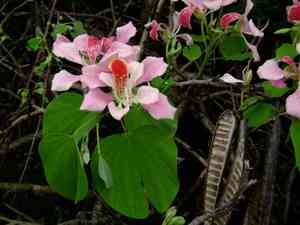
Pink bauhinia's growth patterns are greatly influenced by sunlight. With adequate light, the plant exhibits vigorous growth, showcasing its full foliage and beautiful pink blooms. Sunlight stimulates chlorophyll production, which gives leaves their green color and aids in their full expansion. In essence, sunlight is vital not just for survival but for the plant's flourishing and thriving.
Optimal Sunlight Requirements for Pink Bauhinia
Direct vs. Indirect Illumination
Pink bauhinia thrives best in direct sunlight, receiving full, unfiltered rays for most of the day. While it can endure partial sun, the plant might not grow as luxuriantly or produce as many flowers. If direct sunlight isn't available, ensuring it gets at least some bright, indirect light can be a compromise, though less ideal.
Ideal Daily Sunlight Exposure
The optimal daily sunlight exposure for Pink bauhinia is a minimum of 6 to 8 hours. This aligns with the plant's preference for full sun conditions. Consistent sunlight exposure for this duration promotes healthy growth and abundant flowering. Position the plant where it can receive morning or afternoon sun for the best outcomes.
Adapting Sunlight for Indoor and Outdoor Pink Bauhinia
Indoor Placement Recommendations
For indoor Pink bauhinia, placement is critical. Choose a south-facing window to ensure the plant receives ample sunlight throughout the day. Rotating the plant periodically ensures uniform growth, as different parts of the plant get light. If natural sunlight is insufficient, consider using grow lights to supplement and maintain its vitality.
Outdoor Cultivation Advice
Pink bauhinia flourishes outdoors in full sun. When planting outside, select a location that receives direct sunlight for most of the day. Ensure the soil drains well to prevent waterlogging, which can be harmful, especially with high sun exposure. Regularly check the plant for signs of sunburn or dehydration, particularly during extreme summer conditions.
Indicators of Insufficient or Excessive Sunlight in Pink Bauhinia
Symptoms of Inadequate Sunlight
A lack of sunlight can weaken Pink bauhinia, leading to signs like leggy growth, where stems stretch towards light, and smaller, pale leaves. Flowering may be scarce or absent, and the plant can become more prone to diseases. If these symptoms appear, gradually move the plant to a sunnier spot to acclimate it to more light without causing shock.
Symptoms of Overexposure to Sunlight
While Pink bauhinia loves sunlight, too much direct light, especially during peak afternoon hours, can cause leaf burn, characterized by browning or crispy edges on the leaves. The plant may also show signs of dehydration, such as drooping or wilting. If these symptoms occur, consider providing temporary shade or increasing watering frequency.
Safeguarding Pink Bauhinia from Extreme Sunlight
Utilizing Shade Cloth
In conditions of extreme sunlight, using a shade cloth can be beneficial for protecting your Pink bauhinia. A shade cloth can filter some of the harsh rays, providing the plant with gentler light while still allowing sufficient sunlight for photosynthesis. Choose a cloth that reduces light by approximately 20-40% for optimal results.
Adjusting Irrigation Schedule
Adjusting your watering schedule is vital when Pink bauhinia is exposed to extreme sunlight. Increased water evaporation means the plant may need more frequent watering to stay hydrated. Check the soil regularly; if it's dry 2-3 cm (1 inch) deep, it's time to water. This practice helps prevent stress from both excessive sunlight and dehydration.



