The Pink bauhinia Plant Advantage: Maximizing Home and Office Appeal and Wellness
1
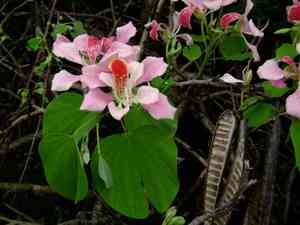
Pink bauhinia is recognized for its beautiful pink blossoms that draw in beneficial insects.
2
This plant flourishes in warm, humid regions, making it adaptable for various garden settings.
3
Pink bauhinia enhances ground richness and aids in preventing soil degradation.
Benefits of Pink Bauhinia for Your Garden
Attracts Pollinators
A key advantage of Pink Bauhinia is its capacity to draw in pollinators such as bees and butterflies. Its vivid pink blossoms offer a rich nectar source, vital for numerous pollinator species. Pollinators not only beautify your garden but also boost the yield of other flowering plants through cross-pollination.
Enhances Soil Quality
Pink Bauhinia plays a vital role in improving soil health. Its root system aids in nitrogen fixation, enriching the soil with crucial nutrients. This makes the soil more fertile and suitable for other plants. Furthermore, the plant's fallen leaves rapidly decompose, returning organic matter to the soil and fostering a healthy soil environment.
How Pink Bauhinia Contributes to Environmental Well-being
Prevents Soil Erosion
The robust root structure of Pink Bauhinia is excellent for preventing soil erosion. By firmly anchoring the soil, it helps maintain soil integrity and prevents runoff during heavy rainfall. This is particularly advantageous in erosion-prone areas, where soil loss can be a significant concern.
Supports Local Ecosystems
Pink Bauhinia offers habitat and sustenance for various local wildlife. Birds, insects, and small mammals often seek refuge in its branches and benefit from its flowers and seeds. By supporting local ecosystems, Pink Bauhinia contributes to biodiversity and the overall health of the environment.
Can Pink Bauhinia Improve Visual Appeal?
Aesthetic Charm
Pink Bauhinia is celebrated for its striking pink blooms, which can introduce elegance and color to any garden. The unique form and vibrant hue of the flowers make this plant a focal point in landscape designs. Whether planted individually or in groups, it elevates the visual appeal of any garden space.
Landscaping Versatility
Pink Bauhinia is remarkably adaptable and can be utilized in various landscaping contexts. It can function as a flowering tree, an ornamental shrub, or even an attractive hedge. Its flexibility in different garden designs makes it a popular choice for both residential and commercial landscapes.
Growth Requirements for Pink Bauhinia
Climate and Soil Preferences
Pink Bauhinia thrives in tropical and subtropical climates but can adapt to cooler regions if shielded from frost. It prefers well-drained soil and can tolerate a range of soil types, from sandy to clayey. The plant requires moderate watering, making it relatively low-maintenance once established.
Sunlight and Pruning Needs
Pink Bauhinia flourishes in full sunlight but can also grow in partial shade. Pruning is essential to maintain its form and encourage blooming. Regular removal of dead or diseased branches will ensure the plant remains healthy and vigorous.
Propagating Pink Bauhinia
Seed Propagation
Propagating Pink Bauhinia from seeds is a simple process. Collect seeds from mature pods and sow them in a well-draining seed mix. Keep the soil moist and place the seeds in a warm, sunny location. Germination typically occurs within a few weeks.
Cutting Propagation
Alternatively, Pink Bauhinia can be propagated using cuttings. Select a healthy branch and cut a segment approximately 6 inches long. Dip the cut end in rooting hormone and plant it in a pot filled with a moist, well-draining mix. Keep the cutting in indirect sunlight and maintain consistent moisture until roots develop.



