How to Prune Pink bauhinia?
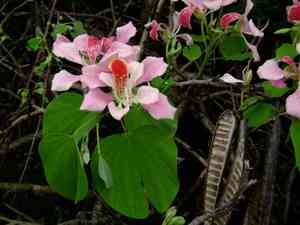
Recognized for its orchid-like pink blossoms and divided foliage, pink bauhinia flourishes with appropriate trimming. Essential methods involve eliminating deceased wood, reducing crowded limbs, and sculpting for a symmetrical form. Trimming should be performed in late winter or early spring to foster blooming and sustain the plant's well-being. Pruning pink bauhinia encourages fresh development, amplifies flowering, and deters illness by boosting air movement. Cultivators ought to sanitize implements to prevent the dissemination of harmful agents. Pruning guarantees pink bauhinia's vitality and aesthetic charm.
What Are the Benefits of Pruning Pink Bauhinia?
What Are the Benefits of Pruning Pink Bauhinia?
Trimming pink bauhinia promotes robust development and maintains its desired form. Regular cutting fosters a strong structure, contributing to healthier blossoms and a more attractive appearance.
What Is the Best Time for Pruning Pink Bauhinia?
What Is the Best Time for Pruning Pink Bauhinia?
Late winter and early spring are considered optimal times to prune pink bauhinia, as the plant is either dormant or just beginning to emerge from dormancy. Pruning in late winter allows for the removal of frost-damaged branches before new growth begins, helping to prevent diseases and pests from attacking weakened areas. Early spring pruning is well-timed for shaping the plant and removing unwanted or excessive growth before the rapid growth period, ensuring the plant's energy is directed to healthier branches. This timing also precedes the new flowering season, enabling pink bauhinia to recover and produce abundant blooms, as pruning after flowering can remove potential buds and reduce blooming. Removing dead or diseased wood at this time is vital for maintaining the overall health and beauty of pink bauhinia.
What Tools Do I Need to Prune Pink Bauhinia?
Hand Pruners
Ideal for precise cuts on pink bauhinia's thinner branches and for shaping the plant. They ensure clean, healthy cuts that support good plant vitality.
Lopping Shears
Perfect for cutting through thicker branches of pink bauhinia that hand pruners cannot manage, allowing for quick and effective pruning.
Pruning Saw
Essential for removing large limbs from pink bauhinia that are too thick for lopping shears, enabling accurate and clean cuts without harming the plant.
Pole Pruner
Useful for reaching higher branches of pink bauhinia without needing a ladder, facilitating safe and efficient pruning.
How to Prune Pink Bauhinia
Select Right Tool
Choose sharp, clean pruning shears or loppers based on branch thickness. Disinfect tools before use to prevent disease spread to pink bauhinia.
Remove Dead Branches
Carefully inspect pink bauhinia for dead branches, which will feel brittle and appear dry. Cut these branches at their base or where they meet healthy wood, making a clean diagonal cut away from the trunk.
Eliminate Diseased Branches
Identify any branches showing disease signs, such as discoloration, unusual growths, or cankers. Prune diseased branches well below the affected area to ensure all diseased tissue is removed from pink bauhinia.
Dispose Of Trimmed Material
Remove and discard all dead and diseased branches away from pink bauhinia's location to prevent reinfection or pest attraction to the healthy plant.
Clean Up
Clean and disinfect all tools used in the pruning process again to avoid contaminating pink bauhinia or other plants during future use.
Common Pruning Mistakes with Pink Bauhinia
Over-Pruning
Excessive pruning can cause stress and hinder the growth of pink bauhinia. It's important to avoid removing more than one-third of the plant's foliage at any given time.
Destructive Cuts
Avoid making jagged or torn cuts, as these can create entry points for pests and diseases. Use sharp tools to make clean cuts on pink bauhinia.
Pruning During Active Growth
Cutting back pink bauhinia during its active growth phase may impede its development. It's advisable to prune when the plant is dormant.
Neglecting Deadhead
Failing to deadhead, or remove spent flowers from pink bauhinia, can prevent new blooms and lead to the development of seed pods, which may reduce flowering in the next season.
Ignoring Disease Prevention
Not sterilizing pruning tools before use on pink bauhinia can spread diseases from infected plants to healthy ones. Always clean tools before and after use.
Common Pruning Tips for Pink Bauhinia
Selective Pruning
Selectively prune to remove dead or diseased branches, which will encourage better air circulation and light penetration for healthy growth of pink bauhinia.
Shape Maintenance
Trim pink bauhinia gently to maintain its desired shape and control its size, which will contribute to an aesthetically pleasing appearance without impeding its growth.
Strategic Thinning
Thin out the dense branches of pink bauhinia to encourage new growth and flowering. This can also help to balance the shape of the plant.
Supporting Flowering
Prune the old growth of pink bauhinia after flowering has concluded to invigorate the plant and promote more prolific blooming in the following season.
Tool Preparation
Use sharp, clean pruning shears or loppers for pink bauhinia. Dull tools can damage the plant and create rough cuts that are detrimental to the plant's health.



