How Much Sunlight Do Woollypod milkvetch Need?
1
Woollypod milkvetch flourishes with ample sunlight, requiring a minimum of six hours of direct sun daily.
2
Inadequate light exposure may result in diminished growth and sparse blooms for Woollypod milkvetch.
3
Employ methods such as sun tracking and supplemental lighting to guarantee ideal illumination for your Woollypod milkvetch.
Ideal Light Conditions for Woollypod milkvetch
Direct Sun vs Partial Shade
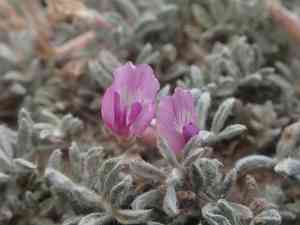
The Woollypod milkvetch, recognized for its fuzzy foliage and lovely blossoms, thrives best in full sun. Full sun means the plant should receive at least six hours of direct sunlight daily. While Woollypod milkvetch can endure some partial shade, particularly in hotter regions, insufficient light can hinder its development and flowering potential. Partial shade may result in elongated growth and fewer blooms, so aim for a sunny location for optimal display.
Seasonal Light Requirements
Throughout the year, Woollypod milkvetch has varying light needs. In spring and summer, during its active growth phase, it requires the most sunlight. Aim for full sun exposure to support vigorous growth and flowering. In fall and winter, when growth slows, the plant can tolerate slightly less light. However, maintaining good light exposure year-round ensures the plant stays healthy and ready to bloom in spring.
Impact of Insufficient Light on Woollypod milkvetch
Indicators of Light Deficiency
If Woollypod milkvetch doesn't receive enough light, several signs can point to an issue. These include etiolated growth, where stems become long and weak, and fewer or less vibrant flowers. Additionally, leaves may appear pale or yellowish, indicating inefficient photosynthesis.
Solutions for Low Light Environments
To address low light conditions, consider relocating your Woollypod milkvetch to a sunnier spot in your garden. If moving it isn't feasible, using grow lights can supplement natural light. Position grow lights approximately 30 cm (12 inches) above the plant and keep them on for about 12-14 hours daily. Reflective surfaces around the plant can also help by redirecting additional light onto it, ensuring adequate coverage.
Optimal Planting Sites for Woollypod milkvetch
Choosing the Best Garden Location
Selecting the appropriate garden spot for planting Woollypod milkvetch is vital for its light requirements. Look for areas that receive ample morning sunlight, such as east-facing locations. Avoid spots with excessive shade from large trees or structures. Garden beds adjacent to south-facing walls can provide optimal sunlight exposure throughout the day.
Light Mapping Techniques
Light mapping is a valuable method to determine the best location for your Woollypod milkvetch. By observing and documenting the sun's path and shadow patterns in your garden over a day, you can identify spots that receive the most sunlight. Use tools like a light exposure meter or a notebook to record the hours of sunlight different areas receive. This will help you choose the perfect planting site for your Woollypod milkvetch.
Light Accessories and Tools for Enhanced Growth
Utilizing Grow Lights
Grow lights can be essential if natural sunlight is insufficient. LED grow lights are energy-efficient and provide the full spectrum of light Woollypod milkvetch needs for photosynthesis. Place them about 30 cm (12 inches) from the plant and ensure they are on for 12-14 hours daily during the growing season. This can significantly improve growth, especially in indoor or partially shaded outdoor settings.
Reflective Surfaces to Maximize Light Exposure
Reflective surfaces can help intensify the light reaching your Woollypod milkvetch. Materials like aluminum foil, whiteboards, or reflective mulch can be placed around the plant to bounce more sunlight onto it. This method is particularly useful in areas where direct sunlight is limited, ensuring your plant receives as much light as possible to flourish.



