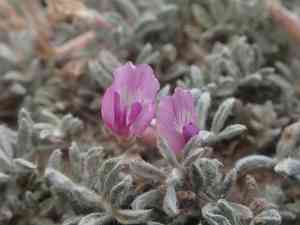
Woollypod milkvetch (Astragalus purshii)
Also known as: Pursh loco, Dwarf pursh milkvetch
The sulfur buckwheat (*Eriogonum umbellatum*) is a low-growing, perennial herb indigenous to western North America. It thrives in diverse environments, from mountains to deserts, making it highly adaptable. This plant is also cultivated for ornamental purposes due to its appealing yellow blooms and foliage.
In This Article
Attributes of Woollypod milkvetch
Lifespan
Perennial
Plant Type
Herb
Plant Height
13 cm
Spread
30 cm
Leaf Color
Green with a silvery, woolly texture
Flower Size
2.5 cm
Flower Color
Pink Purple
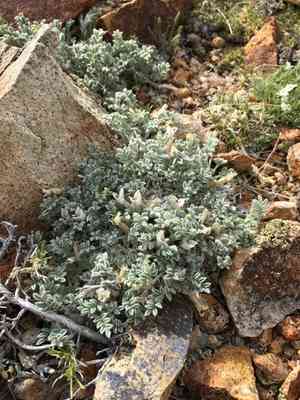
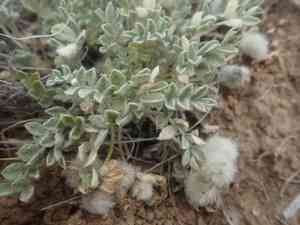
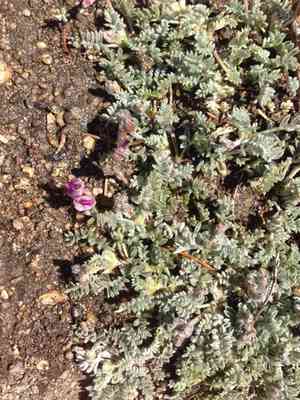
Images of Woollypod milkvetch
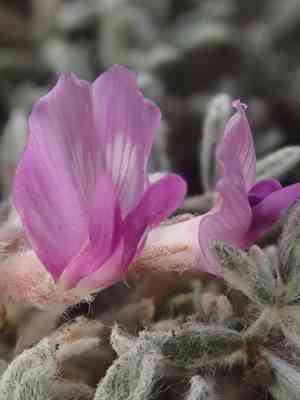
Quickly Identify Woollypod milkvetch
1
This plant can be identified through its woolly-hairy stems and leaves, pea-shaped flowers, and distinctive pod fruits that are also covered in hairs.
Scientific Classification of Woollypod milkvetch
Phylum
Vascular plants
Class
Dicotyledons
Order
Fabales
Family
Legume
Genus
Milkvetch
Species
Woollypod milkvetch
Planting and Growing of Woollypod milkvetch
Care Difficulty
Easy
Watering Schedule
Every 2 days
Sunlight Requirements
Full sun
Sunshine Duration
8-12 hours
Ideal Temperature
60-75℉
Soil Type
Potting Mix, Peat Mix
Soil pH
6.5-7.5
Fertilizer Type
Balanced
Pruning Season
Spring, Summer
Pruning Area
Branches, Leaves
Pruning Frequency
Once a year
Repotting Season
Spring
Pot Type
Plastic, Ceramic
 How to Water Woollypod milkvetch?
Astragalus purshii thrives in environments where water drains rapidly. When watering, provide approximately 250 ml per session. This ensures that the soil is moist but not waterlogged, mimicking its natural arid habitat. Aim for a deep soak but allow the soil to dry out completely between waterings to prevent root rot.
What are the symptoms of an underwatered Woollypod milkvetch?
›
What should I do if my Woollypod milkvetch is not getting enough water?
›
What are the symptoms of an overwatered Woollypod milkvetch?
›
How to save an overwatered Woollypod milkvetch?
›
 What Are the Sunlight Requirements for Woollypod milkvetch?
Astragalus purshii thrives in well-lit conditions ranging from full sun to partial sun. The right light enhances its photosynthetic efficiency, leading to healthy growth, vibrant foliage, and prolific flowering.
More About Sunlight Requirements Techniques→
How much sunlight does Astragalus purshii need?
›
What happens if it doesn't get enough sunlight?
›
How can I provide the best light conditions for it?
›
 What Is the Ideal Temperature Range for Woollypod milkvetch?
For optimal growth of Astragalus purshii, maintaining a temperature range between 60°F and 75°F is considered ideal. This range supports the physiological processes necessary for the plant to thrive, enhancing its growth rate and overall health. Staying within this range ensures that the plant does not experience temperature stress which can lead to diminished vitality or growth abnormalities.
 What Soil is Best for Woollypod milkvetch?
Astragalus purshii thrives in well-drained soils as it prevents waterlogging, which could lead to root rot. This condition is crucial for the plant's root health and ensures optimal growth by preventing stagnant moisture. This plant benefits from moderately fertile soil, which provides a balanced supply of nutrients necessary for its growth without overwhelming the root system. Adequate fertility supports healthy foliage and sturdy stems. A loose soil structure allows for better root penetration and enhances aeration. This is beneficial for Astragalus purshii as it promotes robust root development and overall plant resilience.
 How to Fertilize Woollypod milkvetch?
Astragalus purshii generally requires a balanced approach to fertilization. Use a diluted liquid fertilizer at half the recommended strength. For slow-release fertilizers, a small handful should suffice, ensuring to avoid over-fertilization. The goal is to supplement the plant's needs without overwhelming it, matching the natural nutrient acquisition in its native environment.
 How to Prune Woollypod milkvetch?
Begin by removing any dead or diseased branches to prevent infection spread. Cut these branches back to the healthy part of the plant to encourage new growth. Carefully trim outer branches to shape the plant into a pleasing form. Aim for a natural look rather than hard lines, ensuring light can penetrate through the branches evenly. Remove overcrowded branches from the center to enhance air circulation, which helps to reduce humidity around the plant and prevent fungal diseases. After the flowering season, trim back flower stems to encourage further blooming and to ensure the plant spends energy on new growth rather than seed production.
More About Pruning Techniques→
 How to Propagate Woollypod milkvetch plant?
1
Begin by selecting healthy seeds of Astragalus purshii. Prepare them by rubbing with a sandpaper for scarification. This helps weaken the seed coating, enhancing water absorption and speeding up germination.
2
For cuttings, select a healthy part of the plant ensuring it has at least two nodes. Cut below a node and remove the lower leaves. The cuttings should be around 4-6 inches long to ensure successful rooting.
3
Divide mature plants during the favorable season. Gently lift the plant from the ground and split it into smaller sections with their own roots. This method helps in rejuvenating older plants and expanding the plant's presence.
 How to Repot Woollypod milkvetch plant?
1
Astragalus purshii needs repotting when its roots start circling the pot, indicating root-bound conditions. Repot in early spring or autumn when the plant is not actively flowering. This ensures minimum stress and allows for better root establishment in the new pot.
2
Choose a pot with adequate drainage holes to prevent waterlogging, as Astragalus purshii prefers drier conditions. The new pot should be just one size up to avoid excessive soil moisture. A terracotta pot is ideal, as it allows for better air circulation to the plant's root system.
3
Opt for well-draining, sandy soil to emulate its natural arid habitat. A cactus or succulent mix with added grit or coarse sand helps to prevent root rot by allowing quick drainage and maintaining the necessary dry conditions.
Toxicity
Ingestion
WARNING
The judgment on toxicity and danger is for reference only. We DO NOT GUARANTEE any accuracy of such judgment. Therefore, you SHALL NOT rely on such judgment. It is IMPORTANT TO SEEK PROFESSIONAL ADVICE in advance when necessary.
Learn More About Woollypod milkvetch Diseases
Anthracnose
Bacterial Leaf Spot
Bacterial Wilt
Cyst Nematode
Damping-off
Downy Mildew
Drought Stress
Fusarium Wilt
Gray Mold
Leaf Curl
Leaf Spot
Mosaic
Nutrient Deficiency
Nutrient Toxicity
Powdery Mildew
Root Rot
Root-knot Nematode
Rusts
Sooty Mold
Spider Mites
Temperature Stress
Thrips Damage
White Mold



