How Much Sunlight Do Common hollyhock Need?
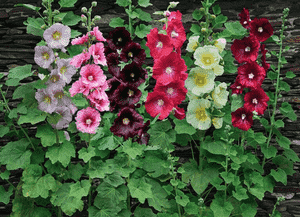
1
For optimal growth, Common hollyhock requires more than six hours of direct sun exposure daily.
2
While it can withstand partial shade, this often leads to a reduction in floral output.
3
Employ shade coverings to shield Common hollyhock from the powerful midday sun.
Ideal Sunlight Conditions for Hollyhocks
Necessary Direct Sunlight Exposure
Hollyhocks flourish in full sun, requiring a minimum of 6 to 8 hours of unfiltered sunlight each day. Positioning them where they receive uninterrupted morning sun promotes optimal development and blooming. Abundant sunlight not only boosts the plant's vitality but also fosters more vibrant and plentiful flowers.
Hollyhock Tolerance for Partial Shade
While full sun is preferable, hollyhocks can endure partial shade. However, under these conditions, the plant might produce fewer blossoms and may not achieve its maximum height and vigor. Partial shade primarily means limited sun during early mornings or late afternoons, with the plant shielded during intense midday sun.
Consequences of Excessive Sun Exposure
Excessive exposure to intense sunlight, particularly during the hot afternoon, can cause scorching and wilting of hollyhocks. Their leaves may develop brown, crisp edges, and blooms can suffer from sunburn, leading to a decline in overall plant health. Protecting the plant from peak sun can prevent such damage and ensure its longevity.
Prime Planting Spots for Hollyhocks to Maximize Sunlight
Choosing the Best Garden Position
Select a garden area that offers unrestricted access to full sunlight for most of the day. South-facing locations typically provide the greatest sun exposure. Ensure the soil is well-drained to prevent waterlogging, which can harm the hollyhock's root system.
Indoor Versus Outdoor Cultivation
Although hollyhocks are primarily outdoor plants, they can be started indoors. However, replicating natural outdoor sunlight conditions indoors can be challenging. Use grow lights to supplement sunlight if attempting to cultivate hollyhocks indoors, but transplanting them outdoors as soon as feasible is recommended for optimal growth.
Seasonal Sunlight Needs of Hollyhocks
Spring and Summer Sunlight Demands
During spring and summer, hollyhocks should receive at least 6 to 8 hours of direct sunlight daily. This period is vital for the plant's vegetative growth and flowering phase. Ensuring maximum sunlight during this time aids in developing robust stems and abundant flower production.
Autumn and Winter Considerations
In autumn and winter, daylight hours diminish. While growth slows during these seasons, ensure the plant still receives available sunlight. Moving containerized plants to brighter spots or pruning nearby taller plants can help maximize light exposure. Guard the plant against frost by applying a light mulch cover.
Indications of Insufficient or Excessive Sun for Hollyhocks
Signs of Inadequate Sunlight
If your hollyhock isn't getting enough sunlight, it might display leggy growth with elongated stems that are sparse in foliage. Mottled or yellowing leaves, delayed or minimal flower production, and an overall weak appearance are common indicators of insufficient sunlight.
Symptoms of Sunburn in Hollyhocks
Signs of too much sunlight or sunburn include leaves developing brown or white scorched patches, wilting despite regular watering, and flower petals drying out and becoming discolored. These symptoms suggest the plant is receiving more direct sunlight than it can tolerate, especially during peak afternoon hours.
Adjusting Sunlight Exposure for Optimal Growth
Utilizing Shade Cloths or Sunscreens
For gardens in regions with intense midday sun, employing shade cloths or screens can help safeguard hollyhocks. These tools filter sunlight, reducing its intensity and preventing sunburn while still allowing sufficient light for proper plant development.
Relocating to a More Suitable Spot
If your hollyhock is in a location with too little or too much sun, consider moving it. Choose morning or late afternoon for transplanting to avoid extreme sunlight exposure. Ensure the new site meets the requirement of 6 to 8 hours of direct sunlight daily but also provides some relief from the hottest part of the day.



