How Much Sunlight Do Delta maidenhair fern Need?
1
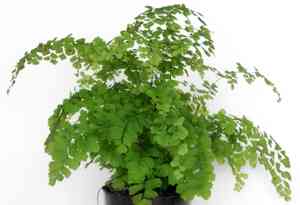
Delta maidenhair fern flourishes optimally under diffused illumination, mimicking its native environment.
2
Provide the plant with approximately 3-6 hours of filtered daylight each day for peak development.
3
Excessive direct sunlight can burn its fragile leaves; proper positioning is crucial!
Optimal Illumination for Delta Maidenhair Fern
Indirect Light Needs
The Delta maidenhair fern thrives in conditions of indirect illumination. To replicate its natural habitat, aim for filtered or diffused sunlight. This type of lighting helps maintain the fern's vibrant green foliage. When positioning your fern indoors, select spots where light is gentle and subtle, free from harsh, direct sunbeams.
Avoiding Direct Sun Exposure
Direct sunlight can be harmful to the Delta maidenhair fern. Prolonged exposure to direct sun can cause leaf burn, resulting in brown, brittle fronds. To prevent this, choose east-facing windows where morning light is mild, or place the plant behind sheer drapes. This setup filters intense rays, providing the fern with gentler light exposure.
Impacts of Low Light
While the Delta maidenhair fern can endure low light, it's not ideal for extended periods. Insufficient light can lead to weak, sparse development and pale fronds. If your fern isn't receiving adequate light, consider supplementary lighting or moving it to a brighter location. Aim for 3-6 hours of soft light daily for optimal growth.
Best Placements for Delta Maidenhair Fern
Ideal Indoor Spots
Indoors, the Delta maidenhair fern should be situated in areas offering good indirect light. Optimal locations include rooms with east or north-facing windows, which provide gentle morning or afternoon light. Bathrooms or kitchens can also be excellent choices due to their higher humidity levels, which suit the fern's preference for moist environments.
Outdoor Positioning Advice
Outdoors, finding a shaded or partially shaded spot is crucial. Ensure the fern is placed in an area protected from intense midday sun, such as beneath a tree canopy or on a covered patio. This setting should offer dappled light, mimicking the fern's natural forest floor environment. Regularly monitor light conditions, especially with seasonal changes, to adjust as needed.
Adjusting Illumination for Seasonal Shifts
Winter Light Adjustment
During winter, sunlight can become scarce, necessitating adjustments for the Delta maidenhair fern. Move the fern closer to windows for maximum light exposure, and consider using a grow light to supplement natural light. Ensure the fern still avoids direct sunlight, even in winter, as the lower sun angle can still be intense.
Summer Light Adjustment
In the summer, increase vigilance to protect the fern from excessive sun exposure. Temperatures and light intensity rise, making it vital to provide ample shade. Using light curtains or relocating the fern to a cooler part of the house can help maintain the ideal light balance. Remember, consistent monitoring and adjusting your fern's position can prevent sun damage.
Signs Your Delta Maidenhair Fern is Receiving Too Much or Too Little Light
Indicators of Excessive Light
If your Delta maidenhair fern is getting too much light, you will observe signs like brown, crispy fronds. This scorching clearly indicates the fern needs to be moved to a shadier spot. Another sign of excess light is fronds appearing faded or bleached. Closely monitoring these signs will help you adjust the plant's location before severe harm occurs.
Indicators of Insufficient Light
Conversely, too little light results in weak growth and pale, dull fronds. The fern might appear leggy as it stretches to reach for available light. Leaves may yellow and drop if left in dim conditions for too long. Regularly rotating the fern and providing supplemental lighting can help prevent these issues.
FAQs Regarding Light and Delta Maidenhair Fern
Can Delta Maidenhair Fern Thrive in Low Light?
Although the Delta maidenhair fern can survive in low light, it won't flourish. The plant might exhibit stunted development and lose its vibrant green hue. It's best to ensure moderate indirect light to keep your fern healthy and lush.
How Can I Increase Light Without Direct Sun?
To boost light levels without direct sun, consider using sheer curtains to diffuse sunlight or place the fern near a bright, but indirect light source. Additionally, reflective surfaces like mirrors can help distribute more light around the room, benefiting the fern without exposing it to harsh rays.
Is Artificial Light Effective for Delta Maidenhair Fern?
Yes, artificial lights can be an excellent substitute for natural light. LED grow lights are particularly effective, offering the correct light spectrum that mimics natural sunlight. Position the grow light about 12-18 inches (30-45 cm) from the fern, and ensure it operates for approximately 12-14 hours daily to adequately supplement light needs.



