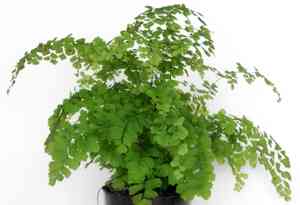
Delta maidenhair fern (Adiantum raddianum)
Also known as: Maidenhair Fern, Delta Maidenhair
Delta maidenhair fern (Adiantum raddianum) is a popular houseplant. Its leaves have the ability to shed water without becoming wet. That's why the entire genus of Adiantum got its scientific name, which was derived from Greek and means "unwetted."
In This Article
Attributes of Delta maidenhair fern
Lifespan
Perennial
Plant Type
Fern
Plant Height
30 cm to 60 cm
Spread
1 to 2 feet (30 to 60 cm)
Leaf Color
Green
Flower Size
N/A
Flower Color
N/A
Images of Delta maidenhair fern
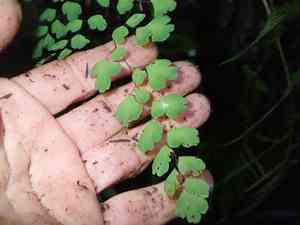
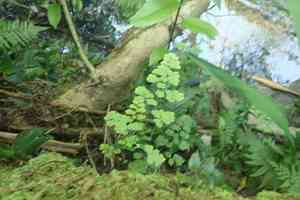
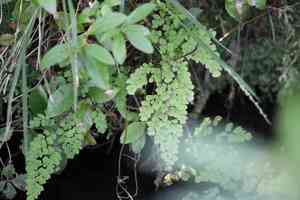
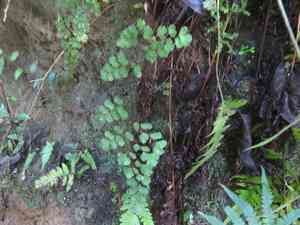
Quickly Identify Delta maidenhair fern
1
Distinctive feathery look from delicate, triangular, lobed pinnules in flat planes.
2
Fronds with decompound, membranous structure and curled margins for sori protection.
3
Wiry, dark stipe and rachis creating a black appearance in fronds.
4
Lace-like, 1-5-pinnate leaves with glossy black/purple petioles and wavy margins.
5
Fan-shaped, light green leaflets with small spore cases in kidney-shaped membrane.
Scientific Classification of Delta maidenhair fern
Phylum
Vascular plants
Class
Ferns
Order
Polypodiales
Family
Brake
Genus
Maidenhair ferns
Species
Delta maidenhair fern
Planting and Growing of Delta maidenhair fern
Care Difficulty
Hard
Watering Schedule
Every 8 days
Sunlight Requirements
Partial sun
Sunshine Duration
4-8 hours
Ideal Temperature
65-75℉
Soil Type
Potting Mix, Peat Mix
Soil pH
6.5-7.5
Fertilizer Type
Balanced
Pruning Season
Spring, Summer
Pruning Area
Branches, Leaves
Pruning Frequency
Once a year
Repotting Season
Spring
Pot Type
Plastic, Ceramic
 How to Water Delta maidenhair fern?
Adiantum raddianum, commonly known as the maidenhair fern, requires careful attention to watering. The soil should be kept consistently moist but not soggy. A general rule is to water until the water starts to drain from the bottom of the pot, ensuring the entire root system is hydrated. However, avoid leaving the plant in standing water, as this can lead to root rot.
What are the symptoms of an underwatered Delta maidenhair fern?
›
What should I do if my Delta maidenhair fern is not getting enough water?
›
What are the symptoms of an overwatered Delta maidenhair fern?
›
How to save an overwatered Delta maidenhair fern?
›
 What Are the Sunlight Requirements for Delta maidenhair fern?
Partial sun or full shade are optimal for Adiantum raddianum. Proper light exposure supports robust growth and vibrant leaf color, ensuring the plant remains lively and healthy in its environment.
More About Sunlight Requirements Techniques→
What is the perfect lighting condition for Adiantum raddianum?
›
How can I ensure this plant gets ideal light conditions?
›
What are the benefits of ideal lighting for this plant?
›
 What Is the Ideal Temperature Range for Delta maidenhair fern?
The ideal temperature range for Adiantum raddianum, commonly known as the Maidenhair Fern, is between 65°F and 75°F. This temperature range ensures optimal growth and health of the plant, as it closely mimics the fern's natural habitat in warm and humid environments. Consistently maintaining temperatures within this range prevents stress and promotes vigorous growth.
 What Soil is Best for Delta maidenhair fern?
Adiantum raddianum thrives in soil that retains moisture well without becoming waterlogged. Adequate moisture ensures consistent hydration which is crucial for the delicate fronds, preventing them from wilting. While these ferns enjoy moisture, they also require good drainage. Excess water retention can lead to root rot, so a soil mix that allows excess water to escape is essential for healthy root growth. A nutrient-rich soil supports the lush growth of this fern. Organic matter in the soil aids in providing essential nutrients that enhance the vibrant green color and overall health of the fronds.
 How to Fertilize Delta maidenhair fern?
When fertilizing Adiantum raddianum, it's crucial to apply a dilute solution. Use a balanced liquid fertilizer at half strength to avoid over-fertilization. This ensures the plant gets the necessary nutrients without overwhelming its system.
 How to Prune Delta maidenhair fern?
Begin by inspecting the plant for any dead or discolored fronds. Using sharp, sterile scissors or pruning shears, carefully trim these fronds at their base near the soil level. Make sure to follow the natural curve of the plant, which helps preserve its graceful structure. It's best to perform this maintenance regularly, approximately once a month, to support consistent healthy growth.
More About Pruning Techniques→
 How to Propagate Delta maidenhair fern plant?
1
Choose a healthy and mature Adiantum raddianum plant, as this ensures that the divisions will have a better chance at survival and establishing themselves in their new locations.
2
Gently remove the plant from its pot or ground and shake off excess soil. Use a sharp knife or spade to divide the root ball into smaller sections, ensuring each section has roots and fronds.
3
Place each divided section into a prepared pot with fresh potting mix. Ensure the roots are covered adequately, and water the plant to promote settlement of soil around its roots.
 How to Repot Delta maidenhair fern plant?
1
Adiantum raddianum, commonly known as the Maidenhair Fern, signals for repotting when its roots become cramped in the current container or when growth stalls despite adequate care. Spring and early summer are optimal times; the plant is in its most active growth phase, ready to adapt and expand in its new home. You'll notice wilting fronds or the pot drying out quickly as an indicator.
2
Selecting a new pot for your Maidenhair Fern requires attention to size and drainage. Choose a pot that is about one size larger than the current, ensuring proper space for root expansion. A pot with sufficient drainage holes is necessary to prevent waterlogged soil, which can lead to root rot. The right pot provides stability, encourages growth, and maintains soil health.
3
The ideal soil for repotting this fern is a well-draining mix, often comprising peat, perlite, and pine bark. The essence of this mix is to replicate the fern's natural habitat, allowing air and water to flow seamlessly through the roots. This balance helps prevent the soggy roots that often lead to fungal diseases and ensures the plant thrives in its new settings.



