How to Propagate Delta maidenhair fern?
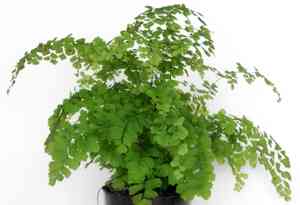
Adiantum raddianum flourishes most effectively when multiplied via separation, a simple and efficient technique for enlarging your assortment or distributing among other horticulturists. Gently divide the foliage and confirm that every new segment possesses sufficient root structure. Embed these segments in a fertile, well-aerated potting mix and sustain uniform dampness without saturation to foster development. A stable setting with diffused illumination aids successful integration following multiplication.
Optimal Period for Delta Maidenhair Fern Propagation
Propagation Method
Splitting
Propagation Period
Spring,Autumn
Tools Required for Delta Maidenhair Fern Propagation
Sterile Sharp Knife or Scissors
These instruments are vital for dividing delta maidenhair fern. They are employed to carefully separate the rhizomes or clumps without causing undue harm to the plant. Sterilizing the knife or scissors prevents the introduction of pathogens, ensuring the well-being of delta maidenhair fern during and after the propagation process.
Watering Can with a Fine Rose
Delta maidenhair fern necessitates gentle irrigation to avoid disturbing the newly divided plants and to keep the soil uniformly moist. A watering can equipped with a fine rose attachment provides a soft, rain-like water flow, which is perfect for newly propagated delta maidenhair fern to establish roots without the risk of soil erosion or root damage.
Quality Potting Mix
A light, airy, and moisture-retentive potting medium specifically formulated for ferns is essential for the successful propagation of delta maidenhair fern. This type of mix supports the delicate root system, supplying the necessary nutrients and facilitating proper drainage, which is important for preventing root rot.
Humidity Tray or Dome
Following division, maintaining elevated humidity levels is beneficial for delta maidenhair fern. A humidity tray or dome assists in creating a micro-environment that offers stable moisture conditions, which is crucial for the recovery and growth of new delta maidenhair fern divisions.
Label and Marker
Utilizing labels and waterproof markers to identify newly propagated delta maidenhair fern is important for tracking growth progress and care requirements. This tool aids in organizing the propagation setup, especially when managing multiple plants or varieties.
How to Propagate Delta Maidenhair Fern?
Propagation Type
Simple
Caring for Your Newly Propagated Delta Maidenhair Fern
Caring for Your Newly Propagated Delta Maidenhair Fern
Post-propagation, position the new delta maidenhair fern plants in an environment that emulates their natural habitatâindirect, filtered light and high humidity. Avoid direct sunlight as it can scorch the tender fronds. Regularly mist the plants to maintain humidity or employ a humidity tray. Water the ferns when the topsoil feels slightly dry, using lukewarm water to prevent shocking the roots. As the plants mature, continue to inspect for pests and diseases and treat as needed to ensure healthy development.
Common Errors to Avoid When Propagating Delta Maidenhair Fern
Excessive Watering
Overwatering is a common error with delta maidenhair fern, particularly during propagation. This can lead to root rot and fungal infections, severely hindering the plant's ability to establish and grow.
Using dense soil
Employing a heavy or compact soil mix can restrict the delicate roots of delta maidenhair fern from spreading and aerating, resulting in poor root health and diminished growth.
Insufficient humidity
Failing to maintain high humidity levels can be detrimental during the propagation of delta maidenhair fern. Low humidity dries out the plant too quickly, stressing it and potentially causing leaf drop.
Advice for Propagating Delta Maidenhair Fern
Appropriate moisture
Maintain consistent moisture when propagating delta maidenhair fern, but ensure the soil drains well. Excess water should be able to escape to prevent root problems.
Use a light soil mix
Opt for a light, airy soil mix, such as a blend containing peat and perlite. This promotes better root growth and aeration, essential for the delicate roots of delta maidenhair fern.
Maintain high humidity
Create a high humidity environment, for instance, by covering delta maidenhair fern with a clear plastic bag or using a humidity tray. This mimics delta maidenhair fern's natural humid environment, encouraging successful propagation.



