Optimal Soil for Growing Firecracker plant: What You Need to Know
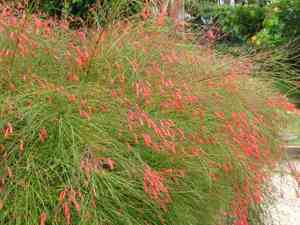
1
Firecracker plants flourish optimally in soil with a pH range of 6.5 to 7.5.
2
Periodically assessing your soil's water drainage helps avert root decay in Firecracker plants.
3
Adding organic materials such as compost improves soil richness and composition.
Optimal Soil Type for Firecracker Plant
Well-draining Substrate
The Firecracker plant thrives in soil that drains efficiently, preventing water accumulation around its root system. Properly draining soil ensures roots avoid prolonged saturation, which can cause root rot and various diseases. Assess soil drainage by pouring water over it and observing its absorption and dispersion rate.
Sand and Perlite Blend
A mixture of sand and perlite is excellent for the Firecracker plant, as it enhances air circulation and helps retain moisture without becoming waterlogged. Sand improves soil structure, while perlite keeps it light and prevents compaction. This combination creates an ideal environment, mimicking the plant's natural habitat for robust growth.
Loamy Soil
Loam, a balanced mix of sand, silt, and clay, is superb for Firecracker plants. This soil type holds sufficient moisture while allowing good drainage. Furthermore, loam is nutrient-rich, which benefits the plant's development and blooming. Maintaining its condition involves keeping the soil light and airy through regular loosening.
Assessing Soil Drainage for Your Firecracker Plant
Basic Drainage Assessment
To conduct a simple drainage test, dig a hole approximately 30 cm (1 foot) deep and fill it with water. Let it drain completely. Then, refill it and measure the time it takes to drain. Ideally, drainage should occur within 12 to 24 hours. If it takes longer, soil amendments may be necessary to improve drainage.
Indicators of Insufficient Drainage
Watch for signs such as yellowing foliage, wilting despite consistent watering, and an unpleasant odor from the soil, all pointing to poor drainage. These symptoms suggest roots are suffocating from excessive moisture. Promptly addressing these issues by enhancing soil aeration can prevent further harm to your Firecracker plant.
Improving Soil for Firecracker Plant Cultivation
Enhancing Soil Structure
To improve your soil's texture, incorporate materials like sand, perlite, or vermiculite. These additions help break up dense soil, promoting better aeration and drainage. Mixing in these amendments results in a lighter, more plant-friendly soil consistency.
Incorporating Organic Material
Add organic matter such as compost, manure, or leaf mold to your soil. Organic matter not only boosts soil fertility by supplying essential nutrients but also improves its texture, making it more aerated and well-draining. Aim to blend organic matter into the top 15-20 cm (6-8 inches) of soil.
Utilizing Mulch
Applying a layer of mulch around your Firecracker plant significantly benefits soil health. Mulch helps retain moisture, suppresses weeds, and contributes organic material to the soil as it breaks down. A 5-7.5 cm (2-3 inch) layer of mulch is generally adequate.
Nutrient Needs for Firecracker Plant
Key Nutrients
The primary nutrients essential for Firecracker plant growth include nitrogen (N), phosphorus (P), and potassium (K). Additionally, trace elements such as magnesium (Mg), iron (Fe), and calcium (Ca) are crucial. A balanced, general-purpose fertilizer typically supplies these nutrients effectively.
Fertilization Advice
For optimal Firecracker plant health, apply a balanced fertilizer during the active growing season, usually every 4-6 weeks. Liquid fertilizers can be particularly effective, providing immediate nutrients to the plant. Exercise caution to avoid over-fertilization, which can lead to nutrient burn and damage the plant.
Symptoms of Nutrient Deficiency
Common indicators of nutrient deficiency include yellowing leaves, stunted development, and poor blooming. If these symptoms appear, soil testing and adjusting your fertilization regimen may be necessary. Ensuring a well-balanced nutrient supply encourages vigorous and healthy plant growth.
Typical Soil Issues and Solutions for Firecracker Plant
Soil Compaction
Soil compaction hinders root development and reduces aeration. To alleviate compaction, regularly aerate the soil by gently turning it or using a garden fork. Incorporating organic matter can also help by improving soil structure, making it more friable and loose.
Insufficient Aeration
Poor aeration often stems from dense or waterlogged soil. To enhance aeration, mix in materials like compost, perlite, or coarse sand. Additionally, avoid over-watering and ensure your soil possesses excellent drainage capabilities.
Soil pH Balance
The ideal soil pH for Firecracker plant ranges between 6.5 and 7.5. If your soil's pH falls outside this range, it can impact nutrient availability. To adjust soil pH, add lime to increase it or sulfur to decrease it. Regular testing and adjustments help maintain an optimal pH balance for your plant.



