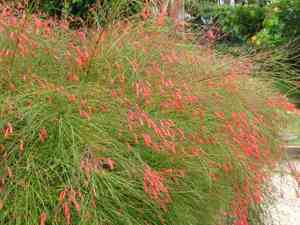
Firecracker plant (Russelia equisetiformis)
Also known as: Fountain plant, Coralblow
The Firecracker plant (Russelia equisetiformis) is indigenous to regions of Mexico and Guatemala. Known for its cascading red flowers, it's commonly used as an ornamental plant in hanging baskets, window boxes, and garden planters.
In This Article
Attributes of Firecracker plant
Lifespan
Perennial
Plant Type
Shrub
Plant Height
1 m
Spread
60 cm
Leaf Color
Green
Flower Size
2.5 cm to 8 cm
Flower Color
Red
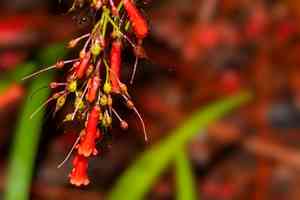
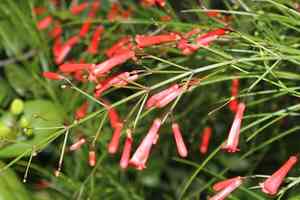
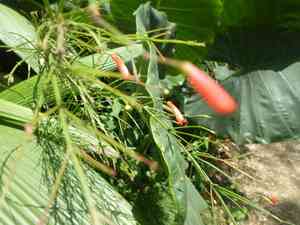
Images of Firecracker plant
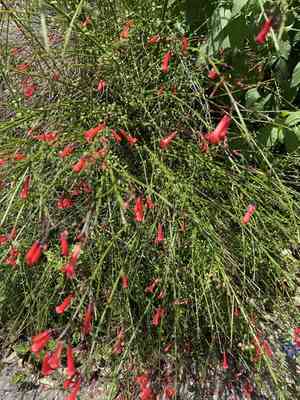
Quickly Identify Firecracker plant
1
Bright red, tubular flowers in clusters resemble firecrackers.
2
Scale-like ovate leaflets with vibrant green color and reddish tint in sunlight.
3
Small, needle-like leaves reduced to scale-like ovate leaflets.
4
Slender green stems that grow erect and bend over creating a weeping effect.
5
Dry, brown capsules with beaked appearance and small, light brown oval seeds.
Scientific Classification of Firecracker plant
Phylum
Vascular plants
Class
Dicotyledons
Order
Mints plantains olives and allies
Family
Plantain
Genus
Russelia
Species
Firecracker plant
Planting and Growing of Firecracker plant
Care Difficulty
Easy
Watering Schedule
Every 8 days
Sunlight Requirements
Full sun
Sunshine Duration
4-8 hours
Ideal Temperature
65-75℉
Soil Type
Potting Mix, Peat Mix
Soil pH
6.5-7.5
Fertilizer Type
Balanced
Pruning Season
Spring, Summer
Pruning Area
Branches, Leaves
Pruning Frequency
2 times a year
Repotting Season
Spring
Pot Type
Plastic, Ceramic
 How to Water Firecracker plant?
Russelia equisetiformis, commonly known as the firecracker plant, thrives with consistent moisture. Each watering session should aim to provide around 500 ml of water. The soil should be soaked thoroughly, allowing water to reach the deeper roots, but ensure it has adequate drainage to prevent waterlogging.
More About Watering Techniques→
What are the symptoms of an underwatered Firecracker plant?
›
What should I do if my Firecracker plant is not getting enough water?
›
What are the symptoms of an overwatered Firecracker plant?
›
How to save an overwatered Firecracker plant?
›
 What Are the Sunlight Requirements for Firecracker plant?
Russelia equisetiformis thrives best in half-day or full sun. Adequate sunlight ensures effective photosynthesis, resulting in vibrant flowers and robust plant health.
More About Sunlight Requirements Techniques→
What is the best time of day for optimal sunlight?
›
How can I ensure my plant gets the right amount of light indoors?
›
What benefits will my plant see with proper lighting?
›
 What Is the Ideal Temperature Range for Firecracker plant?
The ideal temperature range for growing Russelia equisetiformis is between 65°F and 75°F. This range allows the plant to flourish, promoting optimal growth and vibrant flowering. Consistent temperatures within this range help maintain plant health and vitality by providing an environment similar to its natural habitat.
 What Soil is Best for Firecracker plant?
Russelia equisetiformis thrives in well-draining soil to prevent root rot, a common problem in waterlogged conditions. Ensuring that the soil has good drainage allows the plant to access necessary moisture while avoiding excessive sitting water, promoting healthy root development and robust growth. The plant benefits from a soil composition that is rich in organic matter, which provides essential nutrients. A soil that is naturally high in organic content can reduce the need for frequent fertilization, enhancing the plant's growth and flowering potential. While the plant prefers a soil that retains some moisture, it should not be soaked. Consistent watering maintains the soil in a moderately moist state, providing an optimal balance that supports healthy foliage and abundant blooms.
More About Soil→
 How to Fertilize Firecracker plant?
For Russelia equisetiformis, apply liquid fertilizer in a diluted form to avoid overfeeding. Use a half-strength solution of balanced liquid fertilizer during active growth periods for optimal results.
More About Fertilizing Techniques→
 How to Prune Firecracker plant?
First, locate the overly long or overgrown stems. Russelia equisetiformis can become untidy with growth in random directions, so identifying these stems for trimming is your first step to a more manageable plant. Carefully trim your Russelia equisetiformis to maintain a pleasing, bushy shape. Remove no more than a third of the plant’s total size at one time. This helps the plant maintain energy and reduce stress during recovery. After pruning, keep an eye on your Russelia equisetiformis for any signs of stress or disease. A successful pruning should result in vibrant blooms and healthy growth; slow recovery may indicate improper pruning or environmental issues.
More About Pruning Techniques→
 How to Propagate Firecracker plant plant?
1
Choose healthy, non-flowering stems of about 4 to 6 inches in length. Ensure the stem has a few leaf nodes as these are the sites where roots will develop.
2
After cutting, remove the leaves from the lower half of the stem. This step minimizes moisture loss and focuses the plant's energy on root development.
3
Dip the cut end in rooting hormone and insert it into a well-draining potting mix. Ensure that at least one node is buried for optimal rooting.
 How to Repot Firecracker plant plant?
1
Repotting is ideal when you notice roots growing out of the drainage holes, or when the plant becomes root-bound, and growth stagnates. Russelia equisetiformis thrives with room for root expansion, providing the plant with a nourishing environment for optimal growth.
2
Select a pot that is one size larger than the current one, preferably made of terracotta or other breathable material. Ensure the pot has sufficient drainage holes to prevent waterlogging, which can lead to root rot. Terracotta pots allow for better air circulation, aiding in evaporation and keeping the plant's roots healthy.
3
Opt for a well-draining potting soil mix enriched with organic matter. A mixture that includes sand or perlite will enhance drainage, preventing water retention that could damage the roots. The right soil supports healthy root systems and fosters robust plant growth.



