Optimal Soil for Growing Turkey oak: What You Need to Know
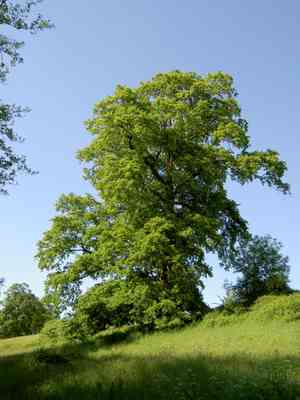
1
Turkey oak flourishes in permeable soils having a pH range of 6.5 to 8.
2
Incorporating organic materials like compost can greatly enhance soil richness and composition for Turkey oak.
3
Consistent mulching around the Turkey oak's base aids in preserving ideal soil moisture and warmth.
Optimal Soil Type for Turkey Oak
Soil Makeup
The best soil for Turkey oak is well-draining and loamy. This soil type enables water to pass through efficiently, preventing root decay and other moisture-related problems. Furthermore, loam offers a balanced medium of sand, silt, and clay, which helps retain nutrients and moisture without becoming waterlogged. Incorporating a soil mix rich in organic material, such as compost or aged manure, can further boost its fertility and structure.
Soil Acidity Level
Maintaining the correct soil pH is vital for the Turkey oak's well-being. This oak variety prefers slightly acidic to neutral soil, with a pH range of 6.5 to 8. This range allows the tree to absorb essential nutrients effectively. Regular pH checks can help you monitor soil conditions and make necessary adjustments. If your soil is too acidic, you might need to add lime to increase the pH, while sulfur can be used to lower it if the soil is too alkaline.
Moisture Control
Although Turkey oak is quite drought-resistant once established, sufficient moisture during its initial growth phases is crucial. The soil should be kept consistently moist but not saturated. Applying mulch around the tree's base helps retain soil moisture, reducing the need for frequent watering. It's also beneficial to water deeply rather than often, encouraging roots to grow deeper and more robust.
How to Prepare Soil for Turkey Oak Planting?
Soil Analysis
Before planting your Turkey oak, it's crucial to test your soil. Soil testing kits are readily available at garden centers or through local cooperative extensions. These tests reveal the soil's pH level, nutrient content, and structure. Based on the results, you can decide on any necessary soil amendments to create the ideal conditions for planting.
Amending Soil
Once you have your soil test results, you may need to modify the soil to better suit the Turkey oak. If the soil lacks essential nutrients, incorporating organic compost, aged manure, or a balanced slow-release fertilizer can boost its fertility. If the soil's pH is not within the 6.5 to 8 range, use lime to raise the pH or sulfur to lower it.
Improving Drainage
Good drainage is essential for Turkey oak to prevent waterlogging and root diseases. If you have heavy clay soil, consider mixing in sand or perlite to improve its draining capacity. Raised beds or mounds can also enhance drainage by allowing excess water to flow away from the tree's roots.
Maintaining Soil Health for Turkey Oak
Organic Mulching
Applying a layer of organic mulch around the base of the Turkey oak helps in retaining soil moisture and regulating temperature. Materials like wood chips, bark, or leaf mold are excellent choices. Mulching also suppresses weeds and gradually decomposes, enriching the soil with organic matter and nutrients.
Nutrient Management
Regularly replenishing the soil's nutrients is crucial for the sustained health of the Turkey oak. Applying a balanced fertilizer according to the package instructions can meet the tree's nutrient needs. Additionally, integrating compost or well-rotted manure annually can provide a steady stream of nutrients while improving the soil's texture and fertility.
Pest and Disease Control
Healthy soil can significantly reduce pest and disease issues. However, regular monitoring for signs of trouble is necessary. Organic options like neem oil or insecticidal soap can control common pests, while proper watering and avoiding overcrowding can prevent fungal diseases. If issues persist, consulting with a local extension office or nursery can provide targeted solutions.
Common Soil Problems for Turkey Oak and Solutions
Soil Compaction
Compacted soil restricts root growth and water penetration. Aerating the soil can alleviate compaction. This can be done using a garden fork or a mechanical aerator to create small holes in the soil, allowing air, water, and nutrients to reach the roots effectively.
Nutrient Deficiency
If the Turkey oak shows signs of nutrient deficiency, such as yellowing leaves, a soil test can confirm which nutrients are lacking. Amending with the appropriate fertilizer or organic matter can correct the imbalance. For instance, adding compost can boost nitrogen levels, while bone meal can increase phosphorus.
Poor Drainage
Poor drainage is a common issue that can lead to root rot. Improving soil structure by adding organic matter like compost or creating raised beds can enhance drainage. Make sure to place the tree in a spot where excess water can easily drain away.



