Boost Growth: How and When to Repot Your Guinea henweed Plant
1
Best Times for Repotting: Guinea henweed flourishes most when transplanted in Spring or Winter.
2
Indicators of a Root-bound Plant: Roots emerging from the pot's bottom holes signal this condition.
3
Preferred Soil Blend: A rich, well-aerated soil mixture supports the root health of Guinea henweed.
Reasons to Replant Guinea Henweed
Understanding the life cycle of Guinea henweed
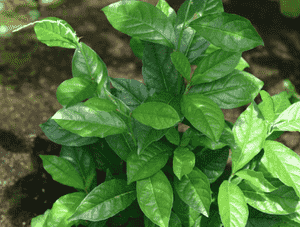
Guinea henweed is a robust and adaptable plant, valued for its medicinal qualities and vibrant green foliage. Grasping its life cycle is crucial for proper care. Typically, its growth accelerates in spring and decelerates in winter, making these periods ideal for replanting. Repotting during these times helps the plant acclimate and promotes vigorous development.
Indicators your Guinea henweed needs a new container
Several clear signs suggest your Guinea henweed might require repotting. A primary indicator is when the plant's roots begin emerging from the drainage holes. Additionally, if the soil dries out rapidly after watering or the plant shows stunted growth, it signals that the roots are root-bound and need more space to spread.
Advantages of repotting for plant vitality
Replanting Guinea henweed offers numerous benefits that enhance its overall health. Fresh potting mix supplies new nutrients that the plant may have depleted in its current container. It also lowers the risk of root rot by ensuring proper drainage and provides room for root expansion, leading to improved water and nutrient uptake.
Choosing the Right Container and Growing Medium
Selecting an appropriate pot: size and material considerations
When choosing a new container for your Guinea henweed, select one that is 2-3 cm (1-1.5 inches) larger in diameter than the current one. This provides ample space for root development without overwhelming the plant. Pots made from materials like terracotta or ceramic are excellent choices as they offer good air circulation and moisture regulation. Ensure the new pot has drainage holes at the bottom to prevent waterlogging.
The optimal soil blend for Guinea henweed
The perfect soil mix for Guinea henweed retains moisture yet drains effectively to prevent water stagnation. A combination of loamy soil, perlite, and organic matter such as compost works best. This blend ensures roots access essential nutrients while allowing excess water to escape, minimizing the risk of root rot.
Importance of drainage for root well-being
Effective drainage is vital for the health of Guinea henweed's roots. Poor drainage can lead to waterlogged soil, which encourages root rot and other fungal infections. To improve drainage, you can add a layer of gravel or small stones at the bottom of the pot before adding the soil mix. This simple step can significantly contribute to maintaining optimal root health.
Steps for Repotting Guinea Henweed
Safely removing your plant from its old container
Start by gently tapping the sides of the old pot to loosen the soil. Carefully turn the pot on its side and support the base of the Guinea henweed as you slide it out. Avoid pulling on the stem to prevent plant damage. If the plant is stuck, you can use a knife to carefully run around the pot's inner edge to free the roots.
Inspecting and trimming roots if necessary
Once you've removed the Guinea henweed from its old pot, examine the roots for any signs of decay or disease. Healthy roots should be white and firm, while rotting roots will appear brown and soft. Trim away any unhealthy roots with clean, sharp scissors. Root pruning encourages new growth and prevents disease spread.
Positioning Guinea henweed in its new container
Add a layer of soil mix to the bottom of the new pot. Place your Guinea henweed in the center of the pot, ensuring it stands upright. The base of the stem should sit about 2-3 cm (1 inch) from the top of the pot to allow for watering. Adjust the soil level at the bottom as needed to achieve the correct placement.
Proper soil placement and firming techniques
Fill the pot with soil mix around the roots, pressing gently to eliminate air pockets. Be careful not to compact the soil too tightly, as this can impede root growth and water drainage. Aim for a firm yet airy consistency that stabilizes the plant while providing adequate room for root expansion.
Post-Repotting Care: Ensuring Successful Transplant
Watering guidelines after repotting
After repotting, water your Guinea henweed thoroughly to help settle the soil around the roots. Allow excess water to drain completely. Moving forward, maintain a consistent watering schedule, keeping the soil consistently moist but not saturated. Monitor the plant closely, especially in the weeks following repotting, to ensure it is adapting well.
Light and temperature requirements
Guinea henweed thrives in bright, indirect sunlight. Avoid placing it in direct sun as this can scorch the leaves. In terms of temperature, this plant prefers a stable environment, ideally between 18-24°C (65-75°F). Protect it from drafts and sudden temperature fluctuations to prevent stress and potential harm.
When to fertilize after repotting
Wait approximately 4-6 weeks after repotting before you begin fertilizing your Guinea henweed. This allows the plant time to recover from transplant shock. Use a balanced, water-soluble fertilizer diluted to half the recommended strength, and apply it every 4-6 weeks during the growing season for optimal results.



