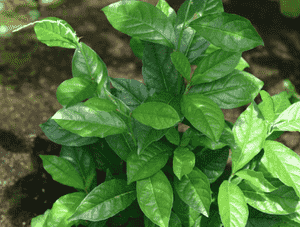
Guinea henweed(Petiveria alliacea)

Guinea henweed (Petiveria alliacea)

Also known as: Strong man's bush, Gully root, Skunk root, Anamu

Guinea hen weed (Petiveria alliacea) is a perennial shrub originating from the Amazon. It produces small greenish flowers and has roots emitting a strong, garlic-like odor that can affect the flavor of milk and meat from grazing animals. This plant is also utilized to repel bats and insects.

Attributes of Guinea henweed

Lifespan
Perennial
Plant Type
Herb, Shrub
Plant Height
1 m
Spread
30 cm
Leaf Color
Yellow
Flower Size
8 mm to 1.3 cm
Flower Color
White

ForwardPlant - Identify plants with a snap

Identify and diagnose plants, get toxicity alerts, and explore safety guides for all types of fungi.

Try for Free

Images of Guinea henweed

Guinea henweed(Petiveria alliacea)

Quickly Identify Guinea henweed

1
Identify by its strong garlic-like odor, lance-shaped leaves, small white flowers arranged in spikes, and red or brown seeds.

Scientific Classification of Guinea henweed

Phylum
Vascular plants
Class
Dicotyledons
Order
Caryophyllales
Family
Pokeweed
Genus
Petiveria
Species
Guinea henweed

Planting and Growing of Guinea henweed

Care Difficulty
Easy
Watering Schedule
Every 2 days
Sunlight Requirements
Partial sun
Sunshine Duration
4-8 hours
Ideal Temperature
68-77℉
Soil Type
Potting Mix, Peat Mix
Soil pH
6.5-7.5
Fertilizer Type
Balanced
Pruning Season
Spring, Summer
Pruning Area
Branches, Leaves
Pruning Frequency
2 times a year
Repotting Season
Spring
Pot Type
Plastic, Terracotta

water icon How to Water Guinea henweed?

Ensure that the soil is moistened to a depth of about 2 inches during each watering. This encourages deep root growth and helps the plant maintain stability and health. The key is to aim for moist, not waterlogged soil, to avoid root rot.
What are the symptoms of an underwatered Guinea henweed?
What should I do if my Guinea henweed is not getting enough water?
What are the symptoms of an overwatered Guinea henweed?
How to save an overwatered Guinea henweed?

sunlight icon What Are the Sunlight Requirements for Guinea henweed?

Sunlight Requirements: Partial sun, Full shade
Duration of light: 2-4 hours a day
Partial shade allows for mottled sunlight or open shade conditions, which are beneficial for Petiveria alliacea as it prevents leaf burn while encouraging healthy growth and foliage density.
What's the best location for Petiveria alliacea indoors?
How can I enhance the lighting conditions for this plant?
Why is maintaining appropriate lighting important for this plant?
More About Sunlight Requirements Techniques

temperature icon What Is the Ideal Temperature Range for Guinea henweed?

Ideal Temperature: 68 ~ 77℉
For the best growth, Petiveria alliacea thrives in temperatures between 68°F and 77°F. Within this range, the plant can achieve optimal photosynthesis, nutrient uptake, and overall vitality. This temperature range closely mimics its native tropical habitat, enabling the plant to produce vibrant foliage and healthy blooms. Consistent exposure to these temperatures reduces the risk of temperature-related stress, ensuring robust growth and resilience against diseases.

soil icon What Soil is Best for Guinea henweed?

Soil type: Loam, Sandy loam
Soil PH: 6.5 ~ 7.5
Petiveria alliacea thrives in well-drained soil, which prevents water from accumulating around its roots, thus reducing the risk of root rot and fungal infections. The plant benefits from a nutrient-rich composition, which provides essential minerals and nutrients. Enriched soil ensures vigorous growth and sustained aromatic qualities. Maintaining moderate moisture retention is crucial, as it helps in ensuring the plant receives adequate hydration without waterlogging, optimizing the uptake of essential nutrients.

fertilize icon How to Fertilize Guinea henweed?

Fertilizer type: Balanced
For Petiveria alliacea, use a balanced fertilizer diluted to half strength for liquid applications. Use about 2 tablespoons of slow-release fertilizer per plant per year. Ensure not to over-fertilize to avoid salt buildup, which can harm roots.

prune icon How to Prune Guinea henweed?

Pruning Time: Spring, Summer, Autumn, Winter
Start by assessing the plant's structure and identifying areas that are overgrown or crowded. Look for damaged, diseased, or dead branches that need to be removed first. Use sharp pruning shears to make clean cuts at a 45-degree angle, just above a node or bud. This encourages new growth and ensures that water runs off the cut surface, rather than pooling. To encourage bushier growth, prune back longer branches by about one-third of their length. This helps the plant maintain a compact shape and maximizes blooming potential. More About Pruning Techniques

propagate icon How to Propagate Guinea henweed plant?

Propagate Time: Early spring,Spring,Summer
1
Use a well-draining soil mix to fill your seed trays or pots. Ensure that the soil is moist but not waterlogged to provide the ideal growing conditions for seeds or cuttings. Mixing in some sand or perlite can enhance drainage and aeration, promoting healthy root development.
2
Plant the seeds about 0.5 inches deep into the prepared soil. Space them evenly to avoid overcrowding, which can lead to poor growth and increased susceptibility to diseases. Cover the seeds lightly with soil and water gently to settle the soil around them.
3
Select healthy, mature stems from the parent plant and make a clean cut using pruning shears. Remove the lower leaves and dip the cut end in rooting hormone to encourage root development. Plant the cuttings about 2 inches deep in the moist, prepared soil and water thoroughly.
More About Propagating Techniques

repot icon How to Repot Guinea henweed plant?

Repotting frequency: Every 1-2 years
1
Repot Petiveria alliacea when you notice the roots circling the pot or emerging from the drainage holes. This indicates that the plant has outgrown its current container and needs more space for optimal growth. The best time to repot is during its active growing seasons, avoiding the dormant winter period.
2
Choose a pot that is one to two inches larger in diameter than the current one. Ensure it has adequate drainage holes to prevent waterlogging, which can harm the roots. Using the right size allows for ample room for growth and reduces the need for frequent repotting.
3
Opt for a well-draining loamy mix, ideally with added perlite or sand. This soil type provides proper aeration and prevents root rot by ensuring that excess water can easily escape, keeping the plant healthy and thriving in its new environment.
More About Repotting Techniques

ForwardPlant - Identify plants with a snap

Find the best spots for them to optimize their health, simply using your phone.

Try for Free

Toxicity of Guinea henweed

Is Guinea henweed toxic to humans?

Guinea henweed is known to have a mild toxicity level for humans, with the entire plant posing a risk of poisoning if ingested. Those who consume portions of guinea henweed may encounter various symptoms that highlight its toxic properties. These symptoms can manifest as gastrointestinal issues, including nausea, vomiting, and diarrhea, as well as possible neurological effects such as headaches or dizziness. The mild nature of guinea henweed's toxicity indicates that while the symptoms can be quite uncomfortable, they are generally not life-threatening. It is crucial for individuals to understand the dangers associated with the accidental consumption of guinea henweed, particularly since any part of the plant can lead to these negative health reactions, even if it is mistakenly thought to be safe for consumption.

Is Guinea henweed toxic to cat?

Guinea henweed is mildly toxic to felines. If a cat inadvertently consumes any portion of this plant, it may display signs of physical distress that indicate poisoning. Given that the entire plant is toxic, it’s essential for cat owners to ensure their pets do not have access to it. In the unfortunate circumstance that a cat ingests guinea henweed, it is critical to seek prompt veterinary assistance to administer the appropriate care.

Is Guinea henweed toxic to dog?

Guinea henweed is recognized for having a mild toxicity level that can affect dogs. If consumed inadvertently, all parts of this plant can be toxic and present a danger to dogs. Symptoms of poisoning might differ, potentially leading to gastrointestinal disturbances, lethargy, or various signs of unease. It is vital for dog owners to keep a close eye on their pets and prevent them from accessing guinea henweed to avert accidental consumption. Should a dog ingest any portion of guinea henweed, it is imperative to obtain prompt veterinary attention to secure the best outcome for the animal.

Identify toxic plants for your safety

Learn which plants are harmful to you and your pets, and make informed choices for a safer home!

Try for Free
WARNING
The judgment on toxicity and danger is for reference only. We DO NOT GUARANTEE any accuracy of such judgment. Therefore, you SHALL NOT rely on such judgment. It is IMPORTANT TO SEEK PROFESSIONAL ADVICE in advance when necessary.
More About Toxic Techniques

