Boost Growth: How and When to Repot Your Peacock plant Plant
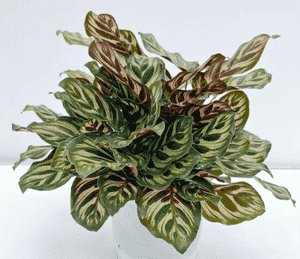
1
Transplanting in the spring or winter months offers ideal conditions for development.
2
Employing a pot that is marginally bigger and has sufficient drainage can avert root decay.
3
Following transplantation, your Peacock plant might exhibit signs of stress, yet it will recuperate with appropriate attention.
Why Replant Your Peacock Plant?
Understand the advantages of transplanting for plant vitality and development
Transplanting your Peacock plant can greatly boost its health and growth. Over time, plants deplete soil nutrients and become root-bound, limiting their expansion. By moving your plant to a new container with fresh substrate, you supply vital nutrients and more space to flourish. This process encourages healthier foliage, more vibrant hues, and overall plant vigor.
Recognize indicators that suggest it's time for a new pot
Several signs indicate your Peacock plant requires repotting. Look for roots emerging from drainage holes, a noticeable slowing of growth, yellowing leaves, or the plant becoming top-heavy and toppling. These are clear signals that your plant is outgrowing its current container and needs more room to thrive.
Selecting the Optimal Time for Repotting
Best seasons for relocating your Peacock plant
The ideal period to repot your Peacock plant is during the spring or winter months. Spring is perfect as it aligns with the plant's natural growth cycle, making it easier for the plant to adjust and thrive in its new setting. Winter can also be suitable, but it's crucial to ensure the plant has sufficient light and warmth to overcome the initial shock of being moved.
Considerations for plant well-being and environmental factors
When planning to repot, ensure your Peacock plant is healthy and free from any diseases or pests. Also, provide a stable environment with consistent humidity and temperature. Avoid repotting if extreme weather conditions are anticipated, as the plant will be more susceptible to stress.
Choosing the Appropriate Container and Substrate
Factors in selecting the correct pot dimensions and material
Choosing the right pot for your Peacock plant is essential. A container 2-5 cm (1-2 inches) larger in diameter than the current one will give the plant space to grow without overwhelming it. Materials like terracotta or ceramic are excellent choices because they are porous and promote good air circulation, thereby preventing root rot. Ensure the pot has adequate drainage holes.
The importance of utilizing the correct soil mixture for Peacock plants
Using the right soil mix can significantly impact your Peacock plant. Aim for a well-draining substrate rich in organic matter. A blend of peat, perlite, and pine bark will provide the correct balance of moisture retention and drainage. This mix supports the plant's root system and prevents waterlogging.
Step-by-Step Guide to Transplanting a Peacock Plant
Preparatory actions before commencing the repotting procedure
Before you begin repotting, gather all necessary supplies. These include a new pot, fresh soil mix, gloves, and a trowel. Water your Peacock plant a day or two before repotting to keep the soil slightly moist, making it easier to remove the plant without damaging its roots.
Detailed instructions for safely extracting your plant from its previous container
To remove the plant, gently tilt the pot and support the plant's base while sliding it out. If the plant is stuck, tap the sides of the pot to loosen the roots. Be careful not to pull too hard, as this can damage the delicate roots.
How to position and settle your Peacock plant into its new abode
Place a layer of fresh soil at the bottom of the new pot and position the plant centrally. Fill in around the sides with more soil, ensuring the plant is at the same depth as it was before. Lightly pack the soil to eliminate air pockets but avoid compacting it too much, which can hinder root growth.
Post-transplanting care recommendations
After repotting, water the plant thoroughly and place it in a location with indirect light. Keep an eye on soil moisture and avoid overwatering. It's normal for the Peacock plant to show signs of stress initially, such as drooping leaves, but with continued proper care, it will recover.
Resolving Common Issues After Repotting
Addressing indications of stress in your Peacock plant
After repotting, your Peacock plant might exhibit signs of stress, such as drooping or discolored leaves. Ensure it receives adequate light and avoid overwatering. Mist the leaves to maintain humidity and consider using a humidity tray. These actions will help the plant recover more quickly.
Advice for managing hydration requirements following repotting
Proper watering is crucial after repotting. Allow the topsoil to dry out slightly between waterings to prevent root rot. Use tepid water to avoid shocking the roots and ensure you are providing good drainage. Overwatering is one of the leading causes of plant stress post-repotting, so be mindful of watering habits.



