Boost Growth: How and When to Repot Your Resin spurge Plant
1
The best periods to repot Resin spurge are in the spring and fall.
2
Select a container that is just a bit bigger than its present one to prevent excessive watering.
3
A soil blend that drains effectively is crucial for your Resin spurge's well-being.
The Importance of Repotting Your Resin Spurge
Understanding the growth patterns of Resin spurge
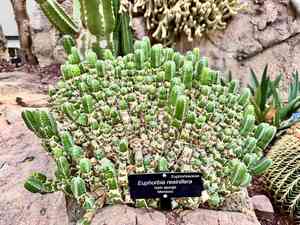
The Resin spurge is a compact succulent known for its unique, cylindrical stem structure and slow, yet steady growth. Like many succulents, Resin spurge tends to grow in tight clusters, gradually filling out its pot over time. Repotting is a necessary step to ensure your plant has enough space to grow and access to fresh soil nutrients.
Identifying signs that it's time to repot
There are several indicators that your Resin spurge may need repotting. If you notice roots growing through the drainage holes or circling around the top layer of soil, it's a clear sign that the plant is root-bound. Another hint might be the slowdown in growth, despite your consistent care routine. Yellowing leaves or a noticeable decrease in soil moisture retention can also signal that it's time for a change.
Choosing the Right Pot and Soil
Selecting the ideal pot size and material for Resin spurge
When choosing a new pot for your Resin spurge, it's best to select one that's just one or two sizes larger than the current pot. This prevents overwatering and helps the plant adapt to its new environment. Opt for pots made of terracotta or ceramic, as these materials are porous and allow for better airflowâessential for succulent health.
The best soil mix for healthy growth
A well-draining soil mix is crucial for Resin spurge. A typical succulent mix, which you can easily find in garden centers, often has the right blend of sand, perlite, and potting soil. This mix helps prevent root rot by draining excess water quickly. You can also create your own mix by combining 50% potting soil with 25% sand and 25% perlite or pumice.
Steps to Repot Resin spurge
Preparing your workspace and gathering tools
Start by preparing a clean workspace and gathering all necessary tools: a new pot, well-draining soil, a small spade, gloves, and a watering can. Lining your workspace with newspaper or an old towel can also help with easy cleanup.
Carefully removing the plant from its old pot
To remove your Resin spurge from its old pot, gently tap the sides of the pot to loosen the soil. If the plant is still stuck, you can use a small spade or spoon to carefully scrape around the edges. Always handle the plant by its base to avoid damaging the stems.
Examining and treating the root ball before repotting
Once you've removed the plant, carefully examine the root ball. Trim away any dead or rotten roots with sterilized scissors. If the roots are circling tightly, gently tease them apart. This encourages new growth and helps the plant establish itself in its new pot.
Placing the plant in its new home and post-repot care
Place a layer of fresh soil at the bottom of the new pot before setting your Resin spurge in place. Fill in the gaps around the plant with more soil, gently pressing it down to eliminate air pockets. Water the plant lightly to help settle the soil, but be cautious not to overwater. Initially, keep the plant in a shaded area to help it acclimate, gradually moving it to a brighter spot.
Tips to Ensure Your Resin spurge Thrives Post-Repotting
Watering techniques and frequency for newly repotted plants
After repotting, allow the soil to dry out slightly before watering again. This helps prevent root rot. A general rule of thumb is to water your Resin spurge every two to three weeks, depending on the environmental conditions. Always ensure that the soil is dry to the touch before the next watering session.
Optimizing light and location for Resin spurge
Resin spurge thrives in bright, indirect light. After repotting, gradually expose the plant to its ideal light conditions to avoid stress. Placing it near a south or east-facing window is often a good choice. Additionally, ensure the environment is well-ventilated to mimic its natural habitat.



