Boost Growth: How and When to Repot Your Bridal creeper Plant
1
Bridal creeper flourishes when transplanted in early spring, promoting vigorous development.
2
Selecting a container with sufficient drainage is vital to avoid root decay in Bridal creeper.
3
Carefully untangling matted roots can aid Bridal creeper in settling more effectively into its new container.
Optimal Time for Repotting Bridal Creeper
Indicators your Bridal creeper requires repotting
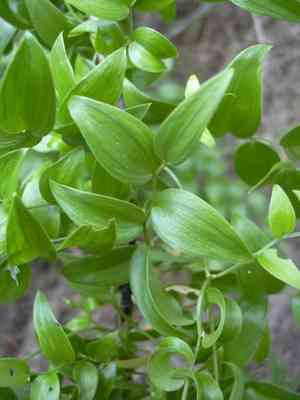
The Bridal creeper (Asparagus asparagoides) is a resilient and decorative climbing plant, often recognized by its abundant, delicate foliage and small, fragrant, white blooms. If your plant appears overgrown, has roots emerging from drainage holes, or its development has halted, it signals a need for more room. Additionally, yellowing leaves or rapidly drying soil suggest the plant might need to be transplanted.
Ideal seasons for transplanting
The best period to transplant your Bridal creeper is during early spring. This timing allows the plant to recover and establish itself in its new container during the active growth phase. Repotting in spring ensures the plant benefits from increased daylight and warmer temperatures, fostering robust growth and vibrant foliage.
Selecting the Appropriate Pot and Substrate for Bridal Creeper
Considerations for choosing a container
When picking a new container for your Bridal creeper, select one that is one to two sizes larger than its current pot. Ensure the pot has sufficient drainage holes to prevent water accumulation, which can lead to root decay. Regarding material, terracotta pots are excellent for better air circulation, but ensure they are glazed to retain moisture more effectively. If you prefer plastic pots, look for those with extra ventilation slots.
Choosing the perfect soil blend
For Bridal creeper, a well-draining soil mixture is crucial for healthy roots. A combination of standard potting soil with added perlite or coarse sand works exceptionally well. This blend offers the right balance between moisture retention and drainage, preventing root diseases. Incorporating organic matter like compost can also enrich the soil, supplying essential nutrients for the plant.
Detailed Guide to Repotting Bridal Creeper
Preparing the new container and growing medium
Begin by cleaning the new pot with warm, soapy water to remove any residues or pathogens. Place a layer of small stones or broken pot pieces at the bottom to improve drainage. Fill the pot about one-third full with your prepared soil mix, creating a base for the plant.
Carefully extracting the plant from its current container
Gently tap the sides of the current pot to loosen the soil. Carefully hold the base of the Bridal creeper and tilt the pot to slide the plant out. If the roots are tightly bound, use a sterilized knife to cut around the edges. Avoid pulling the plant forcefully as this can harm the roots.
Positioning Bridal creeper in its new container
Place the plant in the new pot, ensuring it's at the same soil level as it was previously. Fill around the roots with the soil mix, gently pressing down to eliminate air pockets. Make sure the roots are spread out and not twisted or bundled.
Post-repotting care instructions for the plant
Water the Bridal creeper thoroughly, allowing excess water to drain out. Place the pot in a location with indirect sunlight to allow the plant to adjust to its new environment. Avoid fertilizing immediately; wait for about four to six weeks to give the plant time to settle. Monitor the plant closely for the first few weeks, ensuring itâs not over or underwatered.
Common Difficulties in Repotting Bridal Creeper
Addressing entangled root systems
If your Bridal creeper has severely tangled roots (also known as root-bound), gently loosen them with your fingers. In extreme cases, use a clean, sharp knife to make a few vertical cuts along the root ball. This promotes new root growth and helps the plant establish better in the new pot.
Ensuring successful plant acclimatization
Newly repotted plants may experience some stress. To help Bridal creeper adapt well, avoid placing it in direct sunlight immediately after repotting. Maintain consistent temperature and humidity levels and avoid moving it frequently. Regularly check for signs of stress, such as wilting or yellowing leaves, and adjust care as needed.



