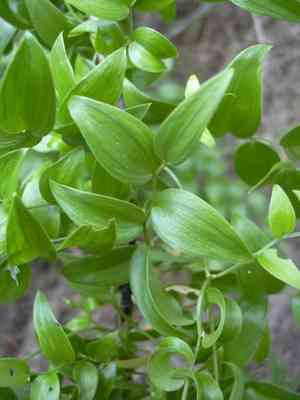
Bridal creeper (Asparagus asparagoides)
Also known as: Smilax, African asparagus fern, Ornamental asparagus
The bridal creeper, known scientifically as Asparagus asparagoides, originates from eastern and southern Africa. This herbaceous climbing plant features shiny green phylloclades instead of true leaves. It is frequently utilized in floral arrangements and bridal bouquets.
Attributes of Bridal creeper
Images of Bridal creeper
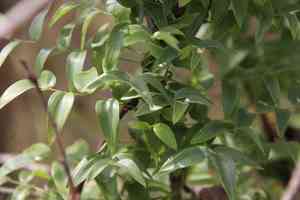
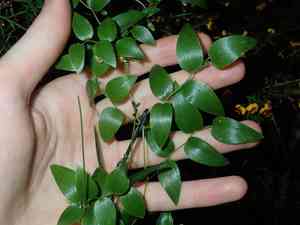
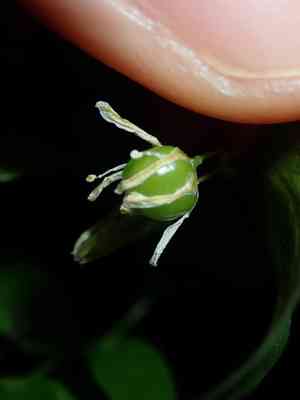
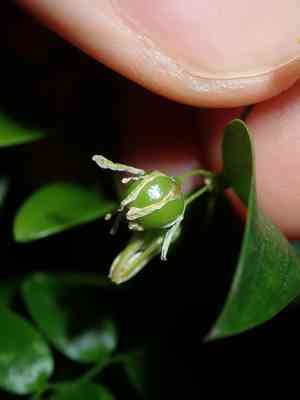
Quickly Identify Bridal creeper
Scientific Classification of Bridal creeper
Planting and Growing of Bridal creeper
 How to Water Bridal creeper?
 What Are the Sunlight Requirements for Bridal creeper?
 What Is the Ideal Temperature Range for Bridal creeper?
 What Soil is Best for Bridal creeper?
 How to Fertilize Bridal creeper?
 How to Prune Bridal creeper?
 How to Propagate Bridal creeper plant?
 How to Repot Bridal creeper plant?
Toxicity of Bridal creeper
Is Bridal creeper toxic to cat?
Bridal creeper is recognized as toxic to felines. Accidental consumption of any portion of this plant can result in poisoning. Cat owners need to be vigilant for indications of physical discomfort or sickness, which may arise if a cat ingests parts of bridal creeper. It is crucial to respond promptly and take any distressed cat to a veterinary facility for care to guarantee their safety and well-being.
Is Bridal creeper toxic to dog?
Bridal creeper is a highly toxic plant species that presents a serious threat to dogs. If dogs consume any part of this plant, they can experience poisoning, as every aspect of bridal creeper is deemed toxic. Accidental ingestion typically occurs when dogs are investigating or frolicking in environments where bridal creeper is present. After consuming bridal creeper, dogs may display a range of symptoms that suggest poisoning. These signs can encompass vomiting, diarrhea, abdominal discomfort, lethargy, and potentially more severe indications, depending on the quantity ingested and the sensitivity of the individual dog. Therefore, it is essential for dog owners to remain vigilant and ensure their pets do not have access to areas where bridal creeper flourishes. Should a dog ingest this plant, it is vital to seek immediate veterinary attention to secure the best possible outcome for the affected canine.



