How to Prune Bridal creeper?
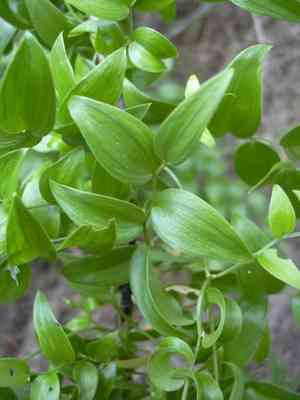
Distinguished by its thick leaves and rapid expansion, bridal creeper frequently necessitates consistent trimming to preserve its form and avert ecological damage. Essential pruning methods involve shortening the abundant tendrils and eliminating floral groupings to curb seed dispersal. The most suitable times for pruning are late winter and early spring, prior to the emergence of new shoots. Pruning aids in managing this intrusive plant, fostering indigenous biological diversity, and lessening its environmental footprint.
What Are the Benefits of Pruning Bridal Creeper?
What Are the Benefits of Pruning Bridal Creeper?
Trimming bridal creeper promotes robust development and maintains its desired form. Consistent cutting reduces excessive growth and fosters a strong structure, resulting in healthier and more attractive plants.
What Is the Best Time for Pruning Bridal Creeper?
What Is the Best Time for Pruning Bridal Creeper?
Pruning bridal creeper in late winter or early spring coincides with its dormant phase, just before new growth begins. This timing minimizes stress on bridal creeper as it's not actively growing, allowing for faster recovery. Furthermore, by trimming before new shoots emerge, gardeners can effectively shape the plant without risking the removal of fresh growth. It also aids in preventing disease spread, as open cuts are less susceptible during cooler, less humid conditions. Pruning at this time also strategically precedes the flowering season, ensuring blooms are not accidentally cut, which is important if the goal is to manage its spread, as bridal creeper can be invasive.
What Tools Do I Need to Prune Bridal Creeper?
Hand Pruners
Perfect for snipping slender stems and can be used to trim bridal creeper's more delicate or thin stems that extend beyond the main plant.
Gloves
Wearing gloves is essential to prevent skin irritation from bridal creeper, which may have irritating sap.
Loppers
Loppers feature long handles, providing the necessary leverage to cut through bridal creeper's thicker stems or to reach into dense areas without harming the plant's structure.
Pruning Saw
For bridal creeper's mature stems that are too thick for hand pruners and loppers, a pruning saw ensures clean cuts without damaging surrounding stems.
Herbicide
After cutting bridal creeper back, applying a herbicide to the cut stems can be effective in preventing regrowth, as mechanical control alone is often insufficient for this resilient species.
Waste Bags
Collecting bridal creeper trimmings is necessary to prevent propagation from dropped pieces. Bagging and properly disposing of them is a vital part of the pruning process.
How to Prune Bridal Creeper
Step1: Sanitize Pruning Tools
Disinfect your pruning shears before beginning. This prevents the transmission of diseases. Use isopropyl alcohol or a bleach solution to wipe the blades.
Step2: Remove Dead Stems
Identify dead stems on bridal creeper by looking for brown, dry, and brittle stems with no green growth. These should be removed first.
Step3: Cleanly Cut Dead Stems
Cut the dead stems at their base where they emerge from the main plant. Use sharp, clean pruning shears to make a clean cut without tearing.
Step4: Identify Diseased Stems
Look for any stems that exhibit signs of disease, which may include unusual spotting, discoloration, or growths. The presence of pests can also indicate disease.
Step5: Prune Diseased Stems to Healthy Tissue
Prune diseased stems by cutting them back to healthy tissue, ensuring the entire affected area is removed. If the whole stem is diseased, remove it at the base.
Step6: Dispose of Diseased Plant Material
Immediately dispose of diseased plant material in a bag. Do not compost as this could spread pathogens.
Step7: Assess Weak Stems
Identify weak stems on bridal creeper which may appear thin, spindly, or are not producing vigorous growth compared to others.
Step8: Prune Weak Stems for Stronger Growth
Trim the weak stems at their point of origin or just above a healthy bud to encourage bridal creeper to redirect energy to stronger, productive growth.
Step9: Clean Up Pruning Debris
After completing pruning, clear all plant debris from the surrounding area to minimize the risk of disease and pests.
Step10: Resanitize Pruning Equipment
Disinfect your pruning tools again after finishing to prevent transferring any possible diseases to other plants or to bridal creeper upon next use.
Step11: Water and Fertilize Post-Pruning
Water the base of bridal creeper if the soil is dry, and apply a balanced fertilizer to help the plant recover from pruning and promote healthy growth.
Post-Pruning Care for Bridal Creeper
Post-Pruning Care for Bridal Creeper
Immediately after pruning bridal creeper, water thoroughly to reduce stress. Ensure bridal creeper receives gentle, indirect light and maintain consistent humidity to aid recovery. Apply a balanced, slow-release fertilizer to support new growth. Keep temperatures stable, avoiding extremes. Regularly inspect bridal creeper for signs of stress, such as wilting or discoloration, and address any infections with appropriate fungicides or insecticides. Monitoring and adjusting care as needed is crucial for bridal creeper's post-pruning health.
Common Pruning Mistakes with Bridal Creeper
Over-pruning: Diminished Vigor and Flowering
Excessive pruning, which can stress bridal creeper, reduce its vitality, and potentially lead to decreased flowering.
Ignoring Lateral Growth: Leads to Sparse Base
Neglecting lateral growth and focusing solely on top growth, causing bridal creeper to become leggy and sparse at the base.
Unassessed Growth Pruning: Unnatural Plant Shape
Pruning without first evaluating the plant's natural shape and growth habit, leading to an unnatural appearance and potential damage.
Using Dull or Dirty Pruning Tools: Risk of Disease
Employing dull or dirty pruning tools that can harm bridal creeper's stems and potentially introduce disease.
Not Removing Dead Material: Risks Plant Health
Failing to remove dead or diseased material, which can impede bridal creeper's health and spread issues throughout the plant.
Common Pruning Tips for Bridal Creeper
Sharp and Clean Pruning Shears for Quick Healing
Use sharp, clean pruning shears to make precise cuts that promote rapid healing.
Prune for Natural Shape and Plant Balance
Prune bridal creeper to maintain its natural shape, targeting overgrown areas and dead or diseased parts while preserving the plant's overall balance.
Thin Out Dense Areas for Health and Light Penetration
Thin out densely packed areas to improve air circulation and light penetration, which is vital for the health of bridal creeper.
Encourage New Growth at Nodes or Branches
Encourage new growth by cutting just above a leaf node or lateral branch, ensuring the continued vibrancy and denseness of bridal creeper.
Regular Inspection for Timely Pruning Needs
Regularly inspect bridal creeper throughout the growing season to identify and address any pruning needs promptly, promoting robust growth and optimal plant health.



