How to Prune Eve's needle?
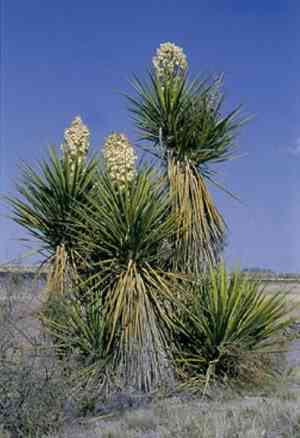
Distinguished by robust stems and stiff, blade-like foliage, eve's needle flourishes in dry climates. Trimming ought to be kept to a minimum, primarily addressing the removal of withered or injured leaves and faded flower spikes. The most suitable period for this activity is during winter, when the plant is inactive. Caution must be exercised to prevent making incisions near the main stem to avert harm. Consistent trimming preserves its look and vitality, fostering renewal and guaranteeing safety by eliminating sharp, lifeless leaves.
What Are the Benefits of Pruning Eve's Needle?
What Are the Benefits of Pruning Eve's Needle?
Trimming eve's needle is essential for eliminating dead or damaged fronds, thereby promoting robust development. It also aids in preserving an attractive shape, preventing the plant from becoming unruly.
What Is the Best Time for Pruning Eve's Needle?
What Is the Best Time for Pruning Eve's Needle?
Pruning eve's needle during the winter season aligns with its dormant phase when growth is minimal. This timing reduces stress and potential harm to the plant, as it is not actively allocating resources to growth and development. Furthermore, any cuts made will have sufficient time to heal before the warmer growing season begins, lessening the risk of disease and pest infestation that could otherwise exploit fresh wounds. Trimming in winter also offers an unobstructed view of the plant's structure without leaves, enabling more precise pruning. Additionally, removing dead or damaged foliage before spring encourages healthier growth and enhances the overall appearance and structure of eve's needle.
What Tools Do I Need to Prune Eve's Needle?
Heavy-Duty Pruning Shears
These shears are necessary for cutting through the tough, fibrous leaves of eve's needle. The blades should be sharp and capable of making clean cuts without harming the plant tissue.
Long-Handled Loppers
For thicker branches that heavy-duty pruning shears cannot manage, long-handled loppers provide the extra leverage required to make clean cuts on eve's needle's woody stems.
Pruning Saw
A pruning saw might be needed for the thickest stems of eve's needle, or when the plant has matured and developed a woody trunk. The saw allows for precision in confined spaces without damaging surrounding growth.
Thick Gloves
Thick, durable gloves protect the gardener's hands from the sharp edges of eve's needle's leaves. It's important for safety when handling and pruning eve's needle.
Eye Protection
When pruning eve's needle, wearing eye protection is crucial to guard against potential eye injuries from the sharp leaves and debris.
How to Prune Eve's Needle
Clean Tools
Sanitize pruning tools with isopropyl alcohol or a bleach solution to prevent the spread of disease to eve's needle.
Inspect Plant
Carefully examine eve's needle for withered leaves, dead, and diseased branches to identify the areas that require trimming.
Remove Withered Leaves
Gently pull off withered leaves from the lower sections of eve's needle or use pruning shears to snip them at the base if they do not detach easily.
Trim Dead Branches
Use sharp, clean pruning shears or a saw to cut dead branches from eve's needle at their point of origin or back to a main stem or trunk, making clean cuts without damaging healthy tissue.
Cut Diseased Branches
Identify and trim away diseased branches from eve's needle, cutting well below the affected area, and dispose of them immediately to prevent contamination.
Common Pruning Mistakes with Eve's Needle
Over Pruning
Removing too much of eve's needle's foliage at once can weaken the plant and impede its ability to recover. Novice gardeners often make this error, believing aggressive pruning will lead to more vigorous growth.
Improper Cutting Technique
Cutting eve's needle's leaves in a jagged pattern or tearing them can create wounds that are susceptible to pests and diseases, instead of clean, diagonal cuts that heal rapidly.
Using Dull Tools
Using dull or unclean pruning tools can damage eve's needle's tissues and create rough cuts that take longer to heal, increasing the risk of infections.
Pruning Healthy Tips
Trimming the healthy, growing tips of eve's needle disrupts its natural growth pattern, as these plants grow from the ends of their leaves and do not regenerate from the cut point.
Ignoring Dead Material
Novice and even some experienced gardeners sometimes neglect to remove the dead or dying leaves, which can lead to the attraction of pests and fungus.
Pruning For Shape Alone
Gardeners may try to shape eve's needle according to aesthetic preferences, forgetting that overly pruning to shape can result in reduced or compromised growth.
Common Pruning Tips for Eve's Needle
Sharp And Clean Tools
Always use sharp, disinfected pruning shears to make clean cuts. This allows eve's needle to heal quickly and helps to prevent the spread of infections.
Selective Pruning
Focus on removing only dead, damaged, or diseased leaves by trimming at the base where the leaf emerges from the trunk. This ensures eve's needle can maintain energy for healthy growth and flowering.
Protect Rosettes
Since eve's needle's new growth occurs at the leaf rosettes, avoid cutting into these areas to ensure ongoing growth and the potential for flowering.
Cut At An Angle
When trimming a leaf, cut it at an angle to allow water to run off the cut surface. This helps to prevent rot and disease.
Light Thinning
Thin out eve's needle's dense foliage if needed, but avoid removing more than one-third of the plant at any one time to prevent stress.
Monitor Plant Health
After pruning, keep an eye on eve's needle for signs of recovery, such as new growth or callusing on cut ends, to ensure it's responding well to the pruning.



