How to Prune Spiny cocklebur?
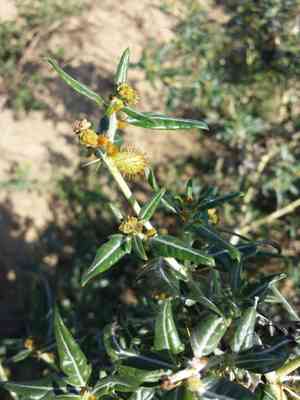
Distinguished by its pointed thorns and burrs, spiny cocklebur is an annual herb necessitating cautious management. To best manage its swift development and proliferation, trim during its active growth periods in spring and summer, and prior to seed formation in autumn to hinder self-propagation. Employ gloves and safety equipment to meticulously eliminate undesirable shoots or stalks. Consistent trimming offers advantages such as diminished plant aggressiveness and preservation of preferred forms, fostering more robust growth and lessening disruption to neighboring vegetation.
What Are the Benefits of Pruning Spiny Cocklebur?
What Are the Benefits of Pruning Spiny Cocklebur?
Trimming spiny cocklebur promotes robust development and maintains its form. Eliminating dead or overgrown branches enhances air circulation, lowering disease risk. Strategic cuts can redirect energy to healthier sections, fostering a strong framework.
What Is the Best Time for Pruning Spiny Cocklebur?
What Is the Best Time for Pruning Spiny Cocklebur?
Pruning spiny cocklebur in Spring is ideal as it coincides with the start of its growth cycle, allowing the plant to recover and channel energy into new, healthy development. It also avoids the danger of winter damage to fresh cuts. In Summer, trimming can be beneficial for removing any diseased or overgrown parts of spiny cocklebur and shaping the plant for improved air circulation, which is crucial for its well-being. Pruning in the Fall is suitable for removing spent flowers and seed heads, preventing unwanted self-seeding and spread of spiny cocklebur. However, late Fall pruning should be avoided to prevent new growth that could be harmed by the approaching cold weather.
What Tools Do I Need to Prune Spiny Cocklebur?
Gloves
When trimming spiny cocklebur, it's crucial to shield one's hands from its prominent spines. Heavy-duty gloves made of leather or other puncture-resistant materials are advised.
Long-sleeved shirt and pants
Given that spiny cocklebur possesses sharp spines, covering one's skin with protective attire, including a long-sleeved shirt and pants, is essential to prevent scratches and irritation during the pruning process.
By-pass pruners
Spiny cocklebur can produce sturdy stems that require a clean and precise cut to ensure healthy regrowth. By-pass pruners, which provide a sharp cut perfect for living stems, are appropriate for this task.
Loppers
For thicker stems or for reaching into denser areas of spiny cocklebur, loppers, which offer greater leverage and reach than by-pass pruners, are an excellent tool to maintain a safe distance from the spines while cutting.
Pruning saw
If spiny cocklebur has developed particularly thick stems or branches, a pruning saw may be necessary to efficiently and cleanly remove these parts.
Herbicide applicator
Spiny cocklebur is often considered a weed, and minimizing regrowth might be necessary. In some cases, using an herbicide applicator to target the cut stems can help manage its spread.
How to Prune Spiny Cocklebur
Cleaning Tools
Before beginning, ensure all pruning tools are clean and sharp to prevent disease transmission and to make precise cuts.
Plant Inspection
Carefully examine spiny cocklebur to locate withered leaves that need removal. These can be identified by their dry, brown appearance.
Precise Cutting
Using a pair of secateurs, make a precise cut to remove the withered leaf, cutting at the base of the stem, just above its connection to the main plant.
Disposal
Dispose of the removed leaves properly to prevent any potential spread of disease or unwanted reseeding, as spiny cocklebur can be an invasive species.
Monitoring
After pruning, monitor spiny cocklebur for any signs of stress or further wilting, which could indicate additional care or pruning is needed.
Common Pruning Mistakes with Spiny Cocklebur
Overpruning
Removing too much foliage at once can stress spiny cocklebur plants, leading to poor health and potentially killing the plant.
Tool Bluntness
Using dull or unclean pruning tools can damage spiny cocklebur stems and create jagged cuts that are more susceptible to pathogens.
Improper Cut Location
Cutting too far from the node can result in unsightly stubs, whereas cutting too close can damage the node's growth potential.
Neglecting Health Check
Failing to check for and remove diseased or pest-infested parts of spiny cocklebur can spread issues throughout the plant.
Ignoring Plant Form
Not considering the natural growth habit of spiny cocklebur can lead to an unnatural appearance and possibly harm the plant's structure.
Common Pruning Tips for Spiny Cocklebur
Sharp Clean Tools
Ensure pruning tools are sharp and disinfected to make clean cuts that heal quickly and reduce the risk of disease in spiny cocklebur.
Health Removal
Remove any dead, diseased, or damaged stems to help maintain the overall health and appearance of spiny cocklebur.
Aesthetic Shaping
Prune spiny cocklebur selectively to maintain its natural form while controlling its size and preventing overgrowth.
Node Pruning
Make cuts just above leaf nodes to encourage healthier and more compact growth in spiny cocklebur.
Protective Gear
Wear gloves and protective clothing to prevent injuries from spiny cocklebur's spiny burs and stems during pruning.



