How to Propagate Spiny cocklebur?
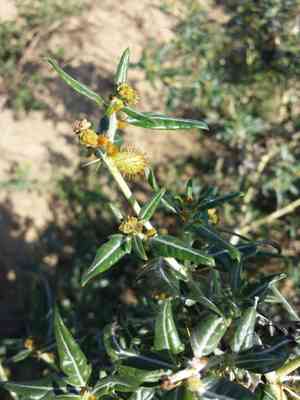
This invasive variety spreads via seeds readily carried by wildlife, water currents, and human actions. For successful growth, cultivators ought to plant seeds directly into tilled ground where Xanthium spinosum is intended to flourish. A comprehensive grasp of soil dampness is essential, as seeds need steady moisture for proper sprouting. After taking root, Xanthium spinosum demonstrates considerable hardiness; nevertheless, controlling its dissemination is critical to avert an infestation. Focus must be placed on restricting and eliminating unwanted young plants.
When Is the Best Time to Propagate Spiny Cocklebur?
Propagation Method
Seeding
Propagation Period
Spring
What Equipment Is Used in Spiny Cocklebur Propagation?
Seed trays or pots
Seed trays or pots are vital for initiating spiny cocklebur from seeds. They offer a controlled setting for delicate seedlings. Individual compartments aid in efficient space management and prevent root entanglement, crucial for spiny cocklebur's robust root system. These containers must have adequate drainage to prevent overwatering, which can cause root rot or fungal diseases in young plants.
Soil mix
A well-draining soil blend is essential for spiny cocklebur to ensure healthy seed germination and growth. A mixture of peat, perlite, and vermiculite is ideal as it retains sufficient moisture while allowing excess water to drain quickly. This balance is critical for preventing damping off, a common problem in seed propagation that can affect spiny cocklebur.
Misting bottle
A misting bottle is crucial for gently hydrating spiny cocklebur seedlings. It allows for water application without disturbing the soil or dislodging small seeds. Regular misting helps maintain consistent soil moisture, encouraging germination without the risk of washing away seeds.
Heat mat
A heat mat can be a beneficial tool for propagating spiny cocklebur, especially in cooler climates. Spiny cocklebur seeds require warmth for optimal germination, and a heat mat ensures the soil maintains a consistent temperature. This steady warmth accelerates germination and promotes healthy, early growth stages.
Labels and markers
Labels and markers are important for tracking different growth stages and specific care instructions for spiny cocklebur. Since propagation involves multiple specimens, identifying each developmental stage and specific needs is crucial for systematic care and monitoring.
Transparent cover or Mini greenhouse
Using a transparent cover, such as a plastic dome or a mini greenhouse, over seed trays can significantly benefit spiny cocklebur by maintaining high humidity and stable temperatures. This environment mimics the natural humid conditions favorable for spiny cocklebur, enhancing germination rates and initial growth by preventing moisture loss and protecting young seedlings from environmental stress.
How to Propagate Spiny Cocklebur?
Propagation Difficulty
Simple
How to Care for Your Newly Propagated Spiny Cocklebur?
How to Care for Your Newly Propagated Spiny Cocklebur?
After propagation, ensure spiny cocklebur receives ample sunlight and maintain moderate watering to prevent waterlogging, which can lead to root diseases. Regularly check for and control any weed growth. Spiny cocklebur is resilient and tolerates poor soil conditions but benefits from occasional fertilization with a balanced, all-purpose fertilizer to support vigorous growth.
Common Errors to Avoid When Propagating Spiny Cocklebur
Overwatering
During spiny cocklebur propagation, excessive watering is a common mistake. This can lead to waterlogged conditions, which are harmful as they promote root rot and fungal infections, thereby hindering the plant's development and health.
Ignoring Seed Dormancy
Gardeners often overlook spiny cocklebur's seed dormancy, resulting in unsuccessful germination. This natural dormancy must be broken for successful sprouting; failing to do so leads to low germination rates.
Improper Soil Composition
Using an unsuitable soil mix can be problematic for spiny cocklebur propagation. Soil that is too dense or nutrient-poor can inhibit root growth and drainage, affecting plant health and survival.
Tips For Propagating Spiny Cocklebur
Appropriate Watering
Ensure moderate watering for spiny cocklebur during propagation. The soil should be kept moist but not waterlogged to prevent issues associated with overwatering.
Breaking Seed Dormancy
To effectively break spiny cocklebur seed dormancy, stratification or mechanical scarification may be necessary. This promotes higher germination rates by mimicking natural environmental conditions that seeds need to break dormancy.
Optimal Soil Condition
Use a well-draining soil mix enriched with organic matter for propagating spiny cocklebur. This encourages healthy root development and provides adequate nutrients and aeration crucial for the young plants' growth.



